
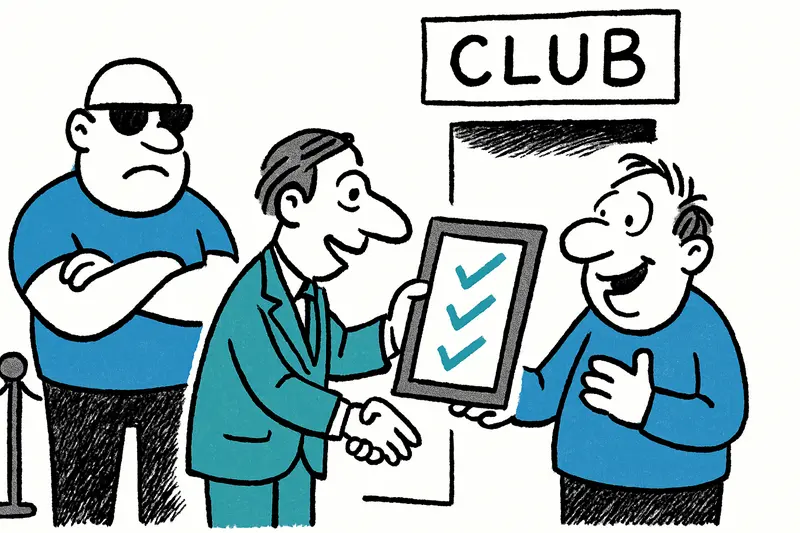
BCM receives Triple-Excellence — a step, not the goal
The Triple-Excellence certification for BCM in Magaluf is a positive signal. But is a seal enough to truly change nightlife, residents' lives and seasonal tourism?
BCM in Magaluf: Triple-Excellence — signal or show?
On a mild August evening, when the warm sea breeze still carried salt and sangria along the promenade and taxi horns on the Passeig sounded like a faint night song, the news arrived: BCM has been awarded the international Triple-Excellence certification. For guests it was a nod, another point on the playlist; for staff and operators a small victory after months of hard work behind the scenes.
The question that remains
The central question is: does such a seal sustainably change Mallorca's nightlife — or is it just a PR point on a flyer? The certification assesses safety, acoustic quality and service standards; similar processes have been applied in other sectors, for example Llucmajor Remains ISO-Certified — But Is the Certificate Enough for the Sea?. On paper that sounds concrete: emergency plans, defibrillators, trained bouncers, noise protection measures, but also accessibility, fair working conditions and equality. That sounds good — but the devil is often in the details.
What is missing from the public debate
First: who monitors compliance? A certificate is only as strong as the monitoring that follows. In an island town like Magaluf, where nights are short and regulations seem long during the high season, regular audits are needed — not just a one-off inspection. Second: the cost issue. Large clubs like BCM can invest in technology and staff — a debate mirrored by the coverage of MegaPark: Triple Certification – More Appearance than Reality or Real Progress for Playa de Palma? — while smaller bars on the Calle, run by families and barely open in winter, face financial hurdles. If the certificate becomes the de-facto standard, a two-tier nightlife could emerge.
Concrete opportunities — if they are used
BCM's decision offers opportunities that go beyond a PR statement: a visible example can encourage other organizers to raise standards. If municipalities, hoteliers and industry associations cooperate now, more can be achieved than with isolated actions, as debates over hospitality standards such as the Quality Seal for Holiday Apartments — Solution or Fair-Weather Politics? have shown. Possible measures include shared training centers for safety and de-escalation, subsidized sound measurements for small businesses and an island-wide network of contacts for accessibility.
What would need to happen in practice
A few proposals that are often missing from the discussion but are pragmatic: first, regular unannounced follow-up inspections by an independent body — continuity prevents complacency. Second, financial incentives: grants or low-interest loans for noise protection and first-aid equipment, so not only the top brands benefit. Third, a transparency portal: public reports on incidents, audit results and measures would build trust — among guests and residents.
The human dimension
I spoke with bar staff and DJs in Magaluf. The bartender at the beach bar base told me about role-play exercises in training that defuse stressful moments; the young DJ welcomed regulated volume levels because he can play longer without worrying about his hearing. Such voices show that when certificates are not just bureaucratic hurdles but provide practical support, everyone benefits — guests, staff and neighbors.
A step among many — and the role of politics
Triple-Excellence is not a panacea. Its value depends on politics, controls and a balance between economic interests and quality of life. On Mallorca we now need clear rules for season planning: night buses, safe taxi hubs, noise monitoring stations at critical points and coordinated inspections by municipalities. All of this costs money, but investment in safe nights pays off in the long run — in trust, in tourism quality and in fewer conflicts with residents.
Conclusion: The award for BCM is a positive signal, but not an endpoint. Those who walk through Magaluf at night hear more than basslines; they also hear opportunities: helpers in yellow vests, signs for first aid, small stations with earplugs. These are visible signs that standards are being lived. If the industry and politics follow up now, Mallorca could turn the certificate into a real change — ideally quieter, safer and fairer.
Frequently asked questions
What does a Triple-Excellence certification mean for a nightclub in Mallorca?
Is BCM in Magaluf now considered safer because of the certification?
Does a nightclub certification in Mallorca really improve residents’ quality of life?
Why is regular monitoring important after a club gets certified in Mallorca?
Can small bars in Mallorca afford the same standards as big clubs like BCM?
Is Magaluf changing its nightlife standards, or is this just a PR move?
What measures could make Mallorca nightlife safer for guests and staff?
What should visitors expect from a night out in Magaluf now?
Similar News
After Being Admitted to Hospital Again: Heinz Hoenig and the Questions We Should Ask in Mallorca
Long-time Mallorca resident Heinz Hoenig was admitted to hospital again. A clear “what next?” is missing from the covera...
Yellow Alert: Is Mallorca Prepared for the Next Rain Band?
Aemet has issued a yellow alert for the south, southwest and the island's interior. Thunderstorms and heavy rain are for...
Kegel brothers trial postponed: Why Mallorca must wait for a verdict
The trial of 13 German holidaymakers will not begin until May 2028. The long wait raises questions — for victims, defend...

Chaos on Palma's Runway: Why the Summer at the Airport Was So Disrupted
This summer laid bare where Palma airport is faltering: only just over half of departures were on time and seven percent...

Cocaine Offer on Ham Street: Why the Open Trade Should Ring Alarm Bells
In the middle of Pare Bartomeu Salvà a tourist was offered a packet of cocaine as part of a sunglasses deal. A short int...
More to explore
Discover more interesting content

Can Cap de Bou

Townhouse Lleo 72
