
The Belén de la Sang is back: Palma's historic nativity scene on display again
The Belén de la Sang is back: Palma's historic nativity scene on display again
After more than ten years, the famous nativity scene in the La Sang chapel is open to visitors again. Restored figures, a gilded cave and an old legend turn the visit into a small time travel through Palma's Christmas season.
The Belén de la Sang is back: Palma's historic nativity scene on display again
A piece of home you can touch
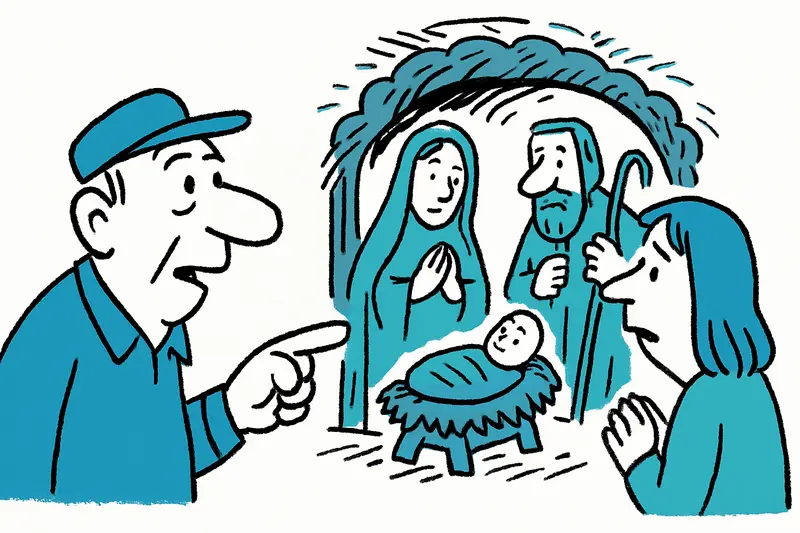
Anyone strolling across the Plaza del Hospital these days not only hears the jingle of bells from the Rambla, but also sees people peering into the small La Sang chapel with eager curiosity. The famous Christmas nativity scene, which had long been hidden behind tarps and question marks, is accessible to the public again after extensive conservation work.
The display is not just for show: the ensemble that has played a role in Palma's Christmas traditions for generations was carefully restored piece by piece. At the center is the baroque cave with its painted and gilded ceiling and the key figures: the 19th-century infant Jesus, five baroque angels and especially Mary and Joseph. The latter two, according to art-historical assessment, date from the 15th century, are carved from a single trunk and, with imposing heights of about 1.20 and 1.40 meters, have a powerful presence.
The Belén de la Sang is said to be the oldest still-used Neapolitan nativity scene in Europe. This attribution gives the reunion special luster: more than a work of art, it is a piece of collective memory—and that memory, after many years of uncertainty, can now be seen again.
The restoration was not only fine work on paint and gilding. Technically, interventions were made in the chapel: an old concrete plinth that impeded air circulation was removed, the lighting was rethought, and the conservation treatments brought the original gold leaf back into view. The Holy Spirit received a new coat of paint, the gilded cloaks shine fresher, and skin tones were gently retouched — the result looks neither artificial nor overpolished, but rather like a familiar view warmed up.
There is a sailors' legend from the 16th century surrounding the history of the figures: a ship laden with precious nativity pieces ran into a severe storm, and the captain Domingo Gangonne vowed to leave some of his cargo to the Order of Nuestra Señora de los Ángeles de Jesús if he and his crew were saved. The prior chose the depiction of the birth of Christ—and that decision, so the story goes, remained as a sign in the harbor until the nativity stayed at the Convent Jesús and later moved to the La Sang chapel.
The political and organizational path to reopening was no stroll. Various governments and budget decisions delayed an earlier opening. After a change of government in 2023, the project was finally pursued with determination. The restoration costs about 400,000 euros and was planned in stages: first the most important, most visibly damaged pieces; other figures, still packaged, will follow.
On December 10 the first restored figures were shown to the public for the first time, an event covered by Historic Nativity Returns to Palma: Restored Figures on Display Today. Visitors queued, many with gloves in their pockets and children pointing at the large figures. The street smelled of roasted chestnuts and turrón, occasional laughter could be heard and the click of camera shutters here and there — such small everyday impressions are once again part of this place and are also described in Palma in Its Christmas Dress: Lights, Sound and Little Winter Wonders.
The La Sang chapel sits slightly above the Rambla and is open daily until Tuesday, January 6. After that the ensemble will be protected again so conservators can complete the remaining work on the other figures. For many that means: hurry while the complete nativity scene is still on display.
For Palma, the return of the Belén de la Sang means more than a winter photo opportunity. It is an invitation to locals and visitors to delight in details: gold leaf that sparkles in candlelight; carved hands that still suggest stories after centuries; a legend that links the sea and the island. For those who look closely, it is possible to feel how such things create identity—and how good that feels when the market pavement crunches outside and an old man adjusts his scarf in front of the chapel.
The nativity is a small reason for hope in a city that often has to renegotiate its heritage between modernity and tourist demand. It is also a practical example of how money, expertise and a bit of patience can repair a piece of everyday life. And who knows: perhaps the return of the Belén de la Sang will inspire new projects in the coming years to uncover other hidden treasures on the island.
Practical: La Sang Chapel, Plaza del Hospital (above the Rambla, Palma). Open daily until January 6. After that the rest of the ensemble will continue to be restored.
Frequently asked questions
What is the Belén de la Sang in Palma?
Can you visit the Belén de la Sang in Palma during Christmas?
Where is the La Sang chapel in Palma?
Why is the Belén de la Sang so important in Mallorca?
What was restored in Palma’s Belén de la Sang?
Is the Belén de la Sang considered old in European terms?
What is the legend behind Palma’s Belén de la Sang figures?
Should you go early to see the Belén de la Sang in Palma?
Similar News

The Painter Who Invented Himself: How a Young Viennese Drew Mallorca
A hundred years ago a 19-year-old draftsman arrived in El Terreno. His diary and sheets, long known under the pseudonym ...

Released with Conditions: The Plus Ultra Suspicion and a Mallorcan Finca as Residence
A Dutch entrepreneur, sought in connection with the Plus Ultra case, was extradited to Spain after his arrest in Germany...

Haute Nuit in Puerto Portals: Fashion, Art and Indulgence by the Water
On October 2 the Lobster Club in Puerto Portals will be transformed into a stage for curated fashion, art and culinary e...

Magaluf: Watchtower Alarm – Lifeguards Pull Unconscious Beachgoer from the Water
After a drama in the late afternoon, two lifeguards at Magaluf beach rescued an unconscious 44-year-old man. He was stab...
Turquoise in the City: How dangerous is the color play of the Sa Riera?
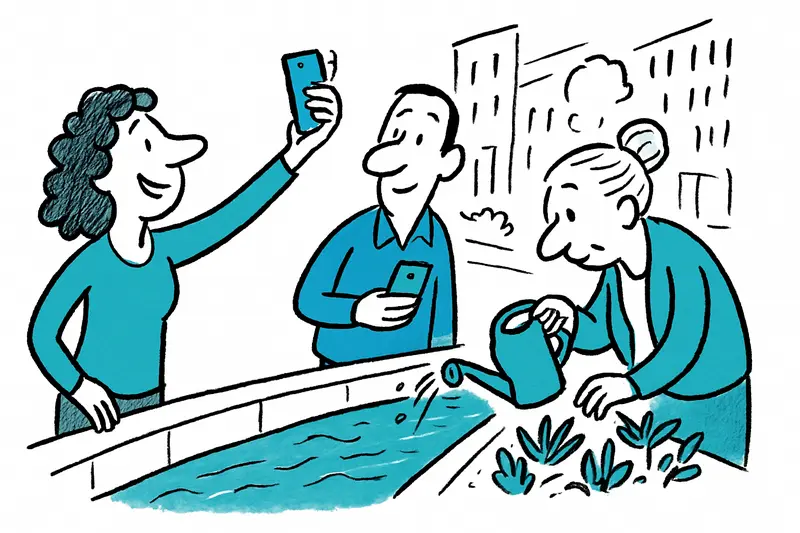
The Sa Riera in Palma suddenly turned turquoise — a pretty motif, but behind the effect lies a discharge of saline waste...
More to explore
Discover more interesting content

Can Cap de Bou

Townhouse Lleo 72
