
Unpaid Bill, Rental Car Gone: A Mallorca Case Between Hotel Bar and Harbor
Unpaid Bill, Rental Car Gone: A Mallorca Case Between Hotel Bar and Harbor
A German guest is said to have not paid a hotel bill of more than €6,000 in Mallorca and simultaneously failed to return a rented Audi. The trail led by ferry to Barcelona, where he was arrested. Key question: How could this happen — and what should hoteliers, rental companies and authorities do differently?
Unpaid Bill, Rental Car Gone: A Mallorca Case Between Hotel Bar and Harbor
Key question: How can an expensive stay on the island end with a crossing to Barcelona — and what can we learn?
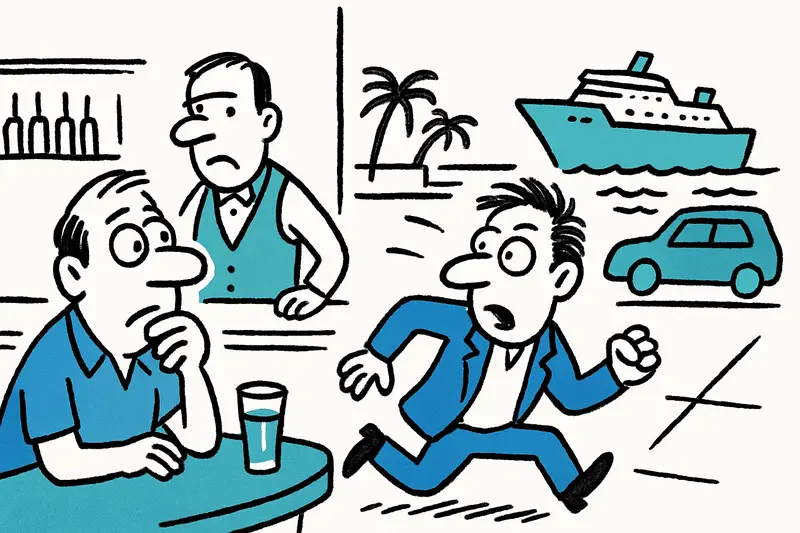
At the end of February, in a hotel in central Palma, passersby hear the clatter of street sweepers, palm leaves rustle in the wind: A guest extends his stay, orders at the bar, uses the minibar. When reception requests payment, the man shows a screenshot of a supposed bank transfer. Such incidents are not unprecedented; see One and a half months without paying: How a tourist stiffed the hotel chain for 19,000 euros — and what's missing now. At first glance believable, a closer look shows digits missing from the account number. Shortly thereafter the guest is gone — and apparently with him a rented Audi worth around €40,000. The trail led by ferry from the north of the island to Barcelona; there the police waited at the harbor and arrested the alleged offender upon arrival. A similar escape involving a stolen rental car was reported in Playa de Palma; see After Cash Robbery in Playa de Palma: What the Risky Escape in a Stolen Rental BMW Reveals About Mallorca's Security Gaps.
The facts are clear enough to raise alarm bells: a hotel bill of more than €6,000, a complaint filed by the hotelier, a separate complaint by the car rental company for embezzlement, investigations by the financial crimes unit of the Policía Nacional and the arrest in the harbor when the ship arrived. What is missing from the reports is the everyday perspective: How do hoteliers and rental companies actually work in practice, which routines create such vulnerabilities, and where are the gaps in authorities' procedures?
Critical analysis: At first glance this looks like a classic opportunistic offense combined with modern deception techniques. Presenting a "transfer screenshot" is an easy trick today because many people do not check digital confirmations closely. Hotels that allow guests to extend at short notice are under time pressure; rental companies often rely on ID copies and paper contracts. The result: lack of timely payment verification and insufficient diligence during vehicle returns create loopholes.
Missing from public discourse are three points. First: routine verification of digital transactions. A screenshot says nothing about whether a payment was actually executed. Second: the chain of responsibility between the hotel and the car rental company — who reports suspicious cases and within what timeframe? Third: the role of harbor surveillance in identifying fleeing individuals. Businesses and authorities communicate, but procedures are often not binding enough to prevent suspects from leaving the island.
An everyday scene from Palma: On the Passeig Marítim early in the morning ferries blast their horns, fishing boats roll, a delivery worker pushes crates over wet asphalt. Hoteliers, taxi drivers and doormen know these stories, they swap them over coffee — and advise caution. A receptionist changing shifts points to an empty camera corner at the back entrance and says: "We need simple rules, not just more fear." This everyday voice is often missing from official reports.
Concrete approaches: First, binding practices for payment confirmation: Hotels should require a confirming payment reference from the bank for transfers — especially for large sums — or insist on immediate pre-authorization of a card. Second, automated alert levels in hotel management for extensions and high consumption: Beyond a certain bill amount, a stay should not be extended without formal payment verification. Third, rental companies should implement stricter deposit and identity procedures; digital holds on the registered card can make taking a vehicle more difficult. Issues with missing deposits have been highlighted elsewhere, for example Suddenly Without a Finca — Payments Missing: Who Is Liable, Who Pays?. Fourth, better interfaces between businesses and the police: reporting channels with clear time windows (e.g., immediate reporting upon suspicion, automatic notification to harbor authorities) help prevent escapes by sea.
Low-cost practical measures: Training reception teams to recognize forged payment receipts; simple checklists for pick-up and return procedures at rental companies; visually comparing all paper documents with the ID and a photo; established routines for dealing with outstanding claims, including contacting the police before a guest leaves the premises.
Are there legal pitfalls? Of course. Suspicion must not lead to blanket pre-judgment. Complaints must be substantiated so that investigations are well-founded. Nevertheless: Prevention is not about suspicion, but about clear processes that increase legal certainty for businesses and guests.
Punchy conclusion: The case shows how quickly a reception ledger and a smartphone screenshot can turn into an incident with international dimensions. Someone leaving the island does not only board a ferry — they pass through a series of administrative and security filters. Instead of only reporting spectacular arrests, we should talk about how hotels and rental companies can design their procedures so that petty criminal acts are prevented in the first place. That protects honest guests, honest entrepreneurs and spares the nerves of those who stand at the harbor in the morning and hear the screech of the loading ramp while officers ask: "Have you paid everything?"
Frequently asked questions
How can hotels in Mallorca check if a bank transfer was actually made?
What should hotels in Palma do if a guest keeps extending their stay without paying?
What happens if someone leaves Mallorca in a rental car without returning it properly?
How do police catch suspects who try to leave Mallorca by ferry?
What payment checks should Mallorca hotels use for expensive stays?
How can rental companies in Mallorca reduce the risk of car fraud?
Is it safe to trust a payment screenshot in Mallorca hotels or rentals?
What can travelers in Mallorca do to avoid payment problems with hotels and car rentals?
Similar News
High heel slips, car accelerates: accident on Camí de Son Hugo
A woman lost a high-heeled shoe on the forecourt of the sports facility at Camí de Son Hugo. The car accelerated, mounte...

Phone Scam: How Two Hotel Employees at Playa de Palma Lost Thousands of Euros
One morning in September, two reception employees at Playa de Palma were pressured by alleged alarm-company staff — in t...

When the Wallet Becomes a Danger: Attack in Peguera and Lessons for Mallorca
In Peguera, two women are said to have stolen the wallet from a 75-year-old German couple. When the victim intervened, t...
Plata stays Plata: Young people take over, Llonguets remain
A small bar on Carrer de l'Argenteria will continue: Tolo Serra hands the place over to young Mallorcans at the end of t...

Unnoticed in the Luggage Compartment: How a Boy Traveled More Than 100 Kilometers in a Team Bus
A minor traveled in the undercarriage of a team bus for more than 100 kilometers until his cries for help were heard. A ...
More to explore
Discover more interesting content

Can Cap de Bou

Townhouse Lleo 72
