
Biting Fish in Cala Major: A Reality Check for Bathers and Authorities
Biting Fish in Cala Major: A Reality Check for Bathers and Authorities
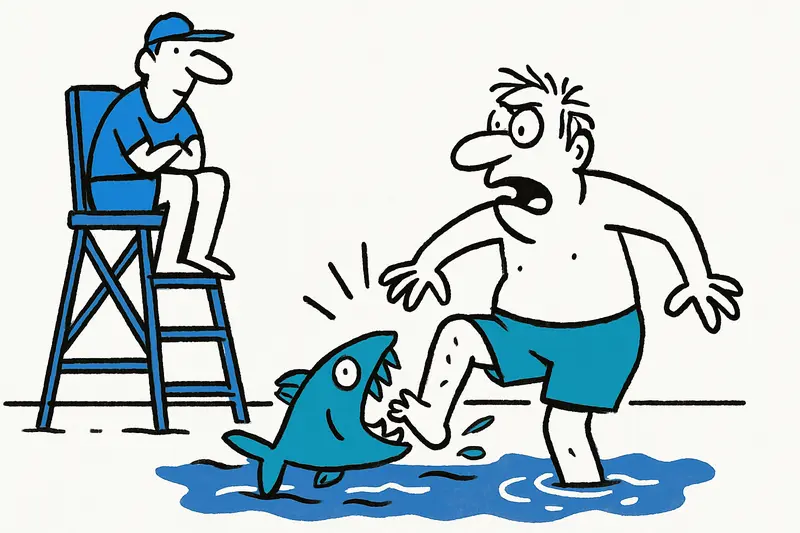
A holidaymaker was nibbled in knee-deep water at Playa Cala Major. How big is the actual risk — and what is often left unsaid? A critical look with concrete proposed solutions.
Biting Fish in Cala Major: A Reality Check for Bathers and Authorities
Key question: How dangerous are the 'nipping' fish really - and what needs to happen to make the beach safer?
The scene is familiar to everyone: in the morning you stroll along the promenade of Cala Major, a delivery bicycle scrapes the curbstones on the Passeig, a motorcycle leaves a bar, seagulls screech, children build sandcastles, and people splash in the water up to their calves. It was precisely there that a German holidaymaker was recently nibbled by fish. Not a serious injury, more likely a short pain — yet such an incident causes unease. That is why a sober look is worthwhile.
Critical analysis: These are not sharks or exotic predators (not to be confused with incidents such as Dead Shark at Playa Can Pere Antoni: Bite Marks Raise Questions), but small, grasping marine creatures that occur in shoreline zones where people frequently feed them or food waste gets into the water. These animals have strong teeth, are curious, and quickly learn that where people are, there is often food. That makes them bold — they 'nibble' when feet or small open wounds are available. For healthy adults this usually ends with a brief pain, sometimes light bleeding. It becomes problematic when open wounds, infection risks, or panic come into play.
What is missing in public discourse: two things. First, many talk about isolated cases as sensational — whereas the real issue is the cause: feeding and waste management. Second, there is a lack of clear, visible information for beachgoers directly at the beach: which fish species occur? When is increased caution advisable (shallow, calm water, early morning and evening)? Often visitors only see a warning on social media, not factual notices at the Playa itself.
Everyday scene from Mallorca: On the Cala Major jetty I often observe older locals in the morning with pieces of bread in plastic bags, attracting fish — out of habit, not malice. The lifeguards sit in their huts, beach vendors carry cool boxes past. The mix matters: people, dogs, picnic leftovers. That draws fish into the shallow bays. This ties into wider local issues, including complaints over beach management as reported in Cala Major: Between Premium Sunbeds and Regulatory Chaos – Who Owns the Beach?. It is not an exotic threat, but a local habit problem.
Concrete solutions: First: information signs in several languages at the entrances to the beach — simple, clear, with notices like 'Please do not feed', 'Avoid the beach with open wounds' and a short illustration of how these fish look. Second: training for lifeguards to recognize and provide first aid for such bite injuries and a clear reporting route to the municipality (Ajuntament). Third: controls against feeding — not as harassment, but as prevention; small fines combined with informational brochures in hotels and for landlords. Fourth: more trash bins and more frequent emptying at popular beach sections so that no food waste enters the water. Fifth: a simple reporting point (phone number or WhatsApp channel) for repeated incidents so the animals' behavior can be monitored locally.
More technical options to be examined: scientific surveys by marine biologists from the university or local environmental services to clarify which species are particularly present in which bays and whether seasonal patterns are detectable. This helps plan targeted measures — for example temporary signs during particularly affected weeks.
In conclusion: panic is exaggerated, ignorance is harmful. The incidents are mostly harmless but avoidable. A bit more order on the sand, clearer information for visitors and a binding reporting and training plan for beach staff would help a lot. Those who bathe in Cala Major should continue to do so — but please keep an eye on your calves and avoid bread crumbs in the water. For the municipality: act before small incidents turn into a larger image problem, as coverage such as Cala Blava: A Day at the Beach Ends in Death — Who Must Act? shows.
Frequently asked questions
When is the best time to visit Mallorca for warm weather and swimming?
What should I pack for a beach holiday in Mallorca?
Is Mallorca warm enough to swim in the sea in spring?
Are Mallorca beaches suitable for families with children?
What is Cala Pi like for a day at the beach in Mallorca?
Is Calvià a good area to stay in Mallorca for beach holidays?
What should I know before visiting Port de Sóller for the beach?
How do I choose between a sandy beach and a cove in Mallorca?
Similar News

Cafetería San Siro: A Meeting Place on Schinken Street Since 1966
In the middle of Schinken Street, Cafetería San Siro has been offering Mallorcan hospitality for more than six decades —...

From Ballermann to Prison: What the Verdict Against the Femina Operator Means for Palma
The Munich Regional Court convicted a German operator for subsidy fraud. What does the verdict mean for the Femina Club,...
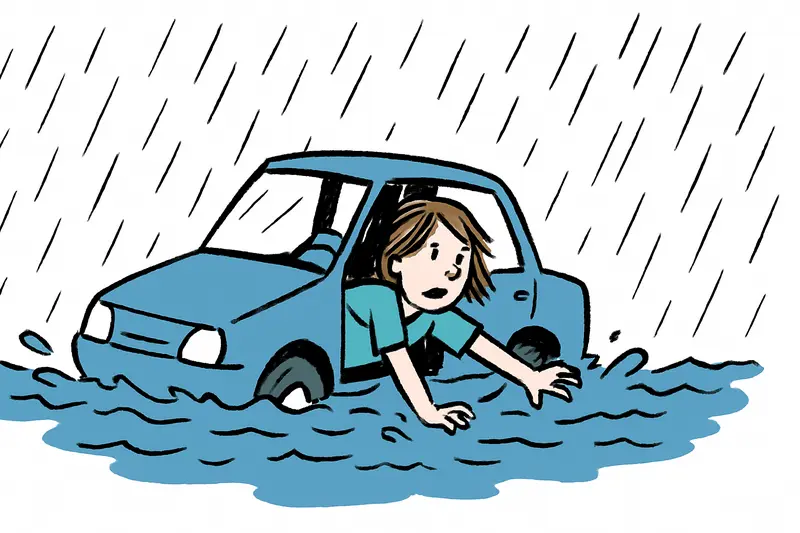
Underpass Verge de Lluc: 19-year-old fights her way out of flooded car – a warning sign for Palma
A 19-year-old recently escaped swimming from her car after the Verge de Lluc underpass held up to one and a half meters ...

When the Floodgates Open Again: Why Palma's Floods Aren't a Coincidence
A sudden heavy downpour around 5 p.m. brought Palma to a standstill: flooded streets, full basements, panicked commuters...
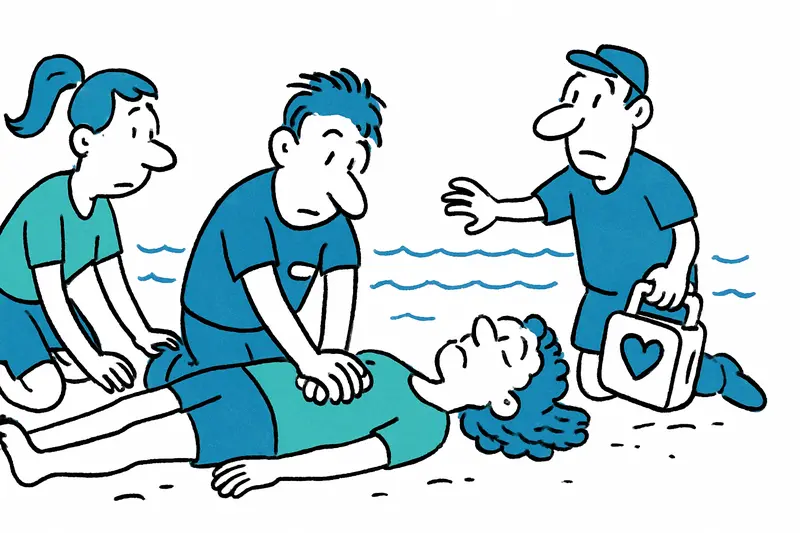
Playa de Palma: Life-saving at Balneario 11 – Lifeguards Act Quickly
A German holidaymaker suffered cardiac arrest at Playa de Palma. Lifeguards resuscitated her on the beach; emergency ser...
More to explore
Discover more interesting content

Can Cap de Bou

Townhouse Lleo 72
