
Blank Check for Size: How Much Culture Fits in 50,000 Square Meters?
Blank Check for Size: How Much Culture Fits in 50,000 Square Meters?
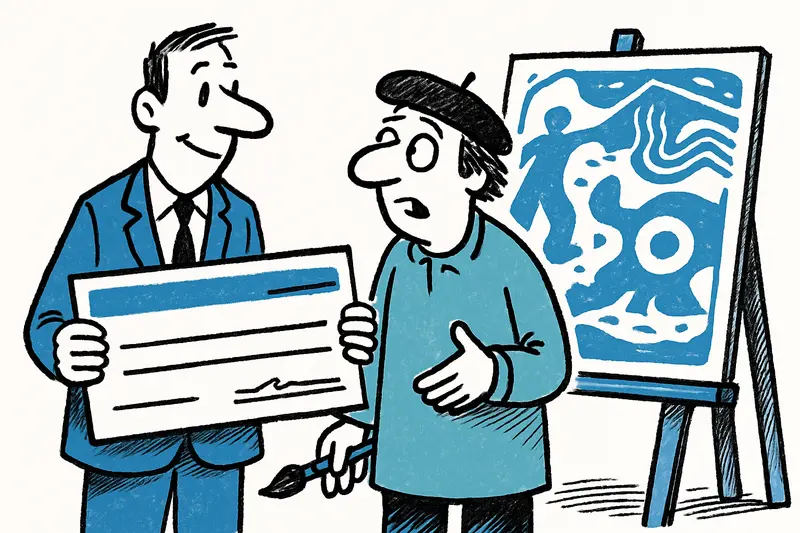
Domingo Zapata from Majorca is set to realize a 50,000-square-meter wall work in Riyadh. The commission comes with an unlimited budget. An assessment: art, state power and the public.
Blank Check for Size: How Much Culture Fits in 50,000 Square Meters?
A Majorca artist, a desert state and a project meant to be visible from orbit — and questions that sound louder than the construction drill on Palma's Calle Sant Miquel.
Key question: Should cultural prestige be given priority to a single, barely controlled mega-project — and who really decides what the world is allowed to see?
The facts sit neatly and provocatively side by side: a Majorcan with an international career has been commissioned to design a wall work of around 50,000 square meters in the Saudi capital. The work is to take several years, involve more than a hundred specialists and apparently has been planned without a clear financial framework. The initiators hope for a visual sign that reaches into orbit — an attempt to funnel cultural weight into a national modernization project.
The image of this news does not lose its edges in Palma when you stroll along Passeig Mallorca on a Wednesday morning. Market vendors at Mercat de l'Olivar call out vegetable names, mopeds roar, and retirees at the street cafés debate whether art still has anything to do with politics. This is precisely where the tension lies: large art projects take place in the political arena, but they are rarely scrutinized as openly as urban construction projects that affect us daily, as in discussions around €624 Million for Palma: Visions, Construction Sites — and the Outstanding Bill.
The critical analysis begins with transparency. A 'blank check' sounds dramatic, but it describes a power relationship: state funds can enable artistic freedom, but they can also be an instrument to shape global reputation. Who controls the choice of motifs, the working conditions for the many people involved, the impact on local artists in Saudi Arabia — and how are environmental issues handled when a 50,000-square-meter relief is integrated into an urban landscape, a question raised in local debates such as Palma launches ideas competition for the Gesa site — museum concepts versus parking plans?
Furthermore, the scale of the narrative is disturbing. The promise to create something 'visible from space' has symbolic power; but it also follows a media logic: size does not automatically replace depth. A large monument can impress without resonating in everyday life or strengthening local cultural spaces. The voices of those who live and work on site — craftsmen, students, local cultural producers — who would be affected are often missing. This absence appears in debates over events like Nit de l'Art 2025: Palma Between Gallery Glamour and Crowds.
What has received little attention in the public debate so far is long-term cultural sustainability. Do such projects create structures that strengthen local names and institutions? Or do they remain singular, spectacular insertions that become a maintenance case after the unveiling? Also rarely asked: what role do international artists play for the local art scene when large sums come from abroad? Do they open doors or close spaces?
A concrete everyday image from Majorca: on Plaça Major, a few buses away, two art school students discuss grants and studio space. For them, permanent infrastructure and access matter more than monumental commissions far from home; this concern is reflected in proposals such as Palma plans a new exhibition center – will modernization and quality of life fit together?
Concrete approaches to ensure that large projects do not become black boxes:
1) Transparency rules: Public disclosure of contracts, budgets and timelines; reporting requirements on expenditures and employment conditions.
2) Local participation: Involving local artists, cultural associations and neighborhood committees in planning and implementation; a portion of the surfaces should reflect local perspectives.
3) Sustainability assessments: Environmental impact assessments, long-term planning for conservation and maintenance, training programs for local conservators.
4) Procurement rules: Design funding lines so that both large projects and local infrastructure benefit — for example through mandatory allocations of parts of the budget to scholarships and studio spaces.
5) Protecting labor rights: Transparent contracts for all involved specialists, fair pay and safety standards on the construction site.
These measures would not speak against large art projects. But they would balance power relations: instead of prestige alone, cultural investment would be created that remains locally tangible.
What is still missing in the debate? A public, independent evaluation afterwards: did the project deliver the promised social and cultural effects? Or was it primarily a symbolic backdrop for international communication? Such evaluations are already common in Majorca for urban facilities — so why not also for transnational art projects?
Conclusion in brief: size is not a quality marker. A 50,000-square-meter work can make history — or be an expensive postcard. What matters is who sits at the table when decisions are made about how such monuments should look and whom they benefit. If culture becomes merely a stage for state image, the voice of the people who live with the art every day is lost — from those who have breakfast at Plaça Major to the students who hope to be heard in the studio.
For Majorca, one instructive observation remains: the island has its own small social construction sites — studio rents, support for young talent, access to spaces. Perhaps the greatest cultural legacy we can nurture is not a work for the world, but a living scene on our doorstep.
Frequently asked questions
Why do huge art projects in Mallorca or abroad cause so much debate?
What should people look for when a cultural project is funded with public money?
Does a very large artwork automatically make a stronger cultural statement?
How can major art commissions support local artists in Mallorca?
What role does transparency play in a large cultural project in Mallorca?
What should Mallorca readers think about when an artwork is described as 'visible from space'?
Why do Mallorca art students often care more about studio space than big monuments?
How can Mallorca avoid cultural projects becoming expensive one-off spectacles?
Similar News

Mistaken identity with fatal consequences: Brutal assault in S'Aranjassa — what's missing in the follow-up?
At S'Aranjassa a visitor to a finca was tied up, beaten and thrown out of a van. Three men have been arrested, including...
High heel slips, car accelerates: accident on Camí de Son Hugo
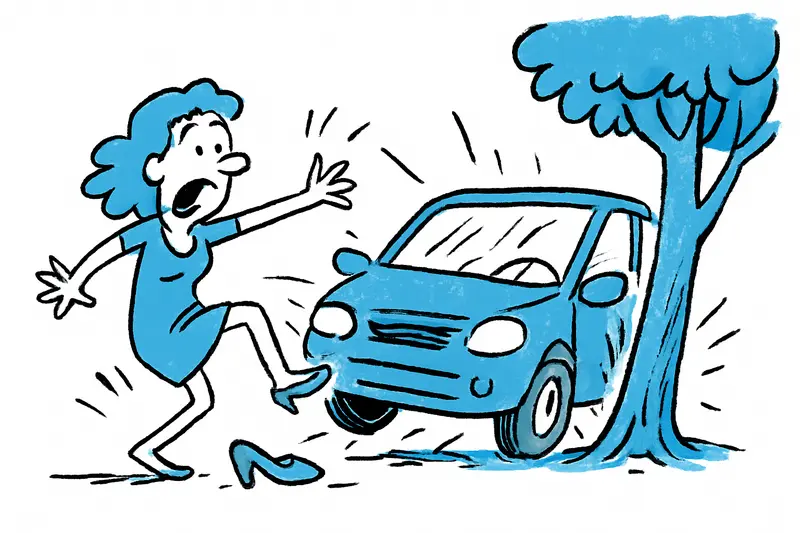
A woman lost a high-heeled shoe on the forecourt of the sports facility at Camí de Son Hugo. The car accelerated, mounte...

Phone Scam: How Two Hotel Employees at Playa de Palma Lost Thousands of Euros
One morning in September, two reception employees at Playa de Palma were pressured by alleged alarm-company staff — in t...
When the Wallet Becomes a Danger: Attack in Peguera and Lessons for Mallorca
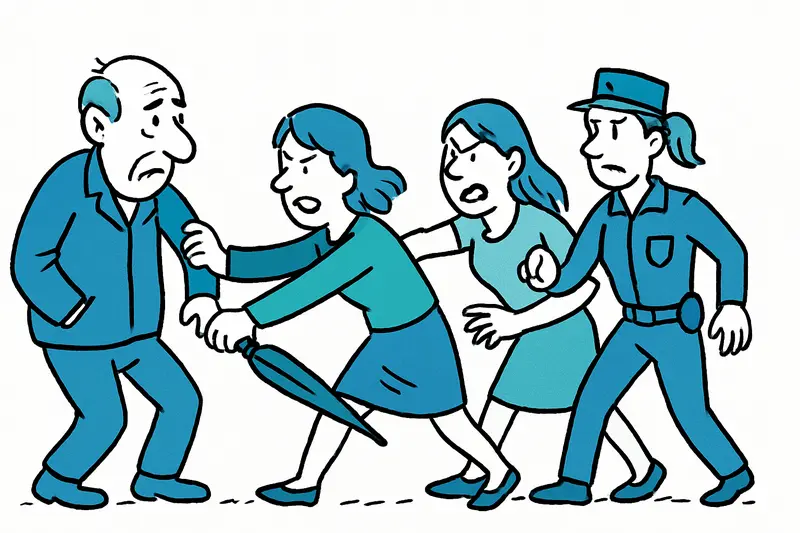
In Peguera, two women are said to have stolen the wallet from a 75-year-old German couple. When the victim intervened, t...
Plata stays Plata: Young people take over, Llonguets remain
A small bar on Carrer de l'Argenteria will continue: Tolo Serra hands the place over to young Mallorcans at the end of t...
More to explore
Discover more interesting content

Can Cap de Bou

Townhouse Lleo 72
