
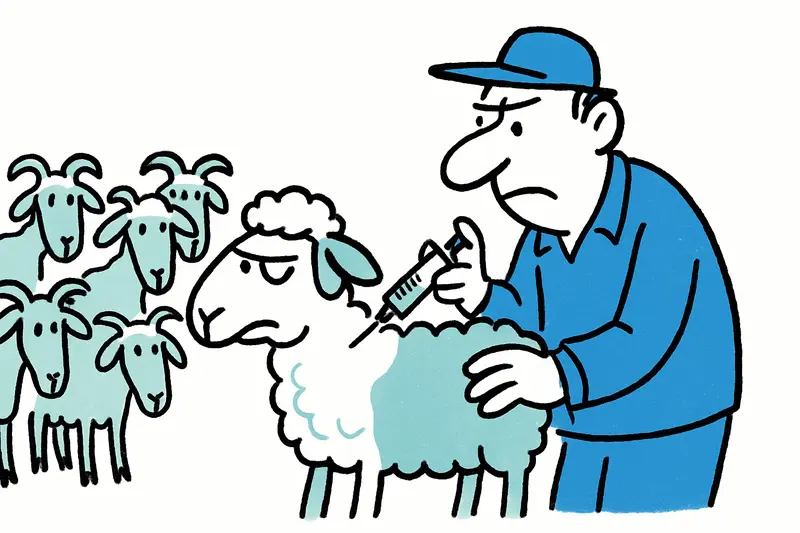
Bluetongue Serotype 3 in Mallorca: How the Island Can Prevent Spread in the Mountains
Ten outbreaks, more than 5,000 animals vaccinated — but the real danger lurks in the hard-to-reach mountain pastures. Why Mallorca needs not only vaccines but also logistics, data and neighborly help.
Bluetongue serotype 3 in Mallorca: How the island can prevent spread in the mountains
It was one of those damp mornings in Emergency in Bunyola: New Bluetongue Disease Puts Mallorca's Animal Health to the Test: mist in the olive groves, a dog barking on the edge of town and shepherds checking fences with tired hands. On a small farm Joan counts his flock. 'Some are coughing, others are listless,' he says. The figures are already stark: the Balearic administration reports ten confirmed outbreaks of the new serotype 3, with hotspots in Bunyola, Alaró and parts of Palma. More than 5,000 animals have been vaccinated so far, as reported in Enfermedad de la lengua azul en Mallorca: Cómo detener su expansión. But numbers alone are not enough.
The key question that must now be central
The central question is less: How quickly can we vaccinate? and more: How do we prevent the serotype from becoming established long-term in the hard-to-reach mountain pastures? That is crucial. Once the midges are established in the seasonal grazing areas, Mallorca's traditional pastoral agriculture will be affected in the long term — with consequences for incomes, markets and the landscape.
More than just disease: the hidden risks
Public debate often focuses only on vaccination rates. Yet several less visible factors are at least as important. Bluetongue is transmitted by biting midges (Culicoides), as described on the WOAH page on bluetongue disease. Their spread depends on microclimate, wind and standing water. Such micro-ecosystems are found in terraced fields, neglected drainage ditches and even picturesque fords in mountain streams — places that are easy to miss on maps.
Another problem is the cold chain. Vaccines require temperature control, as explained by EFSA information on bluetongue in Europe. Transport on narrow, winding roads into the Serra de Tramuntana is not trivial. Many small farms lack a vehicle or the time to wait. Social aspects also matter: elderly or solitary shepherds cannot simply travel to central collection points.
And then we often lack one thing: data. Where exactly are the local hotspots? How representative are the samples taken? Without systematic, area-wide surveillance, authorities and veterinarians sometimes make decisions in the fog — and that is dangerous.
Concrete levers that must be pulled now
There is no easy way out. But several pragmatic measures could slow the spread significantly — and they are feasible:
1. Mobile cooling and vaccination teams: Small teams with portable vaccine coolers and basic diagnostic kits visit targeted farms in the mountains. This reduces travel for livestock owners and ensures vaccine quality.
2. Local vaccination hubs and coordinated collection times: Community centers in Alaró, Bunyola or Palma suburbs can offer fixed weekdays. Regional volunteer groups organize transport — this works well with traditional market networks.
3. Expanded surveillance and rapid reporting systems: Systematic blood sampling at grazing points, complemented by simple reporting channels (including WhatsApp or a local call center), make hotspots visible early.
4. Financial security instead of fines: Emergency funds, quick compensation for animals that die and grants for biosecurity measures prevent farmers from bypassing rules out of fear for their livelihood.
5. Vector control and pasture management: Small interventions like draining standing water, adjusting grazing times (to hours with fewer midges) and temporary grouping restrictions for goat herds can reduce transmission.
6. On-site education and neighborhood networks: Clear, short information in Mallorcan at community houses, markets and via loudspeakers in villages — coupled with neighborhood vaccination campaigns — increases reach.
Why fast, coordinated action makes sense
More than 5,000 animals already vaccinated show that mobilization is possible. Now it is a matter of channeling that energy. If the island government, municipalities, veterinarians and farmers work more closely together, the spread can be slowed. If action is too hesitant, there is a risk of long-term strain on pastoral farming — more costly for the community and sad for an island that relies so much on its shepherds and transhumance traditions.
In the short term: stay calm, report symptoms and attend vaccination appointments. If you drive along the country roads, listen for the bells of the flocks and keep your distance — not because people are at risk, but to avoid stressing the animals unnecessarily.
In the medium term we need coordinated vaccination strategies, robust cold chain solutions and financial safety nets for affected families. And we need reliable data: targeted sampling, maps of grazing areas and a simple, publicly accessible situational picture.
I will continue following this: conversations with veterinarians, municipal clerks and people on the farms show that the island community wants to help. The question is whether policymakers will now act quickly enough for this willingness to be effective. If you notice a suspected case: note the location, date and veterinarian contact and report it. Bluetongue is a challenge — but one that Mallorca can master with smart organization and a bit of effort.
Frequently asked questions
What is bluetongue serotype 3 in Mallorca?
Which areas of Mallorca have bluetongue outbreaks?
Can bluetongue spread more easily in Mallorca’s mountains?
How is bluetongue transmitted in Mallorca?
Can I still move sheep or goats in Mallorca during a bluetongue risk?
How do bluetongue vaccinations work in Mallorca?
What should Mallorca farmers do if they suspect bluetongue?
How can Mallorca reduce the spread of bluetongue in rural areas?
Similar News
Nighttime Vandalism in Alcúdia: Who Pays for the Damage, Who Learns the Lessons?
Five youths broke into a golf course in Alcúdia, stole two buggies, devastated turf and caused an accident. A case with ...

Ready to go — but what does Palma's second ring road really mean for Coll d'en Rabassa?
Work on Palma's second bypass appears set to begin in 2026. Numbers, plans and everyday life in Coll d'en Rabassa raise ...
Overflowing garbage piles at Consell–Alaró station: Who is actually cleaning up here?
Sacks, bottles and packaging have been piling up around Consell–Alaró station for months. Missing cameras, full parking ...
Agromart opens large market in Inca: 500 m², terrace and café as a meeting place
On 17 September a new Agromart branch opens in Inca with around 500 m² of sales area, a butcher's, a fresh-food kitchen ...
The End of the Cheap Ride? Why Mallorca Is Hit Harder by the Fuel-Price Shock
Gasoline and diesel average close to two euros per liter. What this means for commuters, supply chains and renters in Ma...
More to explore
Discover more interesting content

Can Cap de Bou

Townhouse Lleo 72
