
Body in Cala en Brut: What the disaster with Storm "Dana/Adam" teaches us about emergency preparedness
A man was recovered from Menorca's coast after the storm. The details raise questions about warning systems, beach patrols and the location of rescue services.
Body in Cala en Brut: What the disaster with Storm "Dana/Adam" teaches us about emergency preparedness
One guiding question, three problems, everyday life in Menorca and concrete proposals
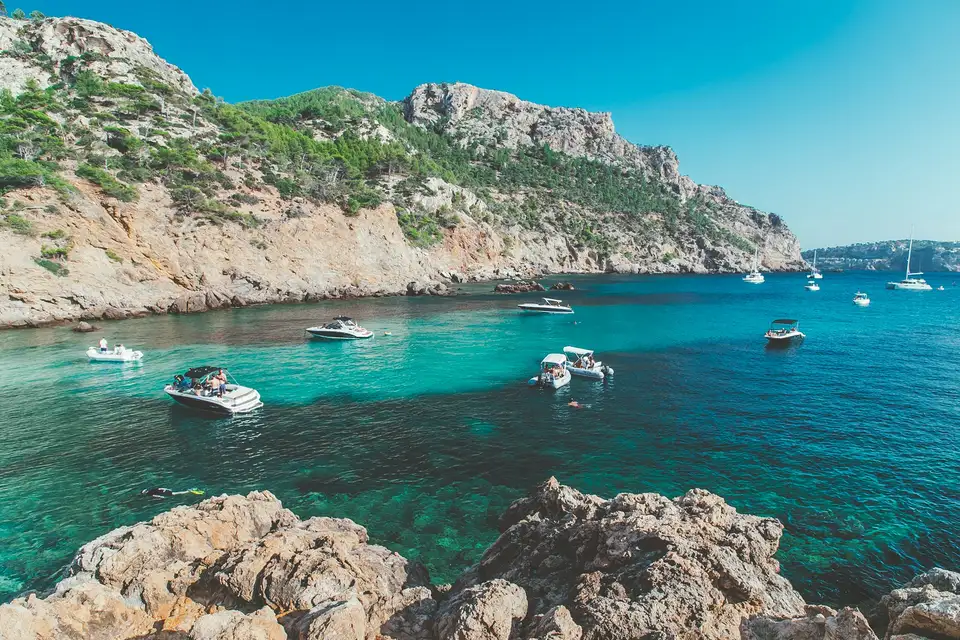
The Menorcan coast is once again the scene of a sad discovery: firefighters recovered a man estimated to be 60 to 70 years old from the waters of Cala en Brut. He was wearing only swim trunks and, according to operation reports, was about 20 to 30 meters from the shore when responders took him to the old harbor of Ciutadella. The emergency service received the report around 6:00 p.m. on a day when the island was already under severe weather warnings.
Guiding question: Why does what appears to have been a short swim end fatally in the middle of an ongoing storm?
Initial analysis: It's not just about waves and wind. We must distinguish three levels. First: communication. The 112 emergency call center reported over 100 emergency responses after a storm in the Balearic Islands; whether warnings reached beachgoers clearly, visibly and in time is unclear. Second: presence on site. On beaches like Cala en Brut, which do not have large lifeguard stations, staffing is often lacking outside the season to enable rapid intervention. Third: decision culture. Some people underestimate the danger at sea in gray weather — short open-water swimmers, anglers or walkers still venture into the surf.
What is often missing from public discourse: concrete information about whether beaches were officially closed, whether warning signs were installed or loudspeaker announcements were made, and how coordination between the island police, fire department and water rescue operates. The personal circumstances of the deceased remain unclear for reasons of privacy. Nevertheless, the gap in the information chain is relevant: people need clear signals, not just colored warning levels on a website.
An everyday scene in Ciutadella helps illustrate this: gusting rain, puddles splashing on the Passeig, sailboats rocking in the old harbor, the smell of wet asphalt mixing with espresso from a bar. Fishermen clean nets and casually discuss the storm's strength. At Cala en Brut beach, however: empty towels, a toppled sun umbrella, spray on the rocks. No one is on high alert — until the siren wails through the alleys and rescue boats head out.
Concrete approaches that could be implemented quickly:
1) Visible and locally coordinated closures: Mobile barriers, yellow/red flags and loudspeaker announcements that are also used in holiday resorts without permanent beach supervision. A flag alone is not enough; it must be visible and accompanied by active communication.
2) Real-time alerts for the beach: Regional push system that informs beach access points, parking lots for hikers and popular coves when orange/red warnings are issued. Not just websites and Twitter feeds — many people rely on audible signals, as discussed in Sudden autumn in Mallorca: Are harbors and coasts prepared for short storms?.
3) Strengthen local cooperation: Clear operation plans between the maritime Guardia Civil, fire department and municipal police. A simple plan specifying who launches boats or closes beach areas in which weather saves minutes that can mean rescue.
4) Education and small investments: Information boards at access roads to coves that explain the risks during storms; seasonal training for volunteer groups; mobile rescue islands for difficult coves.
5) Resources and priority: Units regularly deployed should not be reduced in wind and rain situations. When a storm system moves across the Mediterranean, personnel and nautical readiness are needed — even on smaller islands.
These measures are not panaceas. But they are pragmatic, often inexpensive, and increase the chance that a single error will not be fatal.
Concise conclusion: The recent recovery off Menorca's coast is a painful reminder that warning systems and local protective measures must work better together. We cannot assume that everyone instantly understands when the sea is dangerous. Visible closures, local agreements and direct warning signals — these are not bureaucratic boxes to tick, but potential lifesavers. In Ciutadella, while fishermen mend their nets and bars dry espresso cups, the responsibility lies with authorities and the community alike: fewer explanations, more immediate visibility.
Frequently asked questions
What are the key lessons for emergency preparedness from storms along the Balearic coast?
How should beaches with limited lifeguard coverage in Mallorca prepare for storms?
What happened at Cala en Brut during the recent storm and what does it reveal about beach safety on Menorca?
What practical steps could Ciutadella and Cala en Brut implement to improve storm warnings and beach safety?
What do orange and red weather warnings mean for beachgoers in the Balearics and how should you respond?
What role do local authorities and communities play in improving storm safety on Mallorca?
Are there informational resources at coves in Menorca to explain storm risks and what about training volunteers?
What does the Cala en Brut case teach about storm safety for Mallorca and the Balearic Islands as a whole?
Similar News
More than €450,000 watch seized: What remains from the raid against gangs?
The National Police report 34 arrests and the seizure of a watch worth more than €450,000. A reality check: what do the ...
When a Piece of the Sea Disappears: Portixol Pool in Limbo
Portixol in Palma faces a decision: the license for the terrace and pool on public waterfront land expires at the end of...
Magaluf: Fire on Punta Ballena — about 50 evacuated and many unanswered questions
On Monday afternoon a fire in a shop on Punta Ballena street in Magaluf prompted the evacuation of about 50 people. The ...
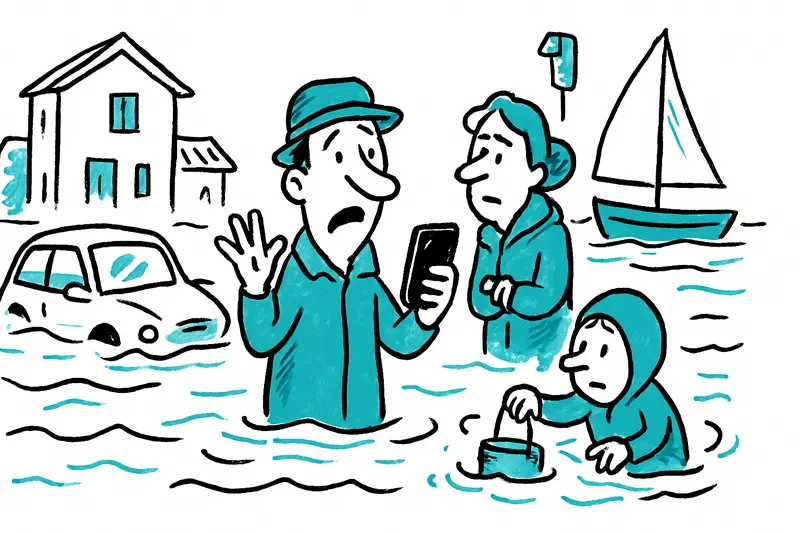
When the Village Street Became a Flood: What Storm Adam Reveals About Mallorca's Vulnerability
Roaring water turned Carrer de Palma in Consell into a torrent on 19 October; on the coast beachgoers helped prevent a s...
Krümel in a celebratory mood: How Peguera danced at the season closing
With accordion, glitter and an international audience: Marion "Krümel" Pfaff combined her birthday with the season-closi...
More to explore
Discover more interesting content

Can Cap de Bou

Townhouse Lleo 72
