
Bodycams in Palma: More clarity needed so surveillance doesn't become the norm
Bodycams in Palma: More clarity needed so surveillance doesn't become the norm
Palma's local police equip UII officers with Axon Body 4 cameras. Useful for evidence collection — but specific rules on oversight, storage and transparency are missing. Time for clear answers and practical safeguards.
Bodycams in Palma: More clarity needed so surveillance doesn't become the norm
Key question
How much police recording can Palma tolerate without harming civil rights and the everyday scenes of our city?
Critical analysis
The Policia Local has introduced Axon Body 4 body cameras for its rapid response unit (UII). Technically there are advantages: recordings capture not only the moment of activation but also minutes beforehand, data are stored encrypted and are intended to be unalterable by officers themselves. Such features help reconstruct operations and clarify conflicting statements. At the same time risks loom. Without transparent rules there is a danger of so-called "mission creep" and a gradual expansion of use: today only for threats to public safety, tomorrow perhaps also for minor offences or routine checks. Who decides which deployments are "sensitive" enough to trigger recording? And how long are the videos retained?
What is missing in the public debate
So far technical details and legal principles are discussed, but few answers to central questions: Are there binding deletion periods? Who reviews access requests and conducts independent audits? How are affected persons informed when recordings of them exist? In Palma little has been said about which concrete data security measures are in place — for example protocols against unauthorized access, logging of all retrievals or regular audits by an external body. The debate about possible side effects on tourism, nightlife and the work of local businesses is also missing.
Everyday scene
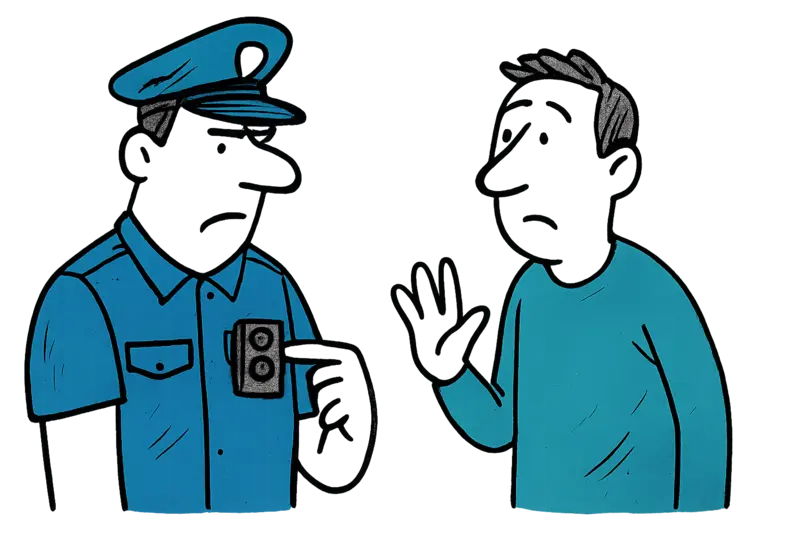
Imagine the Plaça de Cort on a Saturday evening: a babble of voices, rolling suitcases, a street musician finishing a set, a UII patrol slowly driving down the alley. An officer discreetly touches the camera on his vest. No one sees the device — and that is the problem: for many people it remains unclear when they may be filmed. Stricter rules apply in private spaces, but tightly packed bars, stairwells of holiday apartments or courtyards are zones where uncertainty spreads.
Concrete solutions
So that bodycams build trust rather than fear, I propose the following measures: 1) A publicly accessible policy with clear criteria for activation, access and deletion periods; 2) Establishment of an independent oversight body (e.g. with municipal members, data protection officers and legal representatives) that publishes regular audit reports; 3) Technical protocols that log every access, every playback and every transfer without gaps; 4) Mandatory training for officers on data protection and de-escalation; 5) Public information — clearly visible notices in high-traffic areas and information sheets for tourists; 6) Mandatory data protection impact assessment and cooperation with the Spanish Data Protection Agency (AEPD).
What must happen now
Implementation is not automatic. Encryption and storage mechanisms are good technical foundations but are not enough as democratic safeguards. Palma needs binding rules on retention periods, clear responsibilities for access and independent controls, otherwise the camera remains a double-edged tool: helpful for evidence, problematic when transparency is lacking.
Conclusion
Bodycams can help in dangerous deployments — but only if the city administration and the police now disclose how they will limit, control and explain this power to the public. Otherwise an alleged witness will turn into a permanent surveillance presence that quietly changes our squares and pubs.
Frequently asked questions
What is the best time of year to visit Mallorca for good weather?
What should I pack for a Mallorca trip, especially for beach days?
When is it safe to swim in Mallorca and what should I know about sea conditions?
Is it easy to get around Mallorca without a car?
What activities should I consider beyond just sun and sea in Mallorca?
Is Mallorca family-friendly and safe for travelers?
What should I know about weather and temperatures in Mallorca across the seasons?
How do locals typically spend evenings and meals in Mallorca?
Similar News
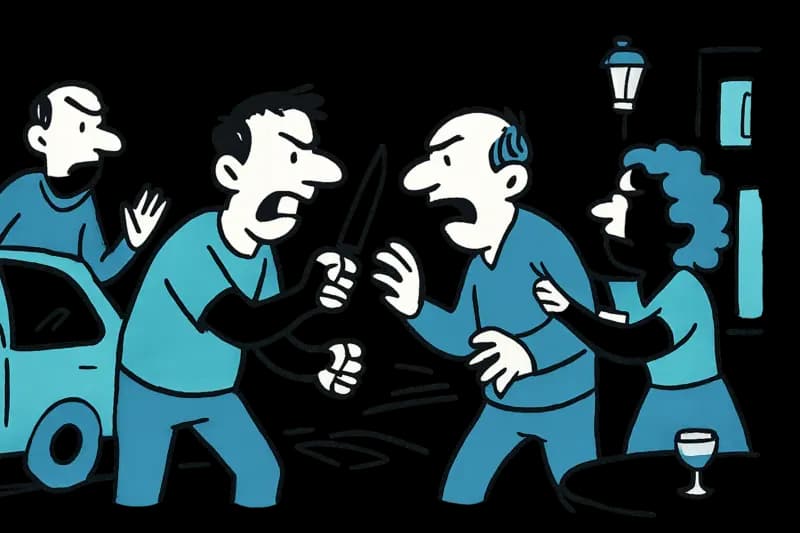
Parking dispute in Els Hostalets: When a gap leads to violence
A parking dispute on Calle Aragón escalated into a mass brawl at night. Why do trivial conflicts here turn bloody so qui...

When the Bread Door Closes: Why Maria de la Salut Lost Its Last Bakery
The only bakery in Maria de la Salut, a sales outlet of Forn de ca'n Joan Terès from Palma, has permanently closed. What...

Ancient Piece Brought to Light: Guardia Civil Recovers Roman Anchor Fragment off North Coast of Mallorca
Divers from the Guardia Civil recovered a massive iron piece from Roman times off Mallorca's north coast. The roughly 35...

Who Benefits from the Half‑Hourly Flight on the Edge? Aena, Investments and the Island's Interests
Almost one billion euros is flowing into Son Sant Joan. The figures show the scale of investment and expected beneficiar...

Are the Balearic Islands the Southern Border of Europe? A Reality Check on Immigration
The Balearic Islands are again calling for EU aid after a sharp rise in arrivals by sea. Conflicting priorities between ...
More to explore
Discover more interesting content

Can Cap de Bou

Townhouse Lleo 72
