
Nighttime Break-in at Marineland: Four Young Adults, a Dolphin Pool and Many Questions
Nighttime Break-in at Marineland: Four Young Adults, a Dolphin Pool and Many Questions
Four people are said to have broken into the marine center in Portals Nous at night to pose with dolphins. The action ended in a chase and an arrest. Why does this happen — and what is missing to protect animals and people?
Nighttime Break-in at Marineland: Four Young Adults, a Dolphin Pool and Many Questions
Why a brief curiosity turned into a dangerous action for animals and staff
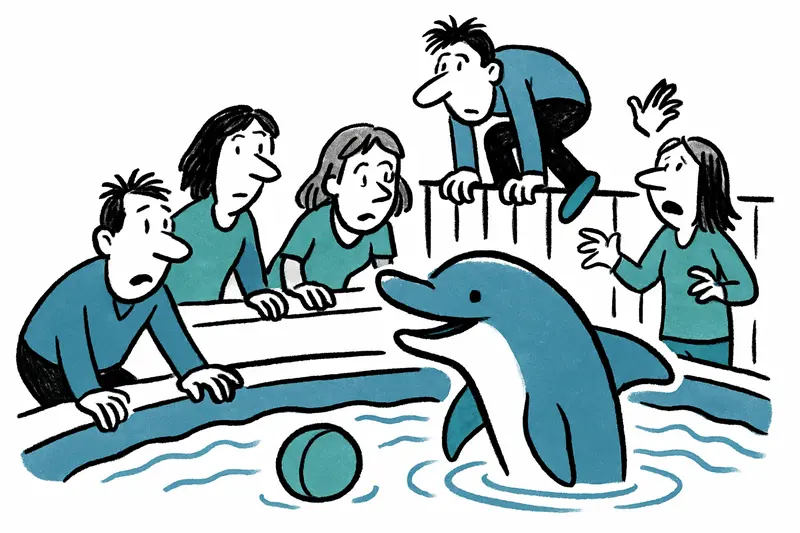
It was after midnight, the wind carried the smell of salt from the harbor, and at the pier of Portals Nous a few lights from moored yachts still blinked. That night, four young adults, according to investigators between 18 and 23 years old, are said to have climbed over a fence at the beach access to the marine center to get close to the dolphins. The group went straight to the pool and, according to reports, threw a training ball there, apparently to lure the animals — presumably with the aim of taking close-up shots and showing them on social networks.
An alarm quickly made the incident public, a pattern reminiscent of nighttime break-ins in Palma. Security staff and the Guardia Civil arrived, and there was a short chase across the stands and paths of the site until the youths were finally stopped inside the dolphinarium. They are now under investigation for trespassing. Luckily, according to available information, no animal was immediately injured. The risk, however, was real: ingested or swallowed objects can be life-threatening for marine mammals.
Main question: Why does it repeatedly happen that people gain access to protected animal facilities, and what does this episode say about our behaviour toward wild animals? Similar concerns also arise after incidents such as the discovery of a dead striped dolphin at the Club de Mar, which foregrounds questions about protection and prevention.
Critical analysis: At first glance this sounds like a dare, triggered by the hunt for likes. But there is more to it. Security measures at popular facilities are often a compromise between visitor friendliness and protection. A low fence at the beach access, sparse lighting and an outdated camera setup create opportunities. At the same time, many young people apparently lack awareness of how fragile the situation is for animals: a thrown ball can end fatally, direct contact transmits stress and disease. Authorities react afterwards — and that is not enough.
What is missing from the public debate: discussion usually focuses on prosecuting those involved. Far less is said about what education in schools, preventive measures on site and cooperation between park operators, municipalities and police forces could look like. The topic of social media incentives also receives little attention: short bursts of success in a feed can reward risky actions. There is also no honest assessment of the security infrastructure of many leisure facilities along the coast; local coverage of events such as the Break-in at the Ballermann highlights these broader safety questions.
An everyday scene from Mallorca's southwest: in the morning on the Paseo in Portals you pass joggers, old men checking their boats, and mothers with children on their way to school. No one thinks about nighttime break-ins then, but the same stretch of shore is often quiet enough in the evening for curious people to be tempted to test boundaries. The short distances between beach, promenade and private properties make this possible.
Concrete solutions that can be implemented quickly: higher, beach-side fences at sensitive access points; improved lighting with motion sensors at critical spots; modernized video surveillance with a central control centre; regular joint patrols by security services and local police in the evening hours; clearly visible notices in several languages explaining why touching and feeding are forbidden. In the medium term, an educational programme in schools and youth centres is needed: workshops on animal welfare, legal consequences and the risks of actions for social-media content. Operators should also create transparent reporting channels for incidents and work closely with animal welfare organisations.
Legally, one cannot simply enter private property; that is trespassing. But penalties alone often act like a plaster on a deeper wound. Prevention, visible presence and education are more sustainable. Operators must also take responsibility: open access must not undermine the privacy and safety of the animals.
My appeal from everyday life on Mallorca: those who enjoy their morning coffee on the waterfront benefit from nature — and should respect it in the evening. Those who see animals only as a backdrop for a photo overlook the costs that can follow. The island is not a stage for dares; we must find ways to satisfy curiosity without endangering animals or people.
Conclusion: The nighttime incident in Portals Nous is symptomatic of a larger problem. Prosecuting perpetrators is not enough. Protecting animals requires better fences, brighter lighting, informed visitors and a clearer public debate about how digital reward mechanisms encourage risky behaviour. Then such scenes will become rarer — and the dolphins we observe and cherish here will remain healthier.
Frequently asked questions
Why do some people try to enter dolphin facilities at night in Mallorca?
Is it dangerous to throw objects into a dolphin pool?
What happens if someone trespasses at a private facility in Mallorca?
How can Mallorca animal parks better protect dolphins and other animals?
Why are social media videos making risky animal encounters more common in Mallorca?
What should visitors do if they see suspicious activity near Marineland in Portals Nous?
Is Portals Nous quiet enough at night for people to access private shorefront areas?
What is the main lesson from the Marineland break-in in Mallorca?
Similar News

Rental Car Theft in El Arenal: What This Incident Reveals About Our Gaps
A teenager steals a running rental car in El Arenal, flees on foot, climbs over walls and is caught by the Guardia Civil...
Red Rope in Palma's Library: What Helps Against Selfie Tourism — and What's Missing
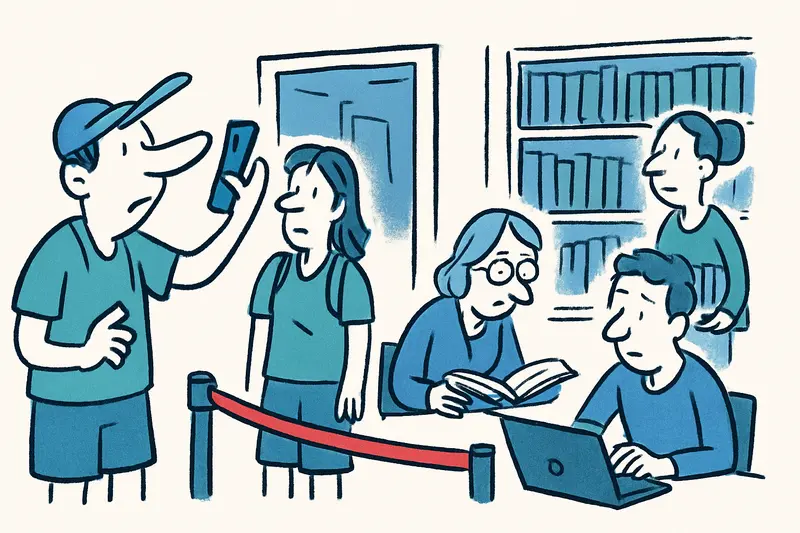
Palma's city library cordoned off an area with a red rope to keep selfie tourism away from reading and working activitie...

Fort San Carlos: Museum, Harbor Dispute — and a Conflict That Demands Answers
The military museum at Fort San Carlos sits right on Palma's harbor, with unexpectedly quiet rooms filled with cannons a...
Old Town Under Pressure: When a Doorway Becomes a Sleeping and Shower Place
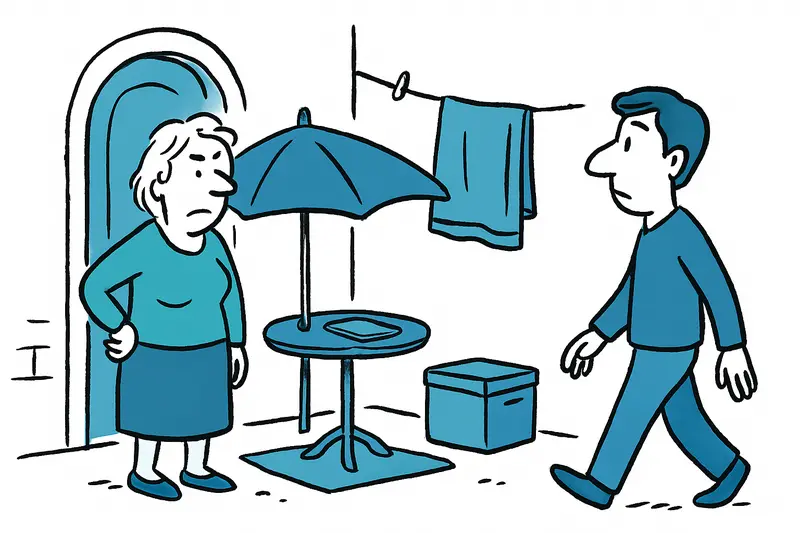
For months a woman has been living with a parasol, a clothes rack and personal belongings next to the social welfare off...

When Shopping Weighs Heavier: Mallorca Demands a Tax Pause on Food and Fuel
Rising prices are putting pressure on households and agriculture. The Balearic Islands are calling for temporary tax rel...
More to explore
Discover more interesting content

Can Cap de Bou

Townhouse Lleo 72
