
Life‑threatening Dare on the Playa: What the First Balconing Case of the Year Reveals
Life‑threatening Dare on the Playa: What the First Balconing Case of the Year Reveals
A German holidaymaker jumped from the second floor into a hotel pool — a video went viral. Why this is not an isolated incident and which gaps remain in dealing with balconing.
Life‑threatening Dare on the Playa: What the First Balconing Case of the Year Reveals
Key question: Why does this danger repeat itself even though everyone talks about balconing?
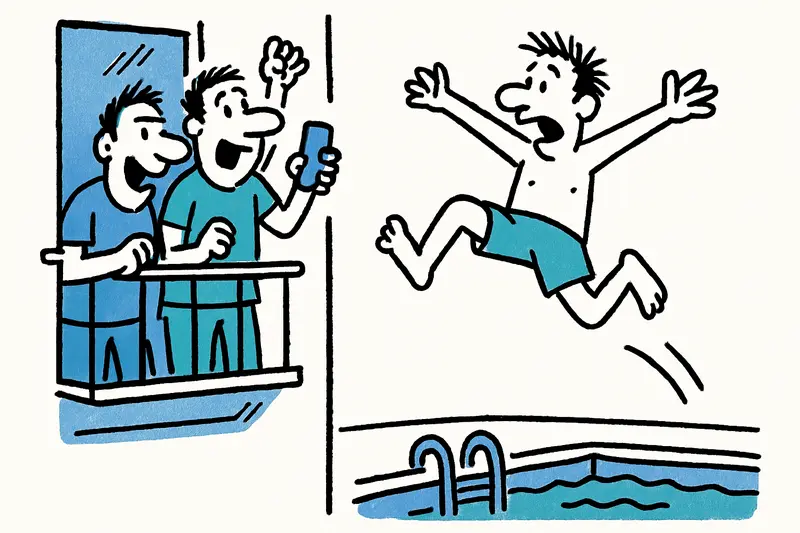
Last weekend the typical start‑of‑season commotion began on Playa de Palma, where incidents such as Dead Tourist at Playa de Palma: An Accident Raises Many Questions have raised concern: yellow light flickered from streetlamps, and the clink of beer cans on the promenade merged with the rhythms coming from the bars. Amid this mosaic of sounds a German holidaymaker jumped from the second floor of a hotel into the pool; friends filmed the scene and the video was viewed almost a million times within days. The footage is shocking, but it is not a coincidence.
Balconing, jumping from hotel balconies, has been a danger accompanying Mallorca for years. The problem appears particularly where party culture, heat and freely available alcohol converge: Ballermann, Megapark, the long hotel complexes on the playa. The numbers of deaths and serious injuries in past years serve as both reminder and warning; in one case at Playa de Muro rapid assistance saved a life, reported in Playa de Muro: Seconds That Saved a Life — and What We Must Learn. Yet the pattern repeats as if the island were a permanent stage for reckless dares.
Analyzed soberly, the case reveals a triangle of incentives: alcohol, peer pressure and digital visibility. The young person seeks a thrill; the group applauds; the phone records because a viral video promises clicks and recognition. A second factor is the architecture of many hotels: low railings, easily accessible terraces and — in some complexes — narrow stairways that increase the risk.
What is often missing in the public debate is the question of the chain of responsibility. People talk about the victims, sensational clips and awareness campaigns. But hardly anyone demands clear rules from promoters, hoteliers and platform operators. Why does a culture of cheap alcohol and 24‑hour partying offer so many incentives for risky behaviour? Who benefits from the viral spread of these clips — and who can be held accountable, and how effective is emergency response, as discussed in Playa de Palma: Death at Balneario 2 – How good is Mallorca's help for people in need??
Missing aspects: the discussion fails to consistently address structural safety standards. Hotels with balcony railings at seating height should be reviewed. The role of social networks is also underexposed: algorithms push sensational content, often without age verification or contextual warnings. Finally, there is little discussion of legal consequences: what sanctions face uploaders if a video endangers imitators?
An everyday scene from Palma makes this tangible: on the Passeig Marítim the older kiosk vendor at the corner watches groups pass by every evening, laughs, shakes her head and says quietly: 'They used to be on the beach, now they film everything.' Her observation sums up the problem — it has become normal to record dangerous actions instead of preventing them.
Concrete solutions must operate on multiple levels. Preventively, stricter structural requirements help: higher railings, lockable exterior doors on guest floors and clearly marked danger zones by the pool. Hotels should introduce mandatory safety briefings at check‑in, combined with short videos that not only list rules of conduct but also show possible consequences.
On the side of promoters and clubs, clear alcohol limits and graduated entry controls are possible. Security staff can be present more conspicuously, especially in the first weeks after the season starts. Platform operators must be held more accountable: rapid removal of clips that show life‑threatening actions and clear warning functions that point out risks. Cooperation between tourists' home countries and local authorities here could also be intensified, for example through pre‑travel information campaigns.
Finally, a societal debate about forms of recognition is needed: why does viral attention often count more than common sense? Initiatives with influencers who model responsible behaviour can create opposing incentives. Schools, tour operators and embassies should provide preventive information, not only react after an accident.
Conclusion: The incident at Playa de Palma is more than a youthful prank immortalized by a phone. It is a symptom of a system in which architecture, commerce and digital attention concentrate risk potential. Anyone who lives or works in Mallorca knows the nightly noises and the mornings when ambulances leave. Now is the time for clear rules, better architecture and a serious conversation about the mechanics of imitation — before the next viral video brings not only outrage but tragic consequences.
Frequently asked questions
What is balconing, and why is it so dangerous in Mallorca?
Why do balcony accidents keep happening in Playa de Palma and other party areas in Mallorca?
How can hotels in Mallorca reduce the risk of balconing?
What should tourists know before staying in a party hotel in Mallorca?
Can people be held responsible for sharing balconing videos in Mallorca?
Why do balconing clips go viral so quickly in Mallorca?
What can be done in Mallorca to stop young tourists from trying dangerous stunts?
Is Playa de Palma safe for a holiday if you avoid the party scene?
Similar News
Rental Car Theft in El Arenal: What This Incident Reveals About Our Gaps
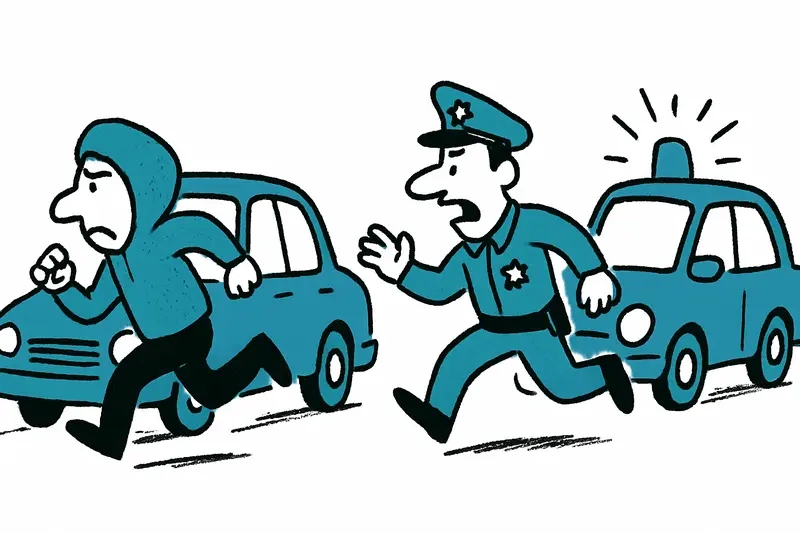
A teenager steals a running rental car in El Arenal, flees on foot, climbs over walls and is caught by the Guardia Civil...
Red Rope in Palma's Library: What Helps Against Selfie Tourism — and What's Missing
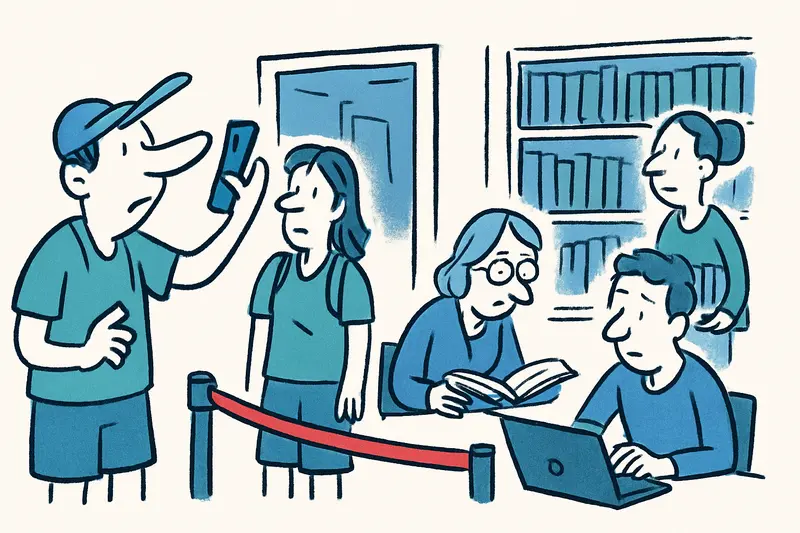
Palma's city library cordoned off an area with a red rope to keep selfie tourism away from reading and working activitie...
Fort San Carlos: Museum, Harbor Dispute — and a Conflict That Demands Answers
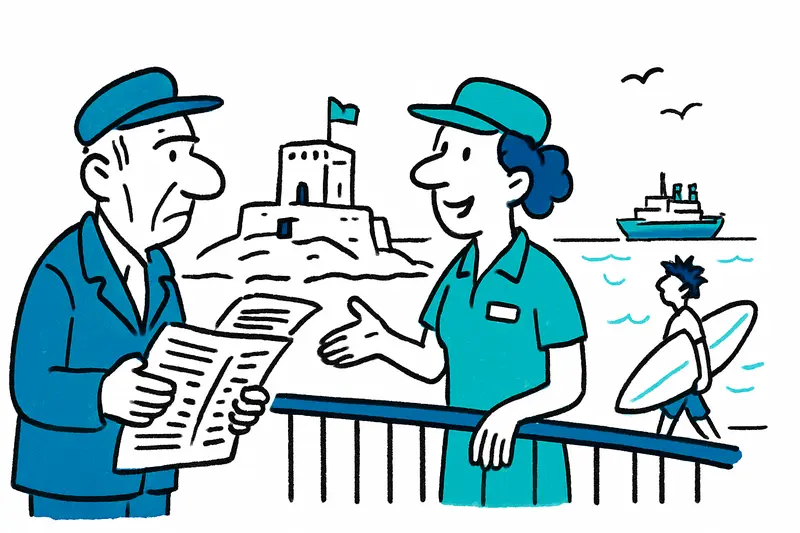
The military museum at Fort San Carlos sits right on Palma's harbor, with unexpectedly quiet rooms filled with cannons a...
Old Town Under Pressure: When a Doorway Becomes a Sleeping and Shower Place
For months a woman has been living with a parasol, a clothes rack and personal belongings next to the social welfare off...
When Shopping Weighs Heavier: Mallorca Demands a Tax Pause on Food and Fuel
Rising prices are putting pressure on households and agriculture. The Balearic Islands are calling for temporary tax rel...
More to explore
Discover more interesting content

Can Cap de Bou

Townhouse Lleo 72
