
Cliff Fortresses, Myths and Open Questions: A Critical Look at Mallorca's Bloody History
Cliff Fortresses, Myths and Open Questions: A Critical Look at Mallorca's Bloody History
The steep fortress cliffs tell of sieges, legends and lost finds. A reality check: What do we really know about Alaró, Santueri and the rest — and what is often added later?
Cliff Fortresses, Myths and Open Questions: A Critical Look at Mallorca's Bloody History
Guiding question: How much truth is there in the stories of massacres, martyrs and archaeological scandals — and what is missing from public memory?
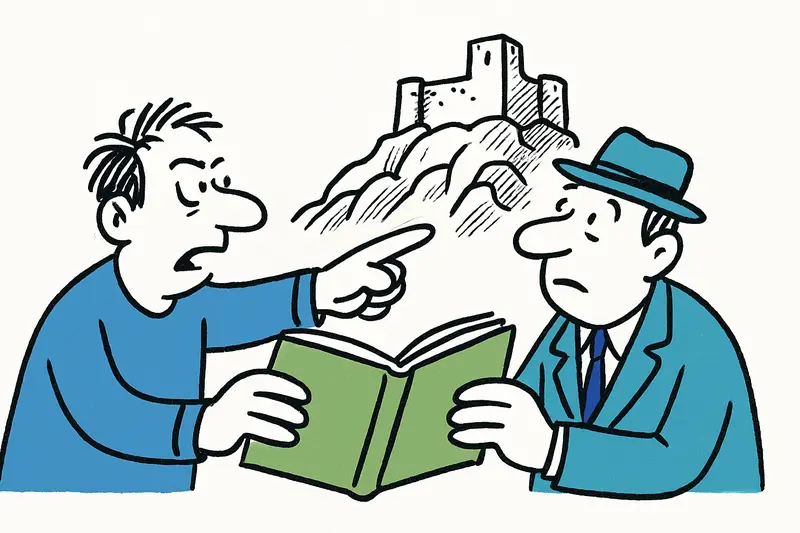
Late in the afternoon, when the sun lies low over the Passeig Mallorca and the pigeons coo at Plaça Major, a thought quickly crosses your mind on the way to the bus stop: on this island there are hills and steep rocks that have seen more than the promenades and beach bars, a dynamic also examined in Reality Check: Why Mallorca Can Hardly Escape Massification. The ruins on Puig d’Alaró, Santueri or Castell del Rei are not mere postcard motifs. They are places where people sought refuge, suffered and died for centuries.
Critical analysis: Many of the accounts circulating today mix established facts with legend and popular mysticism. It is true that after the Muslim conquests in the early Middle Ages and during Jaume I’s conquest, castles like Alaró played military roles. Archaeological finds show that these sites were used already in prehistoric and Roman times; at Santueri, seals and pottery hint at Byzantine connections. At the same time, we must be cautious with formulations like “thousands dead”: precise figures from the early Middle Ages are rarely reliable, and legends often color earlier events.
What is missing in the public discourse: sober differentiation. Instead of dramatic buzzwords, we need clearer indications of which parts are verifiable and which rely on oral tradition. The story of Guillem Cabrit and Guillem Bassa at Castell d’Alaró — including the cruel episode that has endured among the people as a martyrdom — is an example of how narratives become identity-forming. They are valuable, but they must not be presented uncritically as exact chronicles, a point also explored in When Sant Blai Becomes a Stage: Thrillers, Images of the Past and the Responsibility to Tell the Island's Story.
A slice of everyday life here: on a walk near Felanitx I hear older people by the village fountain whispering about the Columbus theory that the alleged discoverer came from eastern Mallorca. At the market children answer their teacher’s questions about historical figures while a delivery van of oranges pulls up in the background. Such conversations shape collective memory more than dry tables in archives.
Back to the source situation: some statements are well supported — the geopolitical importance of the castles, their use across the centuries, the view towards sea and land as a strategic purpose. Other points remain uncertain: exact casualty figures, the details of individual executions or the claimed origins of famous personalities. Also unresolved is how archaeology and monument protection should be handled more modernly here, after cases of improper excavations in the past have raised both awareness and mistrust.
Concrete approaches: 1) Clear on-site labeling: information panels should distinguish between verified finds, probabilities and legends. 2) Local outreach programs: schools and community centers can partner with archaeologists to explain myths critically but respectfully. 3) Protection and transparency for finds: an easier reporting process for discoveries and clearer sanctions against unauthorized excavations help safeguard cultural heritage. 4) Digital archives: a publicly accessible collection of relevant find reports, conservation measures and scientific analyses would curb speculation.
Why this matters: if legend and documented history remain tangled, a distorted picture of the past emerges — sometimes heroic, sometimes bloodthirsty — that shapes identity but can also fuel disputes and misunderstandings. Think of the chapel on the Alaró castle hill, where images of Cabrit and Bassa are venerated: that is part of the cultural heritage, yet the way such stories are told should be responsible.
A practical example: a panel at the foot of Castell Santueri could read: “Finds indicate use since antiquity; Byzantine seals found; legends about later inhabitants exist.” Such honesty costs nothing but builds trust. On the way to the castle you now hear the cicadas chirping, not the clinking of armor. It is precisely this distinction that must be made visible.
Pithy conclusion: Mallorca’s cliff fortresses are more than romantic ruins or a backdrop for dramatic tales. They are archives that draw life from both verifiable findings and popular narratives. The challenge is not to ban legends but to contextualize them — with clear language, better public relations and stronger protection mechanisms. Only then will the history of these places remain authentic and respectful, without descending into sensationalism.
What you can do: If you encounter relics while hiking, report the find to the responsible cultural office; schools can organize excursions with archaeologists; municipalities should provide information leaflets on the origin and safety of historical sites, and on risks from cliff activities described in When Dares Turn Deadly: Examining Cliff Jumps on Mallorca's East Coast. This is not a romantic plea but practical protection for our shared traces.
Frequently asked questions
Why are Mallorca's cliff fortresses historically important?
How much of Mallorca's bloody castle history is fact and how much is legend?
Can you swim or visit cliff areas safely around Mallorca's historic fortresses?
What should I know before hiking to Castell d'Alaró in Mallorca?
What archaeological evidence has been found at Santueri in Mallorca?
Who were Guillem Cabrit and Guillem Bassa in Mallorca's history?
What is the Columbus theory linked to eastern Mallorca?
How should Mallorca protect archaeological finds at historic sites?
Similar News

More Electric Cars in the Balearic Islands: Sales Rise Sharply
Between January and August, 14,185 vehicles without petrol or diesel propulsion were sold — an increase of more than 40 ...
Autumn in Mallorca: What Truly Remains of Summer
The days grow shorter, the evenings cool — and yet more of summer lingers than you might think: sounds, recipes, people,...
Rescue operation at Tolleric: Why nighttime cliff parties become dangerous
A British holidaymaker fell about ten meters at the cliffs of Tolleric during the night, later climbed back up and was r...
Car accident on the MA-1: Mother and daughter on a bicycle struck by a fellow countryman – Who protects cyclists here?
On the MA-1 between Portopí and the Cala Major exit, a mother and her daughter on a bicycle were struck by a car. A para...
Smoke over the UIB: Who is responsible for the fire on the roof?
On Saturday afternoon a fire broke out on the roof of the Arxiduc Lluís Salvador building at the University of the Balea...
More to explore
Discover more interesting content

Can Cap de Bou

Townhouse Lleo 72
