
Cable theft at Palma Cathedral: How vulnerable is the nighttime illumination?
Cable theft at Palma Cathedral: How vulnerable is the nighttime illumination?
Several external cables were torn off the cathedral's façade, causing large parts of the nighttime lighting to fail. A reality check: how could this happen and what should be done now.
Cable theft at Palma Cathedral: How vulnerable is the nighttime illumination?
A reality check after the nighttime incident at La Seu
Key question: How were unknown perpetrators able to damage so many cables in a monitored, tourist-heavy zone of the old town that the cathedral's exterior lighting temporarily failed?
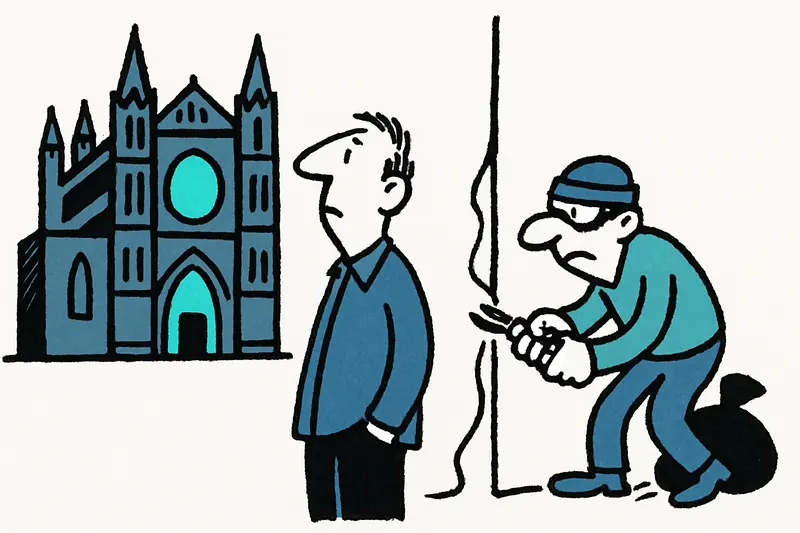
In the night leading into Monday, several external cables were torn off at a side wall of the cathedral. The result: a large portion of the exterior lighting went out for a time, while the main façade with the large portal continued to shine brightly. Investigators assume the perpetrators may have stolen copper – a modus operandi that has occurred on the island before, as reported in Almost a Ton of Copper: Arrest in Palma Raises Questions About Security and Disposal.
At first glance the incident is not entirely surprising: La Seu stands in the heart of the historic centre, where narrow streets are full of surveillance cameras and there are few deserted areas in the evening. Still, cables were loosened and pulled down. That raises questions that go beyond the immediate damage.
Critical analysis: Several factors come together. Exterior installations are often visible and comparatively easy to access, especially on higher side walls that are less noticed by tourist flows. Cables that are openly laid or poorly secured are an attractive target for thieves because copper can quickly be converted into cash anonymously. At the same time, municipal resources are limited: police, heritage protection and city technicians compete for priorities – and prevention against petty crime is regularly underfunded.
From a technical perspective, another problem lies in the infrastructure: exterior lighting on older buildings was often installed retroactively and connected using visible wiring. These retrofits do not always meet modern protection standards. If copper cables are openly accessible, only physical barriers, concealed cable routes or special materials that are hard to resell help.
What is missing in the public debate? First: an honest discussion about the vulnerability of historic fabric to everyday crime. Second: concrete figures on the frequency of such thefts so that politics and administration can set priorities, as past episodes show when streetlights went out in several districts, see Electricity theft in Palma: Copper robbery leaves streets in the dark. Third: the role of the scrap trade. As long as copper can be traded anonymously, demand will persist.
Everyday observations from Palma: those who stroll along the Passeig del Born in the morning hear the sweepers, see small craftsmen and residents opening their shutters. The same alleys, however, show shadow zones in the evening – delivery vans park, bins stand ready, and in a niche one can work unnoticed. Such scenes make clear how thin protection often is in practice.
Concrete solutions:
- Short term: Secure the affected cables, install temporary covers and switch the lighting so that important sections remain protected. A quick repair pool from the city or the operator can prevent further damage to the city's image.
- Medium term: Convert exposed cables on historic buildings to steel-armoured systems or route them through conduit. Where possible, use aluminium or other materials that are harder to resell.
- Prevention: Strengthen cooperation between local police, heritage authorities and local trades; carry out targeted checks at scrap dealer shift-change times; require registration of metal sales with identity verification.
- Community measures: Involve residents and business owners in the old town in a neighbourhood watch; create clear reporting channels (a hotline for technical damage to monument lighting); put up visible signs about CCTV coverage and offer rewards for useful tips.
- Planning: Consider heritage protection, security and theft prevention from the outset in future lighting concepts – do not just wire installations afterwards.
The fact that the main façade remained lit is double-edged: on one hand it shows that critical areas can be protected. On the other hand it raises questions about prioritisation and systematisation: why are side walls easier to attack?
Missing pieces in the investigation: Investigators want to question residents and evaluate the numerous cameras – that is right. What has been heard less so far: what are the response times of municipal services? How quickly are cable damages remedied? And who bears the costs for preventive retrofits on protected buildings?
To conclude a clear piece of advice: it is not enough to repair after each incident and sensitize security forces. Those who want to protect historic buildings in urban tourist zones must address technical solutions, municipal planning and legal obstacles in the metal trade simultaneously. Otherwise the scene will repeat: late at night, a shadow at the side wall, and in the morning another piece of the nightly light we are used to will be missing.
Conclusion: The incident at the cathedral is annoying, but above all it highlights the gaps between heritage protection, infrastructure and police work. If we want to see Palma safe and lit at night, more than cameras are needed: structured measures that make scrap revenues unattractive and close technical vulnerabilities are required.
Frequently asked questions
Why did part of Palma Cathedral’s lighting go out at night?
Is it common for copper cables to be stolen in Mallorca?
How can historic buildings in Mallorca be protected from cable theft?
What can the city of Palma do to prevent more cable thefts?
Why are side walls of old buildings in Palma more vulnerable than the main façade?
What should residents in Palma’s old town do if they notice damaged lighting cables?
Does Palma Cathedral still stay lit if part of the lighting system is damaged?
What does the cable theft incident at Palma Cathedral say about security in the old town?
Similar News
Mistaken identity with fatal consequences: Brutal assault in S'Aranjassa — what's missing in the follow-up?
At S'Aranjassa a visitor to a finca was tied up, beaten and thrown out of a van. Three men have been arrested, including...
High heel slips, car accelerates: accident on Camí de Son Hugo
A woman lost a high-heeled shoe on the forecourt of the sports facility at Camí de Son Hugo. The car accelerated, mounte...

Phone Scam: How Two Hotel Employees at Playa de Palma Lost Thousands of Euros
One morning in September, two reception employees at Playa de Palma were pressured by alleged alarm-company staff — in t...
When the Wallet Becomes a Danger: Attack in Peguera and Lessons for Mallorca
In Peguera, two women are said to have stolen the wallet from a 75-year-old German couple. When the victim intervened, t...
Plata stays Plata: Young people take over, Llonguets remain
A small bar on Carrer de l'Argenteria will continue: Tolo Serra hands the place over to young Mallorcans at the end of t...
More to explore
Discover more interesting content

Can Cap de Bou

Townhouse Lleo 72
