
Cabrera: Almost 60,000 hectares without fishing – what that means for Mallorca
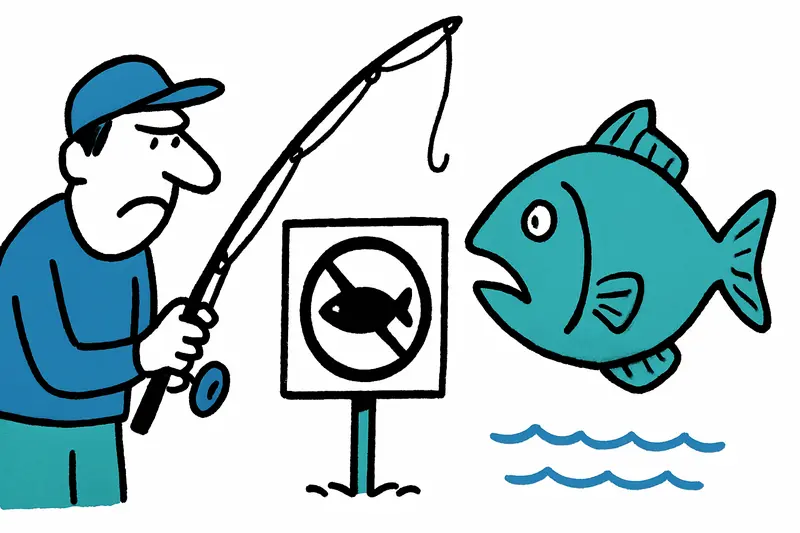
A large no‑take zone is planned in Cabrera National Park. For the waters around Mallorca’s island national park this means protection for ecosystems — and hardly any restrictions for local fishers.
Cabrera will become the largest fishery‑free marine zone in the western Mediterranean
At the pier of Colònia de Sant Jordi you can see the occasional fisherman with a thermos in hand, staring out at the blue line on the horizon and flicking a cigarette into the sea (of course not really, but the gesture is familiar). In these small harbours, between cutters and rowboats, people are talking about a plan meant to protect the seascape off our southern tip: In Cabrera National Park it is proposed to establish a strictly protected marine area without fishing, almost 60,000 hectares in size.
This area, which appears in drafts of the new management plan, would, according to the available information, be the largest protected zone of its kind in the western Mediterranean, as reported in Cabrera: casi 60.000 hectáreas sin pesca — lo que esto significa para Mallorca.
Important for Mallorca’s boat fishers to know: the area proposed as a no‑take zone is, according to the plans, not a traditional fishing ground of the Balearic fishing communities. Rather, it is an area predominantly used by boats from more distant regions. For many islanders this means: the daily fishing grounds off Portocolom or Pollença remain untouched.
What does such a large protected zone actually bring? From the perspective of divers, beachgoers and science, well‑protected marine areas are places where communities can recover: seagrass meadows can grow denser, fish can live longer and grow larger, and rare species gain refuges. This is not empty idealism but a long‑term investment in the quality of our coasts: cleaner water, more stable stocks, and more attractive underwater landscapes.
On the way to a decision is the new management plan, which is to be published before Christmas. The plan should regulate where boats may anchor, which activities are permitted and, indeed, where fishing will be banned. That details are still open is normal; authorities, conservationists and mariners must align the maps so the rules work in practice — not just on paper.
As an island resident I see it personally this way: in summer, when the ferries leave for Cabrera, tourists with cameras sit next to fishers repairing nets. If the marine world is healthier, both benefit. The sounds in the harbour — engines, gulls, the clink of lines — are the same. But the aim of letting nature breathe a little more changes the mood: a bit more respect, less greed.
Decisive for implementation will be how enforcement and science work together. Good monitoring, clear charts for mariners and information on site — for example at the harbour of Colònia — help to avoid conflicts, as recent local reporting on Island council tightens rules against the blue crab — is it enough? illustrates.
Tourists who want to charter a boat should in future check exactly which areas are off‑limits. Those who work at sea professionally need reliable transition periods and participation in the planning, a concern echoed in Island council wants to contain the blue crab — is the new package of measures enough?.
For Mallorca the signal is encouraging: a large, strictly protected area south of the island can strengthen biodiversity and improve coastal quality. This is not an end in itself, but something from which beach owners, the hospitality sector and excursion operators can also expect long‑term benefits. And who knows — maybe the next generation of locals will have more big fish to tell stories about when they sit on the quay in the evenings.
In short: the planned no‑take zone around Cabrera is an opportunity for the seas off Mallorca. Now it depends on the details in the management plan, on transparent charts and on joint local action so that a good idea becomes a functioning reality.
Frequently asked questions
What does a no-fishing zone around Cabrera mean for Mallorca?
Will the new Cabrera fishing ban affect local fishermen in Mallorca?
Why are marine protected areas around Mallorca considered useful?
When will the new Cabrera management plan be published?
Can tourists still visit Cabrera if fishing is banned there?
What should boat charter guests in Mallorca check before sailing to Cabrera?
Why is Colònia de Sant Jordi important in the Cabrera discussion?
How could the Cabrera no-fishing zone benefit Mallorca in the long run?
Similar News
Failed before the first flight: How Fischer Air's plans for Palma were ground down
Announced routes, repeated postponements and now apparent insolvency: Why the Fischer Air project for Mallorca is not me...

Seconds in the Water: 19-year-old Fights Her Way Out of Flooded Car in Palma
A 19-year-old managed to rescue herself from her half-submerged car after sliding under the Verge de Lluc underpass. Res...

Between Dream and Reality: Thorsten Legat and the Challenges of FC Germania Mallorca
The former Bundesliga pro has assembled a colorful squad in a short time. But how realistic is the grand plan for promot...

Arrest warrant at check-in: Why two travelers at Cologne/Bonn Airport suddenly had to pay
At Cologne/Bonn Airport, federal police in mid-September found two German passengers subject to enforcement measures. Bo...

Balearic Islands as a New Route: A Reality Check on Rising Boat Migration
For the first time the Balearic Islands are ahead of the Canary Islands in boat arrivals. What do the numbers really say...
More to explore
Discover more interesting content

Can Cap de Bou

Townhouse Lleo 72
