
Regina approaches: Wind, persistent rain and Saharan dust — Is Mallorca prepared?
Regina approaches: Wind, persistent rain and Saharan dust — Is Mallorca prepared?
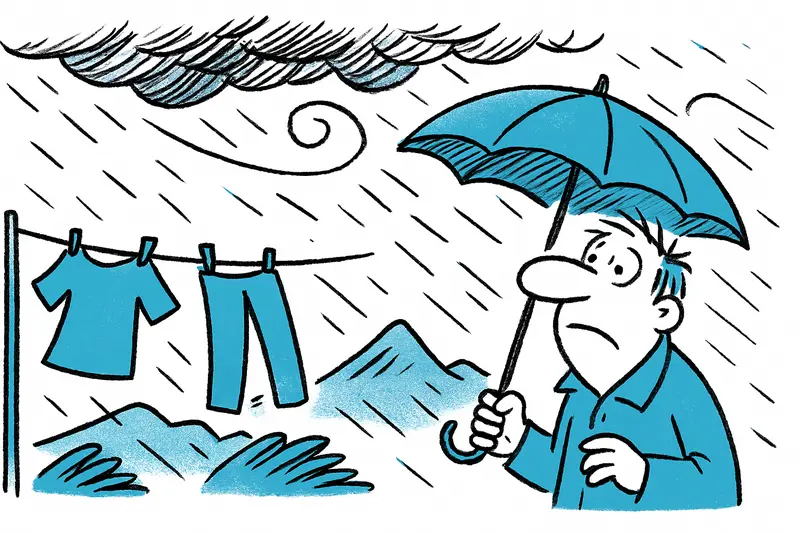
The storm 'Regina' will bring rain, thunderstorms and cooler weather from Thursday, according to Aemet. A reality check: what does this mean for roads, agriculture and public services — and what's missing from the conversation?
Regina approaches: Wind, persistent rain and Saharan dust — Is Mallorca prepared?
Key question: Is the island's preparation sufficient when wind gusts, persistent rain and Saharan dust occur together?
The weather situation in Mallorca currently feels like a rapid scene change. Just a few days ago the air smelled of almond blossom; now a grey curtain is already forming on the horizon. According to Aemet, Monday and Tuesday will remain relatively mild (daily highs around 17–19 °C), but the air is hazy: Mud Rain and Saharan Dust: Why the Weather Change Is Stirring Mallorca reports Saharan dust is hanging in the atmosphere and making the mountains look blurred. Wednesday should be the friendliest day — with up to 22 °C — before the low-pressure system 'Regina' brings rain, thunderstorms and noticeably cooler temperatures (around 16–17 °C) from Thursday.
It sounds like a standard weather situation, but the combination is where the problems lie: strong winds on exposed coasts, prolonged precipitation, mud-laden rain, and reduced visibility due to dust. And all of this happens at a time when tourism, transport and agriculture must operate simultaneously.
Critical analysis: Where things fail
First: drainage. The street gutters in Palma's old town, on Avinguda Jaume III or along the Paseo Marítimo clog quickly with leaves and dust after a short dry spell. When heavy showers then occur, parking lots and lower-lying streets can be under water within minutes; this mirrors experiences documented in Persistent Rain in Mallorca: Are We Really Prepared? Second: communication. So far Aemet has not officially issued warnings — events like the Storm alert on Friday: Is Mallorca prepared for heavy rain? show how quickly alerts can appear. The question is how quickly municipalities, transport operators and port authorities react and get information to people. Third: agriculture and open-air markets. Farmers and market traders in places like Plaça de Santa Catalina need warning time to secure harvests or protect market stalls. Fourth: mobility. Strong west to northwest winds affect ferries and coastal promenades; pedestrians and cyclists are particularly at risk.
What's missing from the public debate
At the moment many people only talk about temperature figures and pretty weather maps. Concrete guidance for everyday situations is missing: Which roads are prone to flooding? Where are emergency shelters in the event of floods? What should small boat owners in Port de Sóller or Portitxol do? What support is available for older people who are less mobile? And finally: who will clear the storm drains before the prolonged rain arrives?
A scene from everyday life
Imagine Plaça Major early in the morning. Traders are covering their stalls, the smell of freshly brewed coffee mixes with wet sand from the harbour. In the distance a loose awning rattles along the Passeig Marítim in the rising wind. That is the moment when decisions are made: quickly bringing in the laundry, leaving the supermarket, or waiting for the bus — and whether the bus will even arrive.
Concrete solutions
- Immediate measures: Municipalities should prioritise inspecting street drains and grates; larger towns can have mobile pumps on standby. - Information: A coordinated alert plan with clear instructions for commuters, boat owners, market vendors and care homes. Short, clear messages via SMS and the town halls' social media channels are more effective than long press releases. - Port and boat protection: Small boat owners should check mooring lines and discuss storm contingency plans with harbour services. - Agriculture: Temporary covers and storage areas for sensitive crops; coordination through local cooperatives. - Public transport: Bus and ferry operators should prepare alternative routes and information points at key hubs.
Conclusion — brief and to the point
'Regina' is not just a meteorological event, but a stress test for everything that needs to keep running on Mallorca: roads, markets, ports and care facilities. Weather data predicts what is coming; what matters is whether we set the right priorities and act quickly. A tip for the coming days: bring laundry indoors, check roof tiles, plan short trips — and focus not only on the temperature but on the practical consequences.
Frequently asked questions
What weather should Mallorca expect when Regina arrives?
Is it safe to go to the beach or walk the coast in Mallorca during strong winds?
Does Saharan dust affect Mallorca when it rains?
What should I do in Mallorca before heavy rain and storms?
Which parts of Palma are most vulnerable to flooding during rain?
How does bad weather affect ferries and small boats in Mallorca?
What does rainy weather mean for markets and farmers in Mallorca?
What can visitors do in Mallorca if the weather turns wet and windy?
Similar News
Magaluf: Watchtower Alarm – Lifeguards Pull Unconscious Beachgoer from the Water
After a drama in the late afternoon, two lifeguards at Magaluf beach rescued an unconscious 44-year-old man. He was stab...

Turquoise in the City: How dangerous is the color play of the Sa Riera?
The Sa Riera in Palma suddenly turned turquoise — a pretty motif, but behind the effect lies a discharge of saline waste...

Jeckliner at Sunnesching: Cologne spirit sets sail from Palma
In September 2027 the Mein Schiff 2 briefly becomes a floating carnival stage: four days with Cologne bands, comedy and ...
Finally Home: Mike and Leyla Heiter Buy Villa with Sea View in Mallorca
The reality TV couple Mike and Leyla Heiter have bought a house in Mallorca with a roof terrace and sea view. An Instagr...

Arrest after series in Palma: Who protects apartments from repeat offenders?
The National Police arrested a man in Palma who investigators say may have broken into several apartments. In one incide...
More to explore
Discover more interesting content

Can Cap de Bou

Townhouse Lleo 72
