
In Caimari, children generate electricity with their own muscle power
In Caimari, children generate electricity with their own muscle power
On the sports field next to the school in Caimari, 58 fifth- and sixth-graders learned how pedal power becomes electricity, why recycling is important and how electric vehicles work. A sunny, lively morning with regional fruit and pepper seedlings.
In Caimari, children generate electricity with their own muscle power
Energy BYD Challenge brings hands-on environmental education to the village
On Tuesday morning the football pitch next to CEIP Ses Deveres in Caimari filled with voices, squeaking tires and the occasional ring of the village church bell. Around 58 fifth- and sixth-grade pupils from Caimari and Selva had arrived, accompanied by their teachers — aboard a school bus, as is still common in the countryside here.
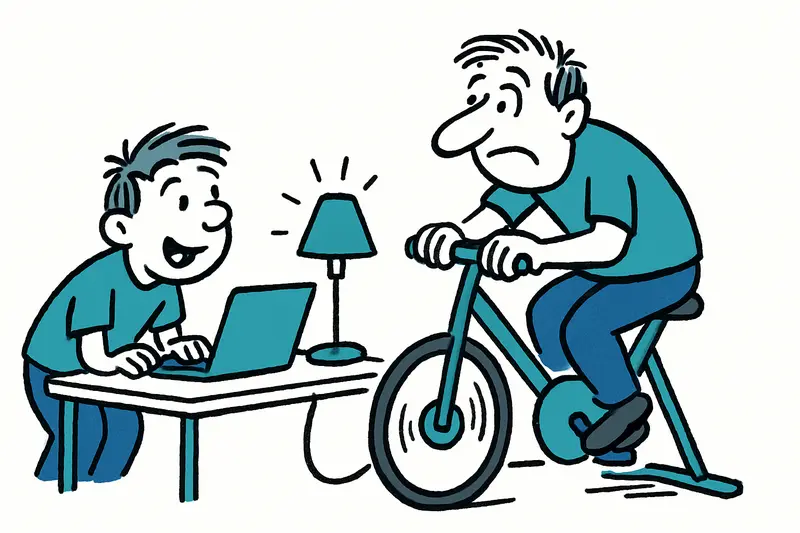
The event was part of the Energy BYD Challenge tour through Mallorca's villages. Six stationary bicycles were set up on the pitch where the children could try out how muscle power is converted into electric current. Phones and laptops lit up, small lamps turned on, and the principle became tangible: energy does not only come from large installations but also from movement.
Next to the pedal course there was a creative station where the children drew poster designs for the challenge's next stops. In quiet audiovisual areas topics such as sustainable mobility, paired with reporting such as Ports Plan Shore Power — Who Pays for Mallorca's Clean Ferries?, the basics of renewable energies and forest management were explained in an age-appropriate way. The whole setup was practical: a BYD electric car and a small electric tricycle for carrying tools were open for inspection — tangible examples that provoked questions and encouraged reflection and linked to wider electric conversions like A man from Bremen, his boat and the new heartbeat: how a sailboat in Mallorca quietly went electric.
The organizers rounded off the program with a recycling workshop, offered sports activities and provided a catering station with regional fruit. As a participant gift, each child was allowed to take a pepper seedling home — a small task to continue at home and talk with their family about what was learned today.
Mayor Joan Rotger was also on site. He made the municipal administration's stance clear: investments in sustainable energies are part of local planning, from street lighting to the renovation of public buildings. Similar investments are documented in Cala Millor modernizes sports facilities — opportunity or burden for the community?. Such actions are meant not only to inform but to empower pupils to share knowledge within their families — an idea that could be heard repeatedly on the village square during conversations between teachers and parents.
Notably positive was the mix of partners: alongside the municipality of Selva, various initiatives and companies collaborated — including institutions from the energy sector, regional supporters, plant nurseries and manufacturers of electric vehicles. This cooperation made clear that environmental education in Mallorca works best when administration, business and educational institutions pull together.
For Mallorca this is more than a friendly event: it is a practical way to spark early interest in renewable energies and link everyday actions like recycling or saving energy with concrete experiences. Children who have learned how difficult it is to power a device with their own strength gain a different sense of the value of energy.
At the end of the morning the children left the pitch with flushed cheeks, some still excited from pedaling, others with the seedling in hand, ready to garden at home. Such small, immediately tangible moments linger: in the coming months parents, neighbors and teachers will hear the children's stories — and that is exactly the kind of spread that sparks sustainable change.
Outlook: More stops like this in smaller communities would strengthen the network of understanding for local energy solutions. Practical activities, combined with concrete examples like electric vehicles or making electricity visible through pedal power, are a recipe that works in Mallorca — straightforward, sunny and with a touch of the Tramuntana at your back.
The Energy BYD Challenge in Caimari showed that morning that environmental education does not have to be didactic. It can be loud — with children's laughter, bicycle bells and the rustle of pepper leaves — and still achieve something important.
Frequently asked questions
How can children generate electricity by cycling in Mallorca?
What is the best age for children to learn about renewable energy in Mallorca?
What do children do in a Mallorca school workshop about sustainability?
Is Mallorca a good place for children to learn about electric cars and clean mobility?
What was the Energy BYD Challenge in Caimari?
How does Caimari fit into local sustainability efforts in Mallorca?
What did the children in Caimari take home after the workshop?
Why are village schools in Mallorca often used for environmental education?
Similar News
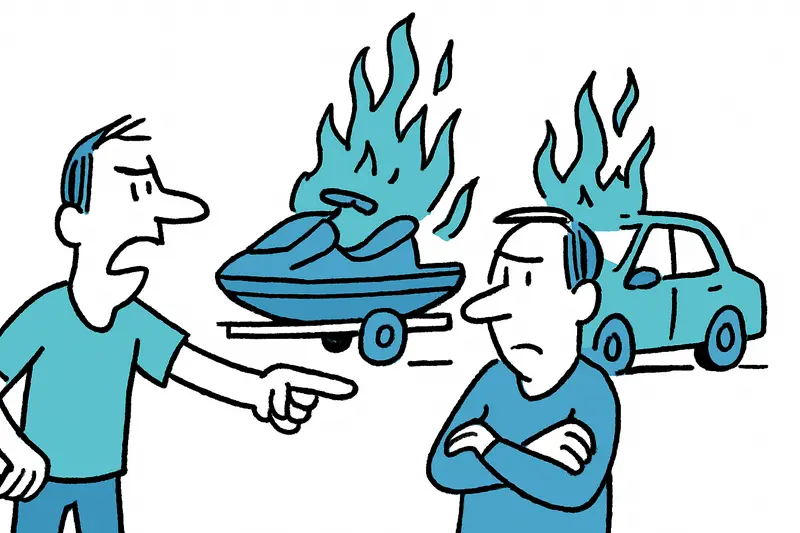
From Deposit to Arson: How a Dispute over Jet Skis in El Molinar Escalated
After a nighttime fire in El Molinar a detainee is in pretrial detention. How could a conflict between a rental company ...
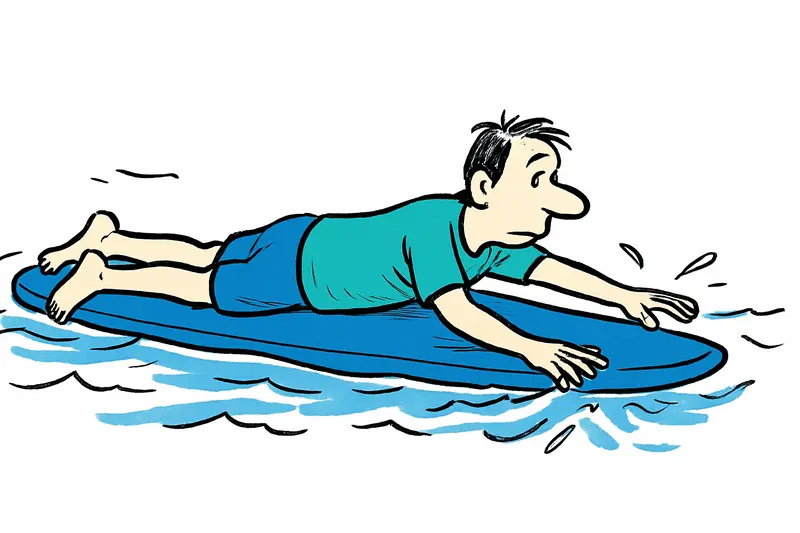
Lying Instead of Standing: How Prone Paddling Is Conquering Mallorca's Waters
On your belly across the sea — prone paddling is bringing fresh energy to Mallorca's watersports. Where to start, which ...
Housing Shortage in Mallorca: Assessment, Questions, Proposals
Over 2,000 new housing units through repurposing and special rules – sounds like a success. But do they really help peop...
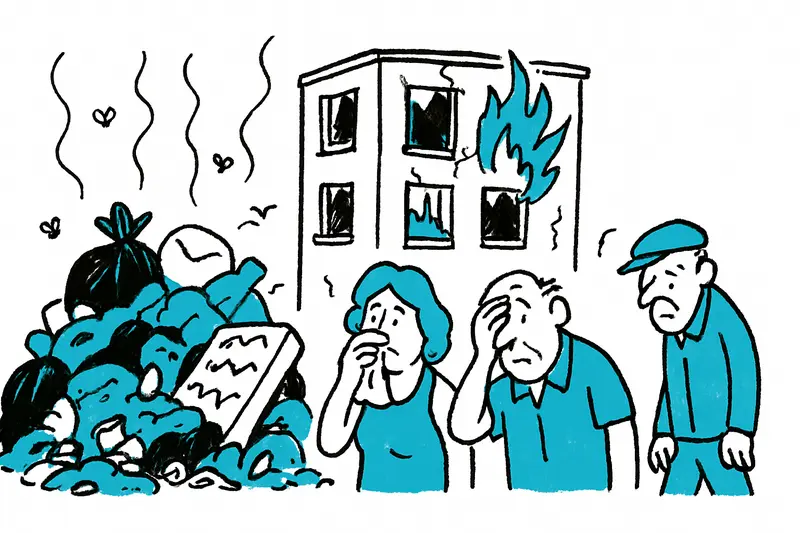
Garbage, Stench, Fire Risk: What Is Really Going Wrong in Son Bauló
An apartment ensemble illegally built for years near Son Bauló is falling into disrepair, largely occupied and creating ...

Legat on Mallorca: Between Football Dreams and Political Alarm
The former pro is intervening in German politics from Mallorca – loud, emotional, without much detail. What does that br...
More to explore
Discover more interesting content

Boat Tour with BBQ along Es Trenc Beach
Private transfer from Mallorca Airport (PMI) to Pollensa
