
200 euros extorted — Tourist attacked at Playa de Palma: What needs to be done now
200 euros extorted — Tourist attacked at Playa de Palma: What needs to be done now
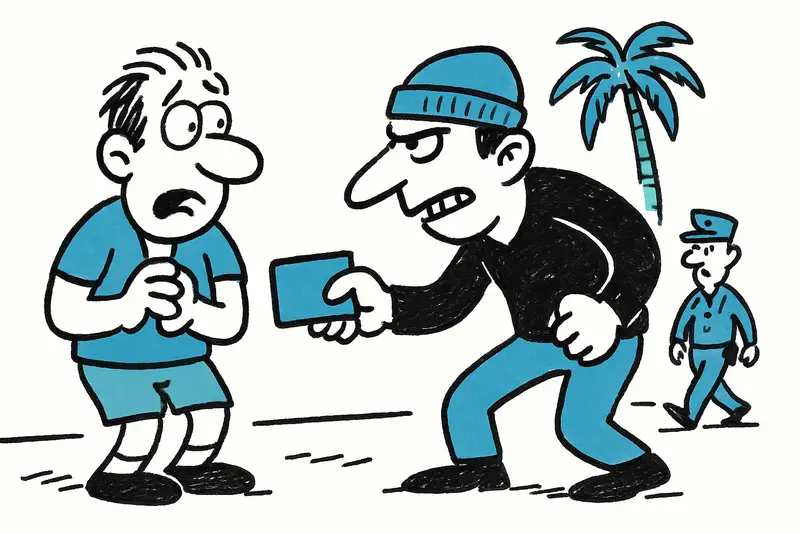
At Playa de Palma a tourist was attacked by four young people. His phone was stolen and the attackers demanded 200 euros as ransom. The National Police identified suspects and the device was returned. Our reality check explains why such assaults occur and what measures are needed now.
200 euros extorted — Tourist attacked at Playa de Palma: What needs to be done now
Guiding question: Why do attackers repeatedly manage to assault guests on the open street — and how can this be prevented?
Last Friday morning, at a busy corner near América Avenue and the Playa de Palma promenade, an encounter escalated that ended painfully for a holidaymaker: four young people are said to have attacked him, picked up his phone from the ground and then demanded 200 euros as a "return" price. Shortly afterwards the man, accompanied by a patrol of the National Police, was able to identify the suspects and retrieve his device. These are the known facts. The deeper questions remain open.
The scene is familiar here: the sound of the distant sea, seagulls, voices from beach bars, delivery vans rattling along the small streets. Tourists and seasonal workers mix with residents — a lively jumble in which distraction and crowding create opportunities. Such environments are ideal for pickpockets and attackers: a short element of surprise, a quick getaway, and witnesses are hard to find. That an attacker then phones to demand ransom has become almost banal, but it is by no means harmless, as described in Nighttime escalation at Playa de Palma: When a mobile phone leads to a home takeover.
Critical analysis: The police acted correctly when they used the description and checked the group at the hotel entrance. But that only works reliably if victims report immediately and officers arrive quickly. Many incidents go unreported — out of fear, lack of time, or because tourists think the effort is not worth it. Similar rapid responses have led to arrests in other cases, for example Arrests after threats at the city beach: Why an evening stroll must become safer again. Visible presence alone is not enough: coordinated prevention, clear information channels for guests and simple reporting processes are needed.
What is missing in the public debate: First, an honest assessment of how often such assaults really occur — case numbers rise regionally during the summer season, but too often coverage remains isolated reports without context, such as Nighttime Attack on the Paseo Marítimo: How Safe Is Palma’s Party Mile Really?. Second, little is said about the role of hosts, hotel and bar staff: they are often the first witnesses and could intervene faster if they were trained. Third: practical information for tourists is lacking — in which language do I report a theft, where can I go, how do I secure evidence?
Everyday scene in Mallorca: a hotel receptionist on a late morning, the weather warning mutes on the TV, a nose in a coffee cup, while guests arrive at the entrance with wet beach towels and rolling suitcases. A hotel worker watches a group of youths who seem overly loud. No one immediately calls the police; instead the situation is often handled internally — a lost time window for securing evidence, as in reports such as Robbery at Can Pere Antoni: Why this incident reverberates — and what needs to happen now.
Concrete solutions that could work locally: 1) More visible foot patrols by the National Police and Local Police during peak times at beach access points and on América Avenue. 2) Multilingual signs and leaflets in hotels and beach bars: how to report a crime, which number to call, which information is important (location, time, description). 3) Training for hotel and bar staff: short modules once before the season with clear rules of conduct. 4) Rapid reporting stations: a visible, easily accessible "tourist safety office" at selected beach sections, also serving as a contact point for lost items. 5) Promotion of technical aids: secure smartphone apps for emergency calls and location sharing, partnerships with hoteliers for safekeeping valuables against a record. 6) Use of CCTV where legally possible and sensible — always with clear rules on storage and police access, not as general surveillance.
One last point: responsibility does not lie with the authorities alone. Hosts, beach-bar operators, tour operators and guests must cooperate. A simple note at check-in, an emergency number on the room card, a watchful look from a bar manager — it all adds up. Those who live here know the sound of the night buses, the early cleaning vehicles and the small scuffles between strangers. Practical knowledge can be distilled from that.
Conclusion: The incident at Playa de Palma shows that police identification and returns can work. But that is piecemeal. If we want guests to be safer, we must create concrete structures: visible presence, simple reporting channels, training and small technical aids. That costs money and requires coordination — between the National Police, Local Police, hotels and businesses. In short: the police are important, but without the cooperation of the local community it remains a patchwork. Anyone walking down América Avenue in Palma in the morning can already see what needs to be done — now we must get to work.
Frequently asked questions
What should I do if I’m robbed or threatened at Playa de Palma?
How can tourists protect themselves from theft in busy parts of Mallorca?
Is Playa de Palma safe for tourists in Mallorca?
What information do I need when reporting a theft in Mallorca?
What should hotels in Playa de Palma do when a guest is attacked?
Can police in Mallorca recover a stolen phone?
What time of year is street theft more common in Mallorca?
Do tourists in Mallorca need a special safety office or place to report crime?
Similar News
Mini-tsunamis in Mallorca: Harmless natural phenomenon — or an underestimated danger?
Two harbor towns in Mallorca recorded unusual water level fluctuations. An analysis: How rissagas form, who is at risk —...
Stinging jellyfish in Cala Banyalbufar: Why everyone suddenly fled the water
In Cala Banyalbufar, Pelagia noctiluca washed up in droves. A personal account of why this is no coincidence, what is of...
New low-pressure trough brings rain — and the heat remains: What's missing in Mallorca?
A short, intense window of showers hit Mallorca, yet the air remained muggy and warm. Key question: Why does rain hardly...

Klaus-Michael Kühne has died: The entrepreneur who gave Mallorca a second home
He first arrived on the island at 60; later the holiday house became Castell Son Claret – a hotel, a music venue and an ...

Buying Instead of Moving Away? Why Every Fourth Property Owned by Balearic Residents Isn't Located Here
Almost a quarter of the apartments purchased by Balearic residents are located on the Spanish mainland. A concise analys...
More to explore
Discover more interesting content

Boat Tour with BBQ along Es Trenc Beach
Private transfer from Mallorca Airport (PMI) to Pollensa
