
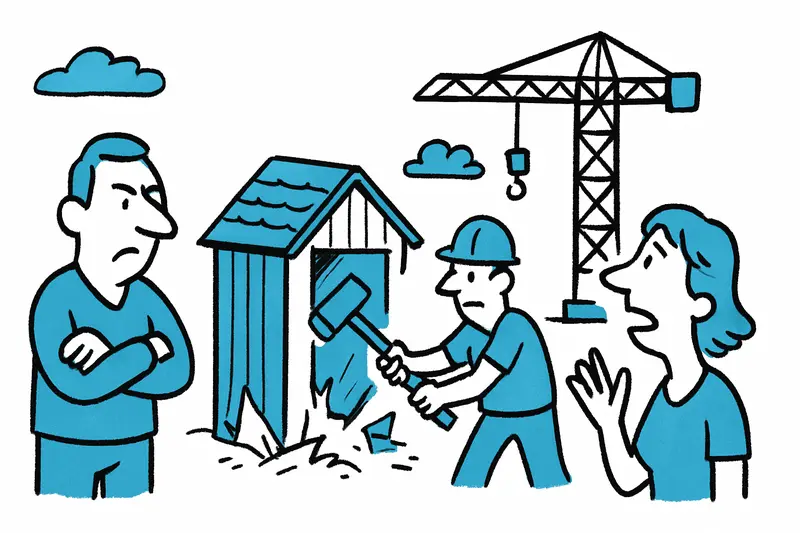
Cala Rajada in Transition: Demolition, Construction Noise and the Question of the Common Good
The demolition of the beach shack at Son Moll, the large harbour development plans and the noise disturbance raise the question: Who decides the character of a holiday resort — the administration, investors, or the people who live there?
Cala Rajada in Transition: Demolition, Construction Noise and the Question of the Common Good
Key question: Who benefits from the changes to this place — residents, visitors, or public coffers?
On a walk on a cool spring afternoon the first thing that stands out is the cleared space at Son Moll beach: where a small beach hut stood for years there is now churned sand and broken concrete. The hut is gone because the old concession had expired and could not be continued. Similar debates over demolition and public interest have unfolded elsewhere, for example in The End of Son Dureta: Demolition Creates Space — But at What Cost?. The municipal administration of Capdepera plans a removable bar at the same spot, which is supposed to open later this season. That explains a lot, but not everything.
The second construction site is the harbour. Under the supervision of Ports IB a large restaurant with a modern terrace and sea views is being built there. The scale is clear: the tender foresees an annual lease payment (€70,000) and significant investments in interior design — figures that send signals about the kind of offering being targeted. Detailed coverage is available in Construction begins in Cala Ratjada: Opportunity for the harbour or a disruption?. Work is ongoing, it is loud, and residents as well as tourists must prepare for weeks of noise. A comparable situation of construction disturbing tranquil coves is chronicled in Dream cove amid construction noise: s'Estany d'en Mas between pines and concrete. Whether everything will be ready by summer remains open.
Anyone who walks along the promenade notices the town's double face. For long stretches everything is clean, the paths are well maintained, graffiti are hardly visible. The old “Sea Club” looks freshly spruced up and attracts looks. At the same time some culinary gems and a local gallery have closed; they made way for other concepts or disappeared entirely. Some terraces are already well attended, other venues open later in the season. This shows: Cala Rajada is not hibernating, it is rearranging itself.
A down-to-earth everyday observation: on the promenade a Bavarian family sits on a wall, the children play, the parents roll their eyes as the jackhammers start. Further inside, in a shady side street, a restaurateur counts the dishwasher costs and offers the cheeseburger for four euros — the gap in prices is tangible. This conveys how different economic realities and the tourist façade exist side by side here.
Critical analysis: The measures of the municipality and the harbour authority are legally justifiable; expiring concessions must be regulated, and investments in harbour infrastructure can create jobs. Still, it remains unclear how transparently these decisions were prepared. Who benefits from long-term lease contracts at high sums — large operators or local entrepreneurs? And who pays the price for construction projects that change the townscape and the noise situation for weeks?
What is missing from the public discourse: the discussion usually focuses on “reopening” or “investment volume”. Hardly heard is how local tenants and seasonal workers were involved in the planning. There is also a lack of a clear presentation of the consequences for the visitor structure: will more expensive concepts displace mid-range holidaymakers? Who decides on the balance between tourist profit and everyday quality of life for locals?
Concrete approaches: First, construction times and noise levels should be bindingly regulated — largely avoiding work on weekends and in the evenings. Second, the municipality can give priority to local operators in tenders or at least ensure transparency about selection criteria. Third, a medium-term strategy for beach concessions is advisable that considers heritage protection, local identity and economic viability. Fourth: a citizens' forum or regular office hours on site where neighbours, restaurateurs and operators can ask questions and raise objections.
A practical example: a removable beach bar as a temporary solution is sensible — it maintains service for bathers and gives time for a well-considered reallocation of the site. At the same time the new solution should reflect the local culture in language and design — a sign only in a foreign language quickly feels alienating.
What would do Cala Rajada good now: better communication from those responsible, fixed quiet hours during the main season and funding criteria that favour small businesses. This way the town could open up to investment without losing its character.
Punchy conclusion: Construction sites and demolitions are not inherently bad — they are part of change. It becomes problematic when decisions are made solely on the basis of financial considerations or large projects and the people who live and work here lose out. Anyone who wants to build in Cala Rajada should first ask: which image of “our place” should we still be able to recognise tomorrow?
Frequently asked questions
Why is there construction noise in Cala Rajada right now?
Can you still go to Son Moll beach in Cala Rajada during the works?
What is being built in the harbour of Cala Rajada?
Is Cala Rajada still a quiet place to stay in Mallorca?
What should holidaymakers know before visiting Cala Rajada this season?
Why was the old beach hut at Son Moll removed?
How are locals affected by redevelopment in Cala Rajada?
Will Cala Rajada change a lot by summer?
Similar News

Rental Car Theft in El Arenal: What This Incident Reveals About Our Gaps
A teenager steals a running rental car in El Arenal, flees on foot, climbs over walls and is caught by the Guardia Civil...
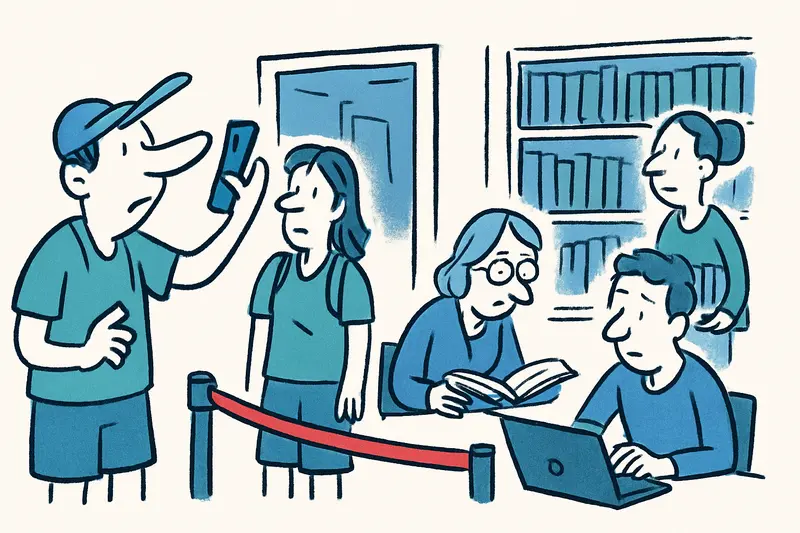
Red Rope in Palma's Library: What Helps Against Selfie Tourism — and What's Missing
Palma's city library cordoned off an area with a red rope to keep selfie tourism away from reading and working activitie...
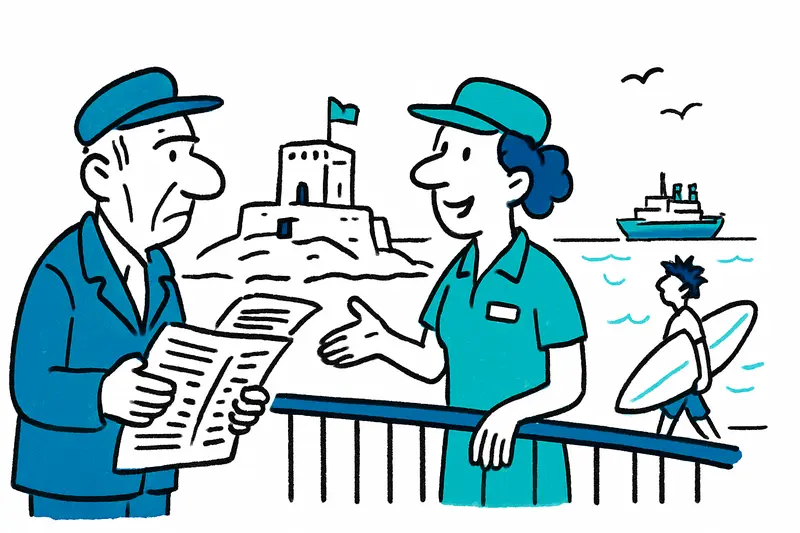
Fort San Carlos: Museum, Harbor Dispute — and a Conflict That Demands Answers
The military museum at Fort San Carlos sits right on Palma's harbor, with unexpectedly quiet rooms filled with cannons a...
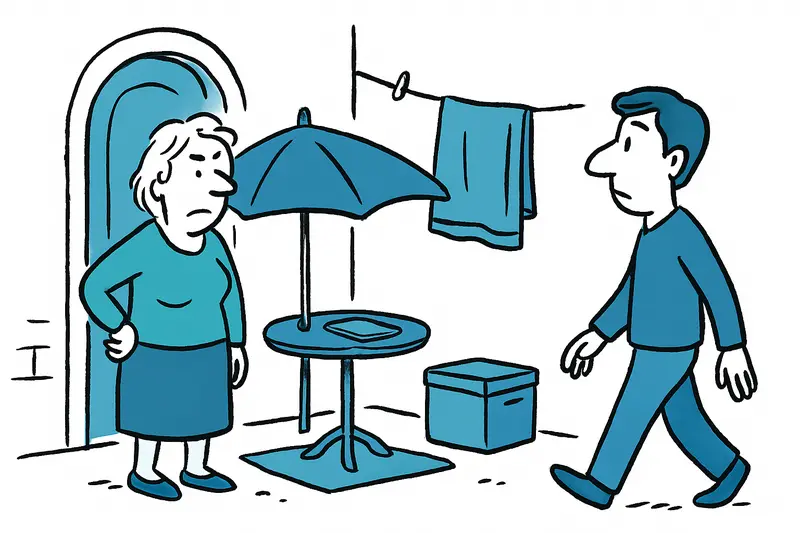
Old Town Under Pressure: When a Doorway Becomes a Sleeping and Shower Place
For months a woman has been living with a parasol, a clothes rack and personal belongings next to the social welfare off...
When Shopping Weighs Heavier: Mallorca Demands a Tax Pause on Food and Fuel
Rising prices are putting pressure on households and agriculture. The Balearic Islands are calling for temporary tax rel...
More to explore
Discover more interesting content

Can Cap de Bou

Townhouse Lleo 72
