
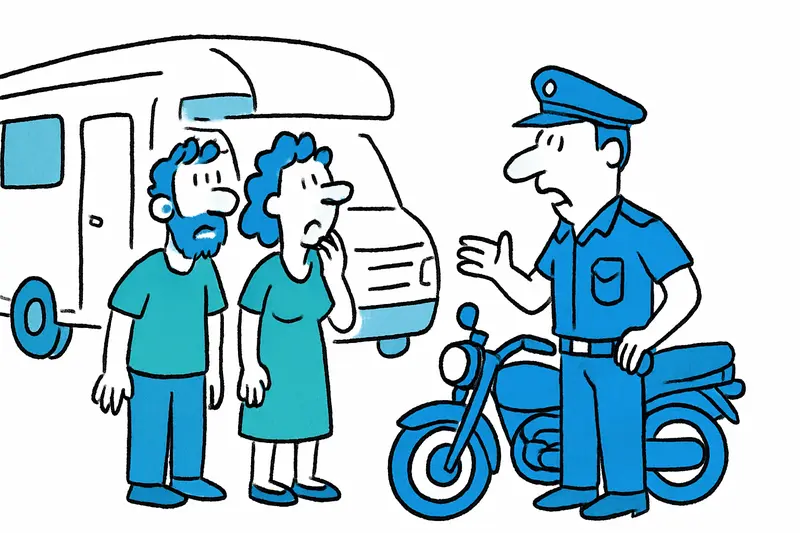
Caravan and Motorcycle in Son Malferit: One Case, Many Questions
Caravan and Motorcycle in Son Malferit: One Case, Many Questions
In early December the Policía Local in Son Malferit discovered a stolen caravan and a motorcycle — apparently occupied by a couple. Why such finds occur repeatedly and what Palma should actually do remains unclear.
Caravan and Motorcycle in Son Malferit: One Case, Many Questions
In early December officers in the Son Malferit industrial area came across something that is no longer entirely surprising in Palma: a caravan and a motorcycle parked next to it, both reported stolen. A couple apparently lived in the caravan. Neither could give a convincing explanation for the provenance of the vehicles; the items were returned to their owners.
Key question
Why do stolen vehicles repeatedly find refuge in such places, and what does that say about gaps in prevention and control on Mallorca?
Critical analysis
The discovery in the industrial area at first glance reads like a classic police report: check — find — return. Anyone who drives through Son Malferit in the morning knows the combination of rolling warehouse doors, the metallic clatter of forklifts and the occasional rumble of motorcycles, as highlighted in Fatality in Son Castelló Accident – Fleeing Car Occupants Raise Many Questions. In these marginal zones two problems lurk: parked vehicles are less visible here, and people who live in caravans quickly come under investigative scrutiny without their backgrounds being examined. So it is not just about protecting property, but also about a complex interface of theft, migration, housing issues — as explored in When Caravans Become the Last Address: How the Housing Crisis Is Changing Mallorca — and organized crime — at least according to the pattern the scene often suggests.
What is missing from many reports is a look at the procedures after seizure: How quickly can owners be verified? How long do administrative processes take until ownership is clarified? Such delays are fertile ground for mistrust — both among victims and residents who suddenly find themselves witnessing a police operation at night.
What is missing from the public discourse
The discussion often stays on the surface: accusations, arrests, brief notices. Structural questions are rarely asked: How do parking areas for caravans work? Are there registered and guarded lots? How good is the cooperation between police departments, port controls and vehicle registration authorities? On Mallorca, where tourism, temporary living arrangements and logistics sit side by side, answers to these questions are needed — not just images of returned vehicles.
Everyday scene from Palma
Imagine: it is a cold morning, the sun hangs low over the bay of Palma, the cries of seagulls mix with the beeping of a forklift. At the entrance to the business park stands a caravan, its curtains half-drawn. A couple prepares coffee on a small camping stove. No one shouts, no one runs away — and yet the scene ends with handcuffs in another report, as the coverage in Spotlight on Son Castelló: Why the occupants fled — and what the municipality must do now. Such encounters are visible in everyday life; they deserve more context than just headlines.
Concrete solutions
1) Rapid ownership checks: Mobile units that compare registration and theft databases on site would inform owners faster and secure chains of evidence. 2) Secure parking areas: Municipalities could create guarded and registered parking zones for caravans instead of vehicles spending the night in industrial areas. 3) Coordination among control agencies: Cross-checks between port controls, municipal parking supervision and vehicle registration authorities can close loopholes. 4) Preventive education: Raise owners' awareness — simple measures like marking/encoding, secure trailer couplings and neighborhood checks help. 5) A social perspective: If people live in caravans, social services should be involved more quickly to separate housing and support issues from pure law enforcement measures.
Conclusion
The find in Son Malferit is more than a report about returned goods. It is a mirror: Mallorca needs a combination of fast, networked policing and municipal offerings so that stolen vehicles do not become normal in industrial areas — and people living in precarious situations are not seen only as a problem. In short: control yes, but with sense and swift administration.
Frequently asked questions
Why are stolen vehicles sometimes found in industrial areas in Mallorca?
What happens when police in Mallorca find a stolen caravan or motorcycle?
Can people legally live in a caravan in Mallorca?
What should I do if I suspect a vehicle in Mallorca is stolen?
Why are stolen vehicles in Palma sometimes linked to caravans?
How can vehicle owners in Mallorca reduce the risk of theft?
What role do Mallorca’s industrial areas play in public safety?
Why do people ask for better caravan parking areas in Mallorca?
Similar News
Released with Conditions: The Plus Ultra Suspicion and a Mallorcan Finca as Residence
A Dutch entrepreneur, sought in connection with the Plus Ultra case, was extradited to Spain after his arrest in Germany...

Haute Nuit in Puerto Portals: Fashion, Art and Indulgence by the Water
On October 2 the Lobster Club in Puerto Portals will be transformed into a stage for curated fashion, art and culinary e...
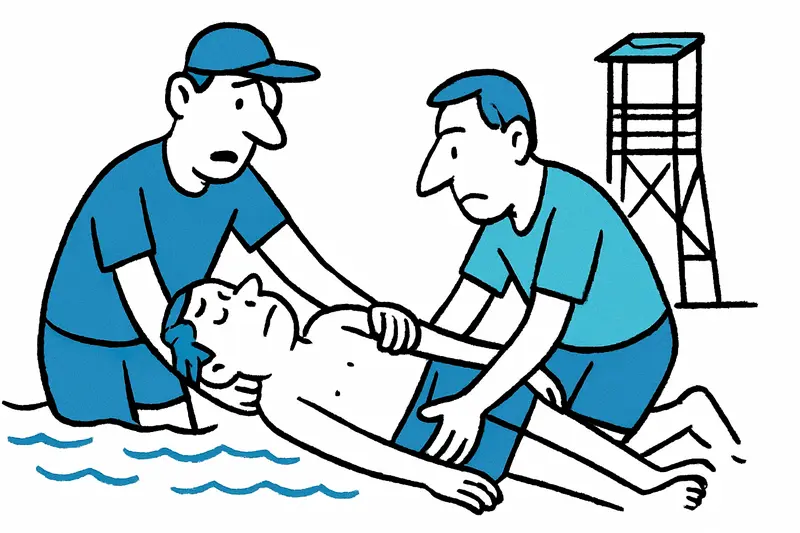
Magaluf: Watchtower Alarm – Lifeguards Pull Unconscious Beachgoer from the Water
After a drama in the late afternoon, two lifeguards at Magaluf beach rescued an unconscious 44-year-old man. He was stab...
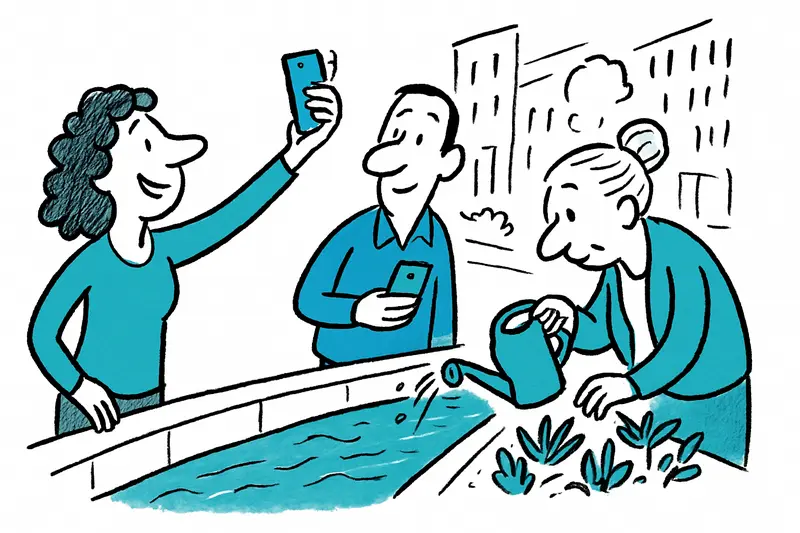
Turquoise in the City: How dangerous is the color play of the Sa Riera?
The Sa Riera in Palma suddenly turned turquoise — a pretty motif, but behind the effect lies a discharge of saline waste...

Jeckliner at Sunnesching: Cologne spirit sets sail from Palma
In September 2027 the Mein Schiff 2 briefly becomes a floating carnival stage: four days with Cologne bands, comedy and ...
More to explore
Discover more interesting content

Can Cap de Bou

Townhouse Lleo 72
