
Less Fire, More Awareness: Balearic Islands Report 82 Wildfires in 2025
Less Fire, More Awareness: Balearic Islands Report 82 Wildfires in 2025
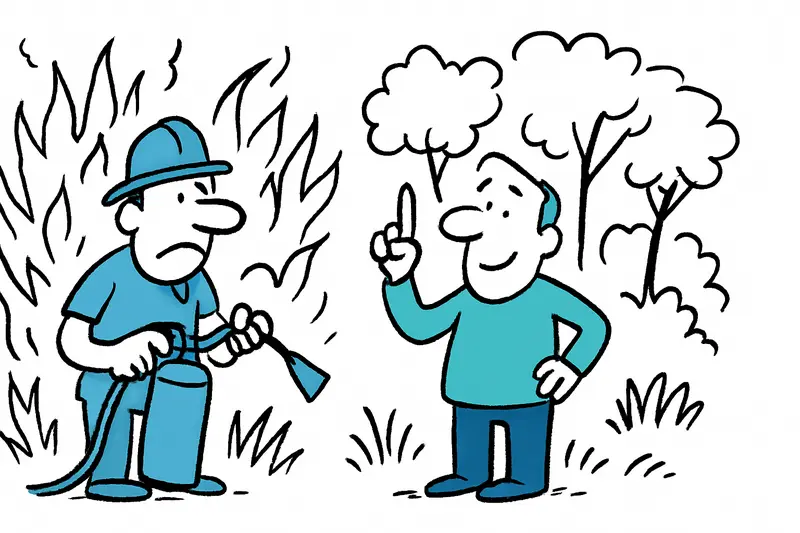
The Balearic Islands recorded only 82 wildfires in 2025 — the second-lowest number since records began. Good news for Mallorca, but not an invitation to complacency.
Less Fire, More Awareness: Balearic Islands Report 82 Wildfires in 2025
A cautious reason for relief — and a call for vigilance
In the early morning in Palma, when the garbage collection still rattles along Carrer de Sant Miquel and the first delivery vans stop at the Paseo del Borne, there is on some days a faint scent of pine resin in the air. This winter that smell sounds more reassuring than it did a few years ago: in 2025 the Balearic Islands registered only 82 wildfires, about 17 hectares were affected in total. According to available records since 1974, this is the second-lowest annual figure.
On Mallorca alone 39 fires were counted, on Ibiza 26. Regional authorities attribute the good record primarily to prevention, better coordination between emergency services and the rapid response of fire and rescue teams — a view many locals would also confirm; local reporting has highlighted such coordinated responses in Mallorca on Alert: Highest Wildfire Warning Level and Scorching Heat – What to Do Now.
These are concrete reliefs: fewer fires protect olive groves, almond trees and the Mediterranean holm oak forests that give the islands much of their character. In everyday life this means trails are less frequently closed, tourist viewpoints remain open and residents do not have to go to bed worried about their orchards after hot, windy days.
But: good numbers today are no guarantee for tomorrow. The climate remains unpredictable, summers tend to be drier and vegetation can ignite more quickly. It is therefore not enough to rest on these successes. What is often lacking in public discussion is the long-term securing of measures: stable budgets for fire stations outside the season, systematic maintenance of forest edges along roads, coordinated response plans between municipalities and aerial support even for remote valleys.
A simple everyday impression from Portocolom: residents who spend evenings on the village square know exactly which neighbors pay special attention to their properties. This local networking, combined with technical means such as drone surveillance, smoke detectors in forest areas and better signage on high-risk paths, could detect fires even earlier; authorities have warned of elevated alert levels in Alarm Level 4 in the Balearic Islands: Why Every Spark Counts Now.
Concrete steps that also have an effect at the grassroots level: regular patrols in the months of higher risk, clear rules for barbecue sites and fireworks, as well as information campaigns in multiple languages for seasonal workers and tourists. The reopening of barbecue areas at the end of the season was discussed in Wildfire Season in Mallorca Officially Over — Relief with Reservations.
For Mallorca this means: the 2025 record is a reason to be happy, not complacent. The island can leverage its lead if municipalities continue to invest in training for volunteer fire brigades and agricultural areas are managed so that firebreaks are created. Especially in small towns like Valldemossa or Llucmajor a networked approach can protect lives and land.
Finally, a small, personal note: someone who walks up the Puig de Randa on a frost-clear morning sees the landscape wake up gradually. That silence, not interrupted by sirens, is a gift. We should make sure it remains — through vigilance, preventive work and respectful cooperation between residents, tourism and authorities.
Conclusion: 82 recorded fires in 2025 are a success for the Balearic Islands, especially for Mallorca. The situation shows that prevention and rapid response work. Now it is important to secure ongoing measures, combine technology and local attention, and remain cautious in everyday life.
Frequently asked questions
How many wildfires were recorded in Mallorca and the Balearic Islands in 2025?
Is it still safe to hike in Mallorca after a wildfire season?
When is wildfire risk highest in Mallorca?
What should I do if Mallorca has a high wildfire warning?
Why has Mallorca had fewer wildfires recently?
Are barbecue areas in Mallorca open all year?
What can residents in Mallorca do to reduce wildfire risk around their homes?
Which parts of Mallorca are especially worth watching during wildfire season?
Similar News
Released with Conditions: The Plus Ultra Suspicion and a Mallorcan Finca as Residence
A Dutch entrepreneur, sought in connection with the Plus Ultra case, was extradited to Spain after his arrest in Germany...

Haute Nuit in Puerto Portals: Fashion, Art and Indulgence by the Water
On October 2 the Lobster Club in Puerto Portals will be transformed into a stage for curated fashion, art and culinary e...
Magaluf: Watchtower Alarm – Lifeguards Pull Unconscious Beachgoer from the Water
After a drama in the late afternoon, two lifeguards at Magaluf beach rescued an unconscious 44-year-old man. He was stab...

Turquoise in the City: How dangerous is the color play of the Sa Riera?
The Sa Riera in Palma suddenly turned turquoise — a pretty motif, but behind the effect lies a discharge of saline waste...

Jeckliner at Sunnesching: Cologne spirit sets sail from Palma
In September 2027 the Mein Schiff 2 briefly becomes a floating carnival stage: four days with Cologne bands, comedy and ...
More to explore
Discover more interesting content

Can Cap de Bou

Townhouse Lleo 72
