
Catamaran on the Rocks: Who Pays for the Damage — and Who Protects the Sea?
Catamaran on the Rocks: Who Pays for the Damage — and Who Protects the Sea?
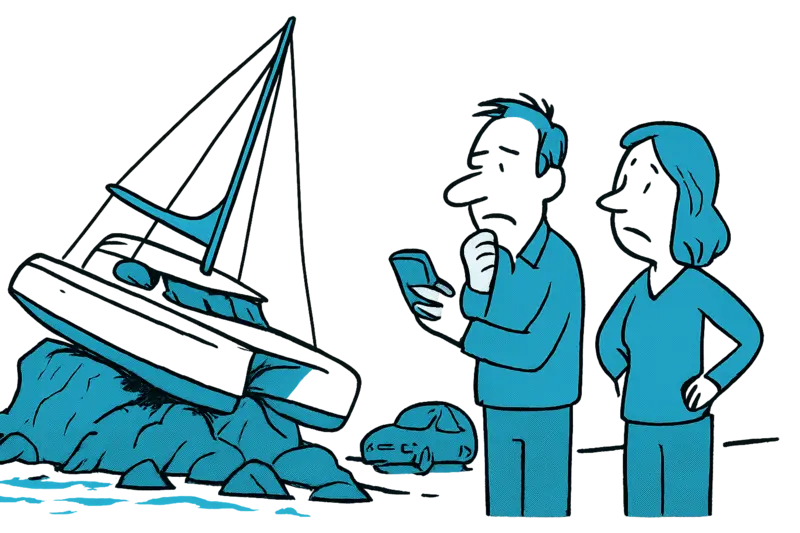
A sailing catamaran has been lying on the cliffs near Ibiza since the last storms. The images show more than a stranded boat: the issue is responsibility, environmental risks and the question of who is in charge of salvage and prevention.
Catamaran on the Rocks: Who Pays for the Damage — and Who Protects the Sea?
After the storm, a boat lies on the cliffs near the port of Ibiza. More questions remain than answers.
Key question: Who bears responsibility when a recreational boat is pushed against the coast during a storm — the owner, the harbor operator or the authorities who should have warned about the conditions?
The scene is familiar to islanders: people stop on the road towards La Mola, pull out their phones, listen to the surf and feel the salty wind. A white catamaran lies tilted on the rocks, hulls creaking softly with each wave. Cars pull over; some whisper about the crew, others shake their heads and worry about the next oil leak or damaged seabed.
In short: the image is not just a photo opportunity. It is a small disaster that makes several problems visible at once. That the boat was pushed against rocks during strong winds fits the storm patterns of recent days. What is open, however, is how to remove it again, who will pay the costs and how large the danger is to the coast and the sea.
Critical analysis: the immediate danger is mechanical damage to the hull and the possible release of fuel or operating fluids. If a vessel remains stuck for a long time, the risks for local marine life and the coastline increase. Salvage also costs money and personnel; in unfavorable winds and waves an operation becomes dangerous and expensive. Many questions remain unanswered: Is there insurance that covers such cases? Who reported the incident first — a resident, the harbor authority or the crew themselves? And did no one attempt to salvage the boat in calmer weather? Similar concerns about responsibility and rapid response were highlighted in Drunk Boats, Battered Bays: When Private Boat Rentals Put Mallorca's Coasts at Risk.
What is missing in public discourse: so far the focus is often on spectacular images. Rarely does the conversation address chains of responsibility and prevention. There is a lack of clear information on ownership status and an expert assessment of environmental risks. There is also no plan for how harbors and coastal infrastructure can be better protected against the increasing force of autumn storms. The debate should not only single out individual blame, but name systemic weaknesses: How are berths secured, what emergency plans do small marinas have, and what role does monitoring of weather warnings play? Local incidents such as Conflict in Banyalbufar's Cala: When Is Enough Boat Traffic Too Much? and When the Catamaran Came in Too Far: Banyalbufar and the Question of Who Shares Mallorca's Coasts illustrate these debates.
Everyday scene from Mallorca: on the Passeig de Born in Palma you see similar images after storm events — souped-up motorboats with broken cleats, fishermen checking their nets, and cafés where people follow the conversation about lost buoys over espresso. Such moments are a reminder: the islands live from the sea and at the same time depend on functioning maritime infrastructure.
Concrete solutions:
1) Immediate measures for the current incident: establish a restricted zone, prevent pollutants (deploy oil booms), inspection by technical assessors at the next weather lull and coordinated salvage operations in cooperation between the harbor administration and professional salvage firms.
2) Clearer rules of responsibility: a publicly accessible register showing who is responsible for moored, managed and unattended boats. In cases of damage, contact chains and responsibilities should be quickly identifiable so operations are not delayed.
3) Prevention and standards: mandatory checks for moorings before the autumn season in more exposed harbors, compulsory minimum securing measures for sailing yachts in certain berths and regular inspections by harbor staff.
4) Communication and early warning: better linking of local authorities with national weather warnings, automated SMS/push notifications to registered owners at warning levels, clearer notices to visiting boats that may need to depart at short notice.
5) Environmental preparedness: pre-positioned systems for rapid oil/fuel recovery and local training for volunteers and fishermen so that first measures take effect before specialized teams arrive.
One final point: the cost question. Salvage can become expensive, but delay can multiply the price — through more complex lifting operations or environmental damage. Numbers reported in Who Pays the Beach Bill? 365 Boats, €365,000 and an Unresolved Problem underline the financial burden. A regional emergency fund or insurance requirements could help distribute the burden more fairly and enable rapid responses.
Punchy conclusion: the images of a catamaran lying limp on the rocks are unpleasant, but useful as a wake-up call. It is not just about a stranded boat. It is about unclear responsibilities, environmental risks and how well prepared we are when the next autumn storm comes. Those who want to take responsibility must now show what a concrete plan looks like — and before the next boat ends up on the rocks.
Frequently asked questions
What is the best time to visit Mallorca for beach weather?
Is a rental car necessary to explore Mallorca, or can you get around by public transport?
What should I pack for a Mallorca trip in summer?
Are Mallorca beaches safe for swimming with children?
What family-friendly activities are best in Mallorca?
How does Mallorca's weather change by season?
How can I experience Mallorca's culture without missing the beaches?
What practical tips help visitors stay respectful and safe in Mallorca?
Similar News
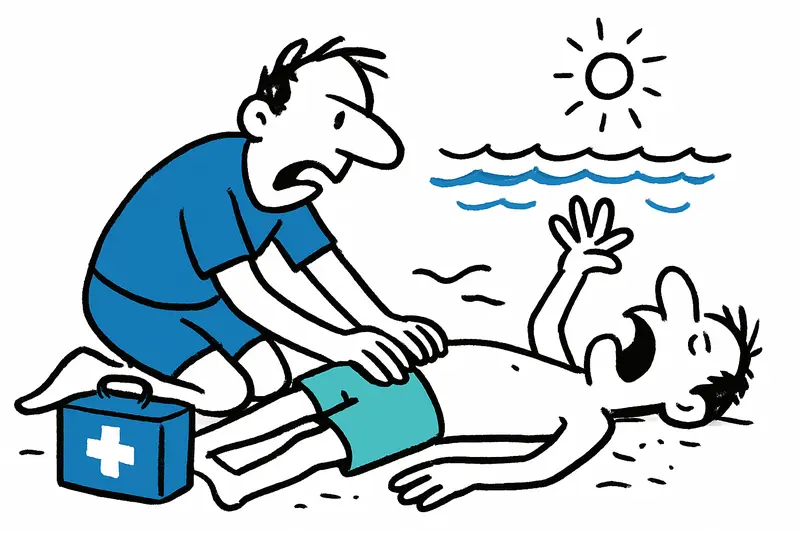
Near-drowning off Formentera: 64-year-old in critical condition – Could he have been saved?
A 64-year-old tourist was pulled from the water off Formentera and treated in intensive care. A reality check on causes,...
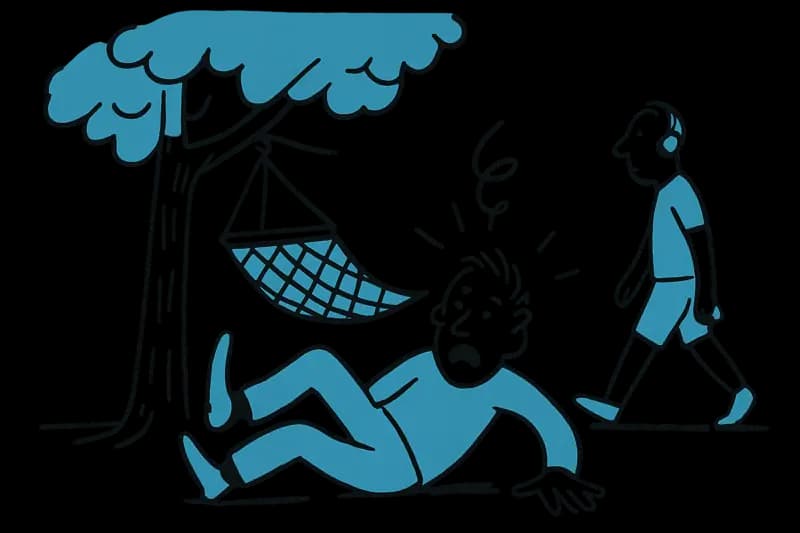
Hammock in Sa Feixina: Fall exposes shortcomings in public space
A man fell from a hammock secured high in the Sa Feixina park and suffered serious injuries. The incident raises questio...
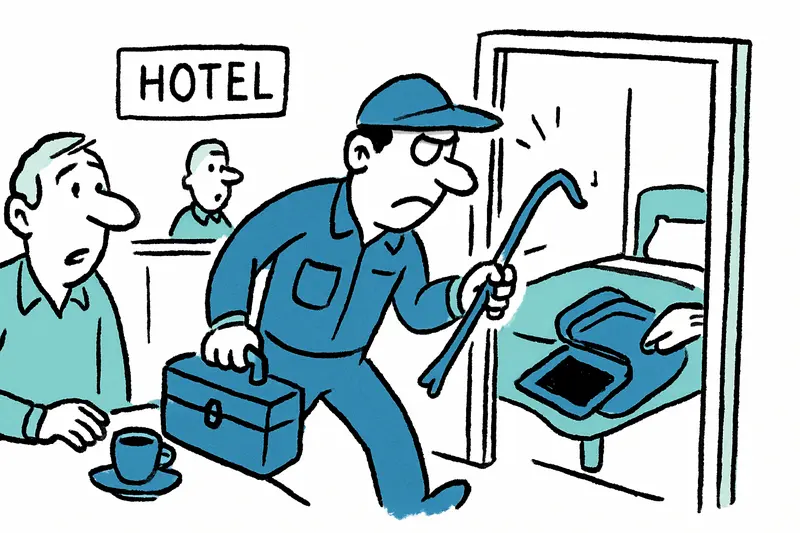
Disguised as a Handyman: How a Thief Robbed Hotel Guests in Manacor — and What It Says About Our Security
A man posed as an electrician in Manacor, broke windows and doors and stole from hotel rooms. Time for a reality check: ...
Legat furious: Germania feels robbed of victory in derby against Marratxí
After a heated local clash in Marratxí, coach Thorsten Legat accuses the officials of manipulation and numerous wrong de...
Why Sánchez Is Calling Elections Now: A Reality Check from Mallorca
Retreating into an election year is the response to social unrest and political deadlock. A look at the gap between prot...
More to explore
Discover more interesting content

Can Cap de Bou

Townhouse Lleo 72
