
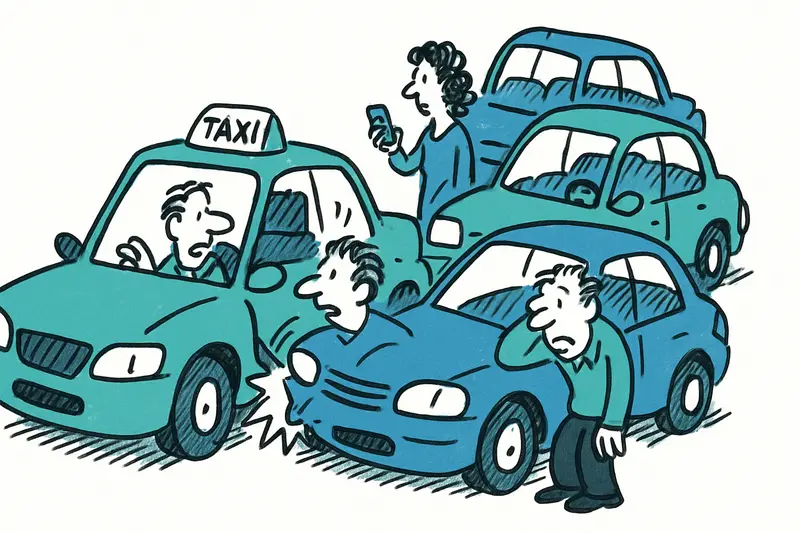
Chain reaction on the airport highway: Six injured, long closure in the evening
Chain reaction on the airport highway: Six injured, long closure in the evening
In the early evening, a series of rear-end collisions occurred at kilometer 8.5 heading toward Llucmajor, involving five vehicles including a taxi. Six people were injured, none life-threatening. The road remained blocked for hours.
Chain reaction on the airport highway: Six injured, long closure in the evening
How could the stopping of a taxi paralyze the highway between Palma and Llucmajor?
On late Tuesday afternoon there was a series of rear-end collisions on the airport highway between Palma and Llucmajor. Five vehicles were involved, including a taxi that came to a crosswise stop on the carriageway at the Son Oms industrial area near kilometer 8.5. Six people sustained injuries; according to emergency services, the injuries were not serious. Three ambulances with advanced life-support equipment and another vehicle with basic care responded on site. Two injured were taken to Clínica Rotger, two to the Son Llàtzer University Hospital and the others to Clínica Juaneda.
The key question is simple but uncomfortable: why is a single collision at this time of day enough to block the highway for hours? To answer that, one must break down the accident and the procedures that followed.
Some facts are clear from the accident scene: these were rear-end collisions, the taxi was blocking the lane crosswise, and the road had to be temporarily closed by emergency personnel. The Guardia Civil directed traffic and secured the scene. Similar incidents, such as the Pile-up at Es Molinar: Small mistake, big traffic jams — and what needs to be done, underline how quickly access roads can be paralysed. Because the damaged vehicles obstructed the carriageway, the route could only be reopened after towing. As a result, traffic backed up for long stretches – numerous commuters and travelers heading to the airport were stuck with idling engines and honking cars in the evening gloom.
Critical analysis: rear-end collisions often result from a combination of insufficient distance, inattention, sudden braking and speed. A taxi stopped crosswise is particularly dangerous in this scenario because it blocks the entire lane and following vehicles have no way to swerve. Similar vulnerabilities were exposed in the Head-on Crash on the Ma-11: Three Injured — and the Uncomfortable Question of Greater Safety. Organizational problems in handling such a situation add to this: insufficient or distant tow capacity, limited visibility for following drivers, missing immediate measures for rapid traffic diversion and the reliance on manually coordinated police intervention turned the blockage into a multi-hour traffic jam.
What is often missing in public discussion: details about the cause of the accident and the cascade of events frequently remain vague. Were electronic stability controls or braking systems checked? Were there technical issues with the taxi? Were distance sensors or driver-assistance systems on the involved vehicles triggered or overridden? Incidents involving unexpected driver behaviour, like Wrong-way driving at Coll d'en Rabassa: Near crash raises safety concerns on the airport highway, highlight the need for rapid alerts. The question of information policy is also relevant: why weren't drivers informed more quickly about alternative routes via radio or apps? And finally: how quickly can a towing chain be activated when obstructing vehicles lie on an important access road to the airport?
A commonplace scene: around 5 p.m. a subdued evening mood prevailed, the sea was still visible on the horizon, planes hummed like distant bees over Palma. At Son Oms cars stood with flashing safety vests, pedestrians nervously looked at their phones. In one of the stopped cars a woman was speaking heatedly on the phone, a man stretched his legs out and shook his head. Honking mixed with the soft wail of emergency vehicle sirens. Anyone who uses the route in the evening knows such images: few shops, industrial zones, a lot of through traffic from the airport – and a road that becomes a trap at the wrong time.
Concrete solutions, immediately implementable and effective in the medium term:
Short term: 1) Position tow trucks at central points like Son Oms during hours of high airport traffic; 2) quick-activation variable message signs that immediately show detours; 3) mandatory emergency routines between police, rescue services and towing companies so that blocking vehicles can be removed within minutes; 4) improved driver information via local radio channels and traffic apps.
Medium term: 1) Installation of cameras and sensors at critical points for early detection and documentation of accidents; 2) targeted campaigns against too-short following distances and for defensive driving – including special training for taxi and commercial drivers; 3) examination of structural adjustments at bottlenecks so that broken-down vehicles do not immediately block whole lanes; 4) defined response times for tow services in particularly traffic-relevant sections.
Transparency is also important: authorities should make accident evaluations accessible so patterns become visible, not just publish figures. Are the same spots repeatedly affected? The same vehicle types? The same times of day? Such findings enable more precise countermeasures.
For people in Mallorca this translates into practical advice: keep your distance, don’t look at your phone, and in dense traffic reduce speed and watch the hazard lights of the cars ahead. If possible, allow more time when traveling to the airport or consider alternative bus connections and park-and-ride options.
Pointed conclusion: the accident at Son Oms is not an isolated technical incident but a mirror of how vulnerable our main connections are when a vehicle comes to rest crosswise. The medical balance is reassuring – no serious injuries according to available information – but traffic management and infrastructure showed weaknesses. Clarity about causes, a better organized towing and information network and preventive measures could prevent a single breakdown from bringing a vital north-south link to a standstill. Responsibility lies with the authorities, transport companies and every driver on the road. The island deserves a safer, more reliable access route to the airport.
Frequently asked questions
What is the weather usually like in Mallorca in spring?
Can you swim in Mallorca in spring or autumn?
What should I pack for Mallorca if I’m going in spring?
Is Mallorca good for hiking in spring?
What is Alcudia like in spring?
What is Pollença like for a spring getaway?
Is Palma de Mallorca worth visiting in spring?
When is the best time to visit Mallorca for pleasant weather?
Similar News
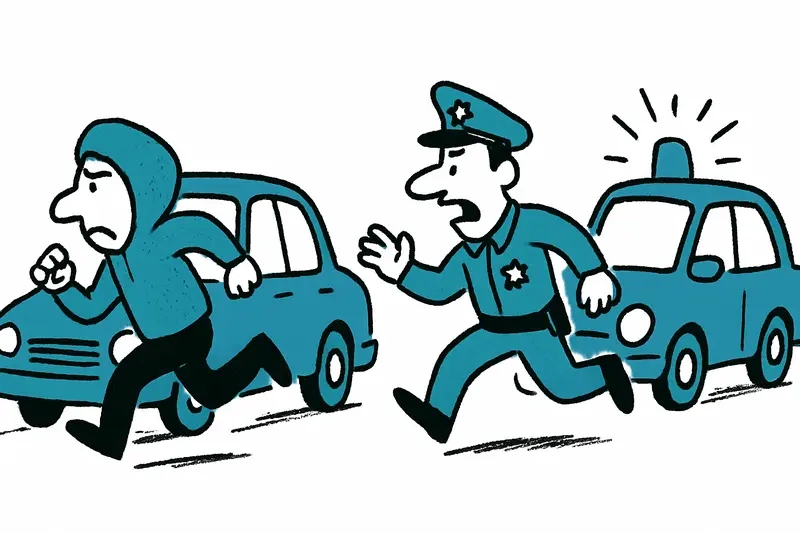
Rental Car Theft in El Arenal: What This Incident Reveals About Our Gaps
A teenager steals a running rental car in El Arenal, flees on foot, climbs over walls and is caught by the Guardia Civil...
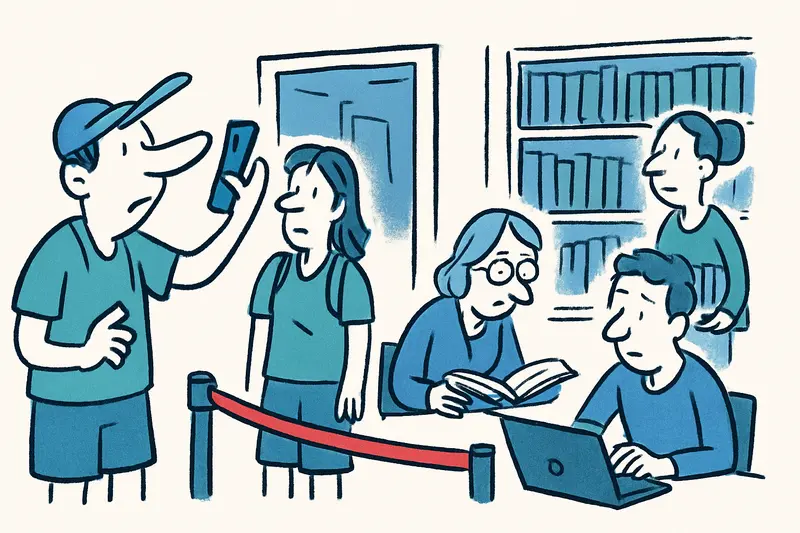
Red Rope in Palma's Library: What Helps Against Selfie Tourism — and What's Missing
Palma's city library cordoned off an area with a red rope to keep selfie tourism away from reading and working activitie...
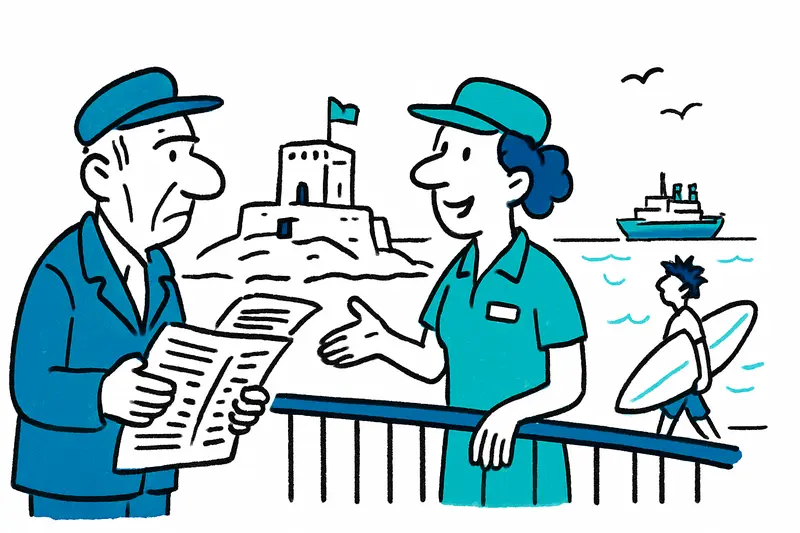
Fort San Carlos: Museum, Harbor Dispute — and a Conflict That Demands Answers
The military museum at Fort San Carlos sits right on Palma's harbor, with unexpectedly quiet rooms filled with cannons a...
Old Town Under Pressure: When a Doorway Becomes a Sleeping and Shower Place
For months a woman has been living with a parasol, a clothes rack and personal belongings next to the social welfare off...
When Shopping Weighs Heavier: Mallorca Demands a Tax Pause on Food and Fuel
Rising prices are putting pressure on households and agriculture. The Balearic Islands are calling for temporary tax rel...
More to explore
Discover more interesting content

Can Cap de Bou

Townhouse Lleo 72
