
Chaos in E-Scooter Registration on Mallorca: Paid but Not Registered
Chaos in E-Scooter Registration on Mallorca: Paid but Not Registered
Since January 30 Spain requires e-scooters to be entered in the DGT register and to have liability insurance. On Mallorca the system is blocking — users pay but receive no registration. How could this happen and who is liable?
Chaos in E-Scooter Registration on Mallorca: Paid but Not Registered
Websites crash, appointments are missing — and fines threaten in Palma
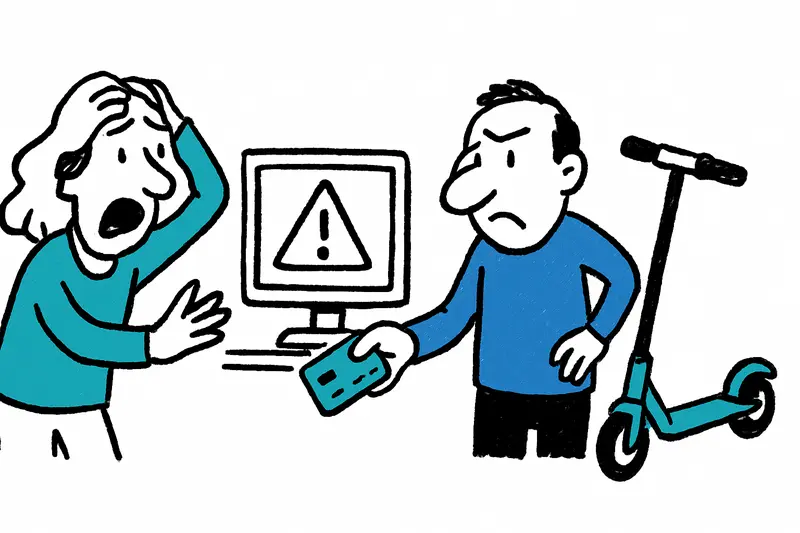
On January 30 a new regulation came into force: electric scooters must be entered in a central online register of the traffic authority DGT (Dirección General de Tráfico) in Spain and must have liability insurance. On Mallorca this has led to a daily reality that in places feels like a bureaucratic satire. People queue at rental stands in Palma's old town; next to cafés on the Passeig del Born people discuss who has paid yet still doesn't receive a license plate.
Key question: How can a system that is supposed to improve consumer protection and safety start so poorly that it plunges riders, rental companies and authorities into a legal vacuum?
Critical analysis
The idea behind the registration is understandable: clear markings, control and mandatory insurance should make accidents (for example the serious e-scooter accident in Palma), identity problems and illegal rentals less likely. In implementation, however, there are massive problems. Users report unreachable pages, certificate errors during login and the impression that payments are accepted but not processed. On Mallorca there also seems to be no option to sort out formalities in person: appointments on site are not available and there are no contact points.
Technical errors alone do not explain the scale. Introducing a nationwide register requires clear test scenarios, sufficient server capacity, functioning interfaces with insurers and transparent information for users. If several systems are behind the registration — insurers, payment platform, DGT database — the connections must be tested before launch. The fact that the Interior Ministry announced the measure in January before the web services were stable looks like pressure that led to a premature rollout.
What is missing in the public discussion
Public debate focuses a lot on fines — in Palma missing insurance can cost up to €600; such stakes are underlined by incidents like the dead e-scooter rider in Alcúdia. What is rarely discussed is: who bears the legal responsibility if a rider can prove they paid for registration or insurance, but the entry does not appear in the DGT system? Equally rarely asked is how tourists are informed when they are only briefly on the island and suddenly face a broken registration page when renting.
There is also a lack of clear communication from the authorities: users need verifiable proofs, such as a confirmation number that serves as an interim receipt even if the DGT display is incorrect. Without this a credibility problem arises — and trust in the system fades.
Everyday scene from Mallorca
Early in the evening in front of a rental stand in Portixol two young locals and a holidaymaker from Germany are arguing. The rental operator waves printed payment receipts; three phones show error messages from the DGT site. In the background cutlery clinks in a tapas bar and a waiter calls out orders. This is the new everyday life with the e-scooter requirement: paper receipts, puzzled customers, and the sea as a silent witness.
Concrete solutions
1) Immediate measure: The DGT should issue temporary confirmation documents that prove a payment and insurance status, even if the database does not yet display the plate. Such receipts could be sent by email with a unique reference number.
2) Technical improvements: load tests, security certificates and transparent status pages. A simple DGT status page that provides real-time information about server load and known error sources would reduce frustration.
3) Interfaces with insurers: insurance companies must provide automatic feedback to the DGT. A central protocol for confirming policies would avoid manual rework.
4) Local contact points: On Mallorca temporary service points should be set up — for example in municipal district offices or tourist information centers — where riders can get help with registration and have their documents checked.
5) Transitional arrangement: Until the register functions flawlessly, fines should be used with care. A grace period for cases with provable payments would create legal certainty and avoid unnecessary penalties.
Pointed conclusion
The intent behind the registration is sensible. The implementation, however, was launched so prematurely that it creates more uncertainty than clarity. On Mallorca this means: annoyed users, an increase in paper receipts among providers and a risk that affected people stand alone in disputes. Whoever introduces a regulation also carries responsibility for the transition phase. Otherwise a good plan becomes a stumbling block.
One final thought: when authorities announce a new obligation, they should briefly remember the sounds of a typical Mallorcan evening — voices, the clatter of dishes, the buzz of an electric scooter — and that behind every error there is a real person who might be late for work or have their holiday ruined.
Frequently asked questions
Do electric scooters in Mallorca now need to be registered and insured?
Why are people in Mallorca paying for e-scooter registration but not getting a plate?
What should I do if the DGT e-scooter website in Mallorca does not work?
Can tourists renting an e-scooter in Mallorca run into registration problems?
What happens in Palma if an e-scooter is not insured?
Are there any local places in Mallorca to sort out e-scooter registration in person?
What proof should I keep if my e-scooter registration in Mallorca is delayed?
Could Mallorca riders be fined even if they already paid for e-scooter registration?
Similar News
Eurowings lets four aircraft carry names – a friendly idea that also reaches Mallorca
Eurowings is launching a campaign: four Airbus A320s are to carry the first names of people who help others in everyday ...
From the Reality Studio to the Pitch: Aleks Petrovic Makes Mallorca His Base
The former participant in numerous TV shows moves from Dubai to the island and launches a project with FC Germania Mallo...

When the Phone Falls Silent: Concern for Sarah Joelle in Mallorca — and What It Reveals
After days without a response, the TV personality's unreachability in Mallorca sparked concern. Shortly afterwards an al...
Ultraluxury on the Ground: Four Seasons Jet in Palma — a Reality Check for Formentor and the Island
A high-priced flight crosses Mallorca and its guests stay for days at the Formentor resort. What does the island get bes...
Death of a Witness and the Justice Backlog: Why the Kegel Brothers Trial Matters in Mallorca
A witness in the Playa de Palma fire case has died, and the trial against eight German holidaymakers has been delayed un...
More to explore
Discover more interesting content

Can Cap de Bou

Townhouse Lleo 72
