
Nightly Closures in the Sóller Tunnel: Commuting, Detours and Smart Solutions
The Sóller Tunnel will be closed at night (Oct 6–expected Nov 13). We explain what this means for commuters, bus drivers and emergencies — and which local solutions can help.
Nightly Closures in the Sóller Tunnel: What Locals Should Know Now
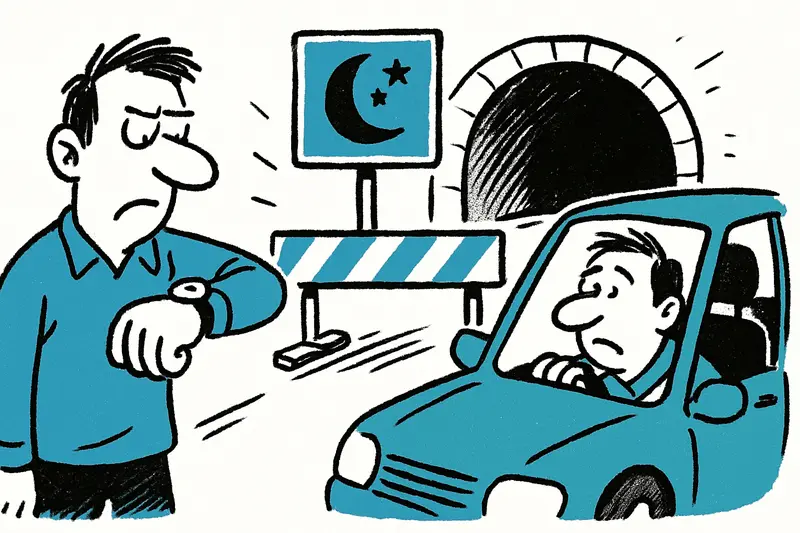
How much will the nightly closures of the Sóller Tunnel burden everyday life for people between Palma, Sóller and the orange valley? The short answer: noticeably, but manageable — if authorities and commuters pay attention to a few things. The island administration is carrying out the works from October 6 until expected November 13, each Monday to Thursday from 10:00 p.m. to 6:00 a.m. That means: anyone traveling at night or very early will have to plan differently, a situation also covered in Nighttime construction on Palma's ring road: Vía de Cintura and Sóller Tunnel — who pays the price?.
Yesterday afternoon at the market in Sóller there was the smell of freshly baked croissants, vendors were laughing, and the church bells announced evening mass. The closures are a topic here — not panic, more a bothersome fact. Many in the village work in shifts or commute daily to Palma. For them the nightly closure means: getting up earlier, taking detours or coordinating with their employer.
What are the works about?
In short: technology, safety, inspection. Cameras and incident detection systems are being renewed, drainage channels cleaned and fire and ventilation systems checked. Sounds dry, but it's important: a faulty ventilation system or an outdated camera can make all the difference in an emergency, as in the recent Son Vic tunnel closure in Andratx. The teams aim to finish by the second week of November, but a precise end date depends on final tests. So: plan a little buffer in your calendar.
Detours, closure times and exceptions
Cars and motorcycles will be directed via the Coll de Sóller. Expect about 30 minutes extra travel time; it can be longer in rain or heavy traffic. The route is winding and often wet in autumn — an increased risk not to be underestimated. On the positive side: intercity buses (tib) in red and yellow will still be allowed through the tunnel, as will emergency vehicles such as police and fire services, as happened during nightly closures in Génova and Bendinat. That eases the main connections and secures public transport.
What is often missing from the public debate
Four aspects are rarely voiced loudly: first, the burden on night-shift care workers and logistics drivers; second, how deliveries to shops and supermarkets will be reorganized; third, the stress on the narrow Coll route and the related traffic safety; and fourth, the information situation for tourists arriving on late flights. Much on the island is built on flexibility — but when several areas are affected at once, that's not always enough.
Practical tips and concrete solutions
A few simple measures reduce stress and risks:
1. Involve employers: Adjust schedules if necessary, offer flexible hours or consolidate night trips. Many companies in Palma and Sóller are small enough to react at short notice.
2. Better real-time information: Passengers need up-to-date notices in map apps, at stops and via SMS/WhatsApp from bus operators. A coordinated information campaign by the island administration would avoid a lot of unrest.
3. Shuttle and parking solutions: Hotels in Port de Sóller and some businesses could offer night shuttles or provide parking on the outskirts — this would relieve the Coll during peak times.
4. Traffic safety on the Coll: Speed checks, additional warning signs and illuminated narrow sections at night would reduce accident risk. Street cleaning before detours also helps in wet conditions.
5. Prioritization of critical transports: If possible, medical transports, important deliveries and tradespeople's trips should be planned outside the closure times or exceptions should be considered.
What commuters can do right now
Plan your trips: those who regularly commute between Palma and Sóller should mark the closure times in their calendars. Check alternative routes and update navigation on your smartphone. If you arrive late, talk to your accommodation: many hotels in Port de Sóller already offer alternative arrivals or tips. And personally: have a strong coffee beforehand — preferably not while driving.
Conclusion: Small inconvenience, big gain
The nightly closures are inconvenient, but not a traffic collapse. With proper organization they can be carried out relatively smoothly. The goal is important: more modern technology, safe ventilation and reliable tunnel monitoring. If authorities, businesses and drivers work together briefly now, the nights will soon be back to normal — and the tunnel safer. Until then: a little patience, keep your eyes open on the Coll and follow public transport updates.
Frequently asked questions
When is the Sóller Tunnel closed at night?
How much extra time should I allow when driving via the Coll de Sóller?
Can buses still use the Sóller Tunnel during the night works?
What kind of work is being done in the Sóller Tunnel?
Is the Sóller Tunnel closure likely to affect commuters from Palma?
What should I do if I have a late arrival in Port de Sóller?
What can shops and businesses in Sóller do during the tunnel closure period?
Is it safe to drive the Coll de Sóller at night?
Similar News
First Day, First Consequences: What Palma's Rent Freeze Really Means
A new decree stops a planned eviction in Palma — but what really changes for tenants and landlords? A reality check with...
When Housing Becomes a Matter of Survival: Mallorca Between Rental Frenzy and Everyday Life
The case of 87-year-old Maricarmen showed that on Mallorca many people's lives are poised between affordable and uninhab...
Autumn in Mallorca: When Melancholy Gets a Window
Why autumn quietly tightens here — and how to make use of the mood: walks, culture, candles and the light from Palma to ...
Near-miss on Lanzarote: Landing Ryanair Jet and Iberia Takeoff — what really went wrong
On Lanzarote there was a dangerous incident: A Ryanair flight (FR5910) from Dublin landed on runway 03 while an Iberia E...

Eurowings introduces new Premium Business seats on Mallorca routes
From December 1, selected Eurowings flights to Palma and other destinations will feature eight particularly generous sea...
More to explore
Discover more interesting content

Can Cap de Bou

Townhouse Lleo 72
