
Community at Sea: A Sailing Club in Port d'Andratx Opens Its Hatches
Community at Sea: A Sailing Club in Port d'Andratx Opens Its Hatches
In the harbor of Port d'Andratx, residents share a 13-metre sailing yacht, organize trips themselves and thus keep a small, lively sailing community alive. It's not about buying shares, but about taking part.
Community at Sea: A Sailing Club in Port d'Andratx Opens Its Hatches
One boat, many hands — and room for newcomers
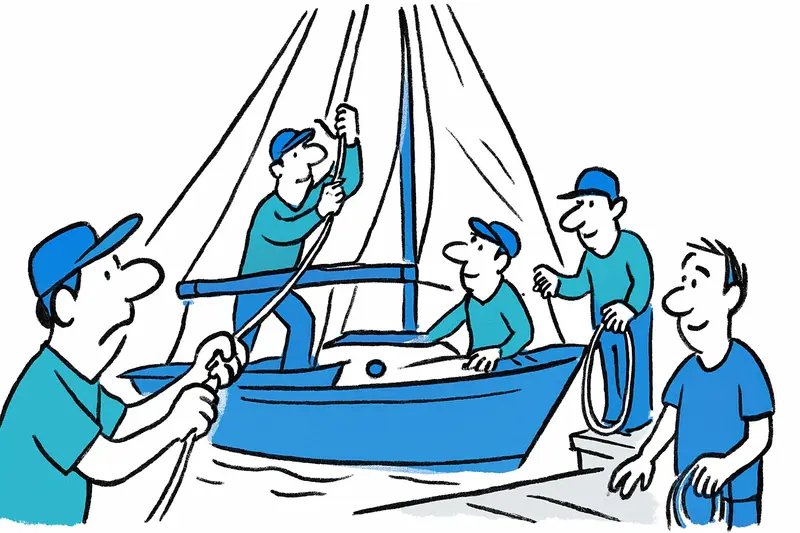
At the pier it smells of diesel, fresh varnish and Spanish coffee. An inflatable drops the crew on board, someone casts off the lines, the engine pushes the yacht out of the harbor and soon a light Tramuntana breeze takes over. This is what Saturday afternoons at the Mediterranean Yacht Club look like: relaxed, hands-on, with time for a chat about courses and knot techniques.
The yacht the club uses is a Beneteau First 44.7 — about 13.35 meters hull length, standard rig, plenty of space for a mixed crew. The boat is moored on a buoy off Port d'Andratx and is not rented commercially. Instead, members organize themselves: whoever wants to sail posts a trip on the internal events board; if enough people sign up and a qualified skipper is available, they go out.
The idea goes further back: originally the group was organized around another, much sportier boat — a roughly 15-meter carbon racer that made waves in major regattas in Germany in 1993. The then-owner made the boat available to a group of residents in 2012. A broken mast later forced the community into difficult decisions; the boat was sold, and two years ago the Beneteau now in use came on board.
Important to know: nobody buys shares here, as with some yacht-sharing schemes. Membership means an annual fee and participation. Currently a €300 annual fee and around €25 participation fee per trip are common; organizers also ask for a certain number of work hours. The boat needs care — scrubbing powdery deposits off the deck, checking batteries, hanging cloths to dry after a sail. A small core of active members who live in Port d'Andratx helps with all of this and keeps an eye on the buoy.
Those who want to sail should ideally bring basic sailing knowledge: a B or SKS certificate is recommended, and experience on charter yachts or your own small yacht pays off. Practical introductions are provided; experienced skippers or the marina dockhand often help with berthing and unberthing. The learning curve is part of the appeal: people practice tacking, coordinate maneuvers and laugh when something doesn't work on the first try.
What makes this club special for the island is the mix of a community project and low-threshold participation. At a time when berths are scarce and ownership costs are high, this model offers an alternative: resources are shared, know-how is passed on, and the boating section stays alive. At the same time, Port d'Andratx benefits from such initiatives: work for shipyards, demand for harbor services and small bars where a cold beer is put on after the trip.
If you stroll along the harbor promenade on a normal Saturday evening you'll hear the clatter of marine supply shops and bored seagulls, see the reflecting blue on hulls and groups enjoying the last rays of sun with a glass in hand. This is everyday life on the island, but an everyday life with a sense of community: people connected by wind, waves and maintenance lists.
The outlook is simple: more participants are welcome. Those curious or wishing to take a trial sail can get information — by phone at +4917620498190 (contact: Ilona Engler). For Mallorca the model is a plus: it gives residents a nautical home without the burdens of sole ownership.
In the end there remains the image of a yacht that does not belong to individuals, but to a group that meets regularly. That is, quite simply, practical and beautiful — and an invitation to everyone who wants to sail and get involved.
Frequently asked questions
When is the best time to visit Mallorca for good weather and fewer crowds?
Is Mallorca good for swimming and beaches?
What should I pack for a trip to Mallorca?
How can I get around Mallorca without a car?
What can I see in Palma de Mallorca in a day?
Is Sóller worth a visit and how can I get there?
Is a trip to Cap de Formentor worth it and how should I plan?
What are good beaches near Alcúdia for families?
Similar News

Human chain in Manacor: 80,000 chickens, many unresolved questions
Residents and animal welfare activists formed a human chain at the Son Brau estate to protest a planned poultry farm wit...
Unrest on the doorstep: What Barcelona's riots mean for Mallorca
128 arrests in Barcelona, numerous injured and devastated shops: Why the wave of violence 260 kilometers away can also b...

Why the unrest in Barcelona should be a wake-up call for Mallorca
A TikTok call led to nighttime violence and hundreds of arrests in Barcelona, many of them minors. What is behind the ph...
Palma under the microscope: 87 arrests over forged passports – what now?
The National Police stopped 87 people at Palma airport this year with allegedly forged documents. Why are controls alone...

When a Taxi Fare Dispute in Magaluf Turned Bloody: How Safe Are Passengers and Drivers?
In Magaluf a dispute over the fare escalated: a tourist, now 18, is accused of having seriously injured a taxi driver in...
More to explore
Discover more interesting content

Can Cap de Bou

Townhouse Lleo 72
