
Why the unrest in Barcelona should be a wake-up call for Mallorca
A TikTok call led to nighttime violence and hundreds of arrests in Barcelona, many of them minors. What is behind the phenomenon — and what lessons should Mallorca draw?
Why the unrest in Barcelona should be a wake-up call for Mallorca
A viral call, burning streets – and the question: Are we prepared?
Key question: How can a short clip on a social network drive hundreds of young people into an escalation of violence — and what does that mean for Mallorca, only 260 kilometers away?
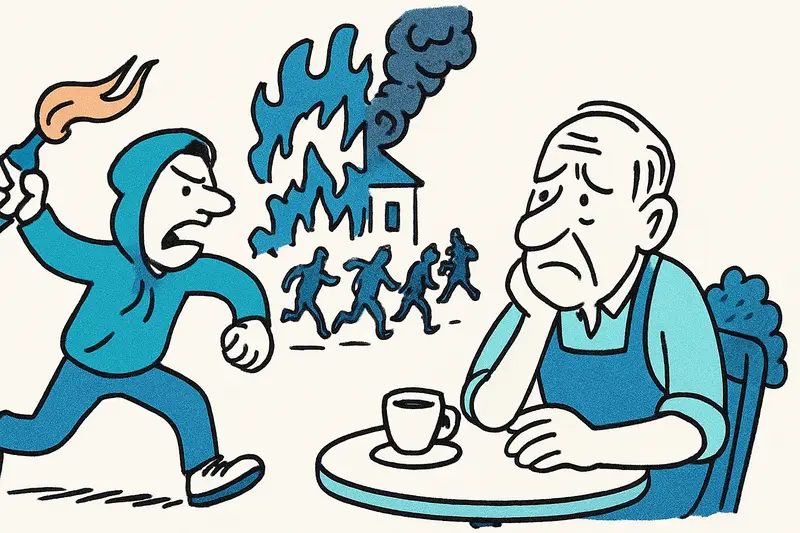
The facts from Barcelona are stark: A call on TikTok led to an unplanned meeting at Plaça de Catalunya, which within hours resulted in destruction, arrests and injuries. Anyone reading the numbers quickly understands why this causes nerves here as well: Many involved were underage, numerous shops were attacked, and fire brigades and police were on constant duty. Such images wake up the neighbours — including us in Palma.
Critical analysis: Three levels came together. First, the technology: short-form videos spread at great speed and can coordinate people without traditional leadership. Second, the social environment: young people who feel left behind, underestimated or simply seek excitement are easier to mobilize. Third, the response logic: the state reacts with presence and arrests; that stops violence but does not solve the underlying problem. On Mallorca we see similar patterns on a smaller scale: verbal escalations during festivities, groups that can quickly spark "fire" in a crowd.
What is often missing in the public debate: the voices of the young people themselves. Instead of only talking about crimes, the question of why these young people are even willing to take part is seldom asked. Lack of evening leisure options, precarious jobs, mental strain and the need for visibility online are rarely discussed alongside police figures. The role of the platforms mostly remains a legal debate; pedagogical and community responses are not promoted enough.
A everyday Mallorca scene: On Passeig Mallorca the barista from the small café opposite the parliament shakes his head. Between neighbourhood customers and delivery traffic you hear the constant beeping of buses; young people meet later at the harbor promenade or Parc de la Mar, not always with concrete plans, often simply to be seen. These meeting places are not criminal laboratories, but they are fertile ground for group dynamics — if no offers are made, the internet fills the gap.
Concrete approaches, not just empty words:
1) Early prevention in schools and youth centers: Workshops on digital media literacy, conflict resolution and the consequences of group offenses. No lectures without dialogue — young people must speak, not just listen.
2) Activate public spaces: Evening meeting points with leisure activities, sports and cultural initiatives, financially supported, locally organized and staffed with low-threshold supervisors.
3) Better networking of authorities: Island-wide crisis plans in which police, youth services, schools and fire departments quickly share information — not as surveillance, but as coordinated response.
4) Social media strategies with clear limits: Platforms must remove calls to violence faster; at the same time municipalities need their own credible channels to reach young people. Moderation must not be the only answer; transparency and the rule of law are also required.
5) Responsibility and support for families: When minors are involved, there need to be not only sanctions but accompanying offers for parents: counseling, obligations to inform and, if necessary, social assistance.
These measures are no panacea. They require time, money and often patience — things that become scarce in election periods. But the alternative is simple: reactive police operations that visibly contain problems in the short term but create long-term frustration and new group dynamics.
Conclusion: Barcelona is not a mirror image of Mallorca, but it is a warning signal. Anyone who only processes individual incidents here overlooks the growing breeding ground for such escalations. We need fewer headlines and more spaces where young people can get involved — on the island, in neighbourhoods and online. Otherwise the next viral call is only a matter of time.
Frequently asked questions
What should Mallorca learn from Barcelona's unrest and how can the island prepare?
How does social media influence youth mobilization, and what should Mallorca communities do?
What early prevention measures work in Mallorca's schools and youth centers?
What does activating public spaces look like in Mallorca to give young people healthy outlets, for example around Passeig Mallorca?
How can authorities on Mallorca improve coordination to respond to potential crowd escalations?
What role do social media platforms play, and what should Mallorca's towns do to address online calls to violence?
What is the role of families in preventing minors from joining group offenses in Mallorca, such as around Parc de la Mar?
What long-term, non-police approaches can help reduce violence on Mallorca?
Similar News
Palma under the microscope: 87 arrests over forged passports – what now?
The National Police stopped 87 people at Palma airport this year with allegedly forged documents. Why are controls alone...
When a Taxi Fare Dispute in Magaluf Turned Bloody: How Safe Are Passengers and Drivers?
In Magaluf a dispute over the fare escalated: a tourist, now 18, is accused of having seriously injured a taxi driver in...
Why Mallorca Has Become So Terribly Expensive — A Reality Check
Rents are exploding, staple food prices are rising, wages are lagging behind. A look at the causes, what is missing from...
When Paradise Becomes Unaffordable
Hotel rooms, paella and the weekly grocery shop: Mallorca is becoming more expensive for many. Who pays the bill — guest...
End at Ballermann: What Is Lost with the Dino Mini Golf at Playa de Palma
On October 25 the dinosaur mini-golf course at Playa de Palma will close after more than 30 years. Why the city is recla...
More to explore
Discover more interesting content

Can Cap de Bou

Townhouse Lleo 72
