
Why Mallorca Has Become So Terribly Expensive — A Reality Check
Rents are exploding, staple food prices are rising, wages are lagging behind. A look at the causes, what is missing from the public discourse, a scene from Palma and concrete proposals for how the island can become affordable again.
Why Mallorca Has Become So Terribly Expensive — A Reality Check
Key Question
How did it happen that everyday life in Mallorca became unaffordable for many people within a few years — and what needs to change for the island to become affordable again?
Critical Analysis: the Ingredients of Price Increases
At first glance the familiar drivers are in front of us: higher energy prices, disruptions in supply chains and a persistent rise in demand from tourism. On the Balearic Islands this shows in the numbers: inflation recently sits above the five-percent mark, staples like olive oil, eggs, sugar and milk have risen significantly, and hotel rooms now average well over €200 per night, as detailed in Rising Cost of Living in Mallorca: Who Pays the Price?.
Mallorca’s island location amplifies external shocks. Almost everything not produced locally must be brought in by ship or plane. Every container, every package brings additional costs — fuel costs, port fees, and extra logistical effort. When energy becomes more expensive, the extra costs show up twice: in production and in transport. This helps explain Why Food Is So Much More Expensive in the Balearic Islands — A Reality Check.
At the same time the housing market has shifted dramatically. Rents have risen noticeably in recent years; the average rent today is far above what many families can afford. Houses and apartments are sought as investment objects, short-term rentals tie up housing, and building land is scarce and expensive; prices for buying and renting continue to rise, as explored in Buying and Renting in Mallorca: Why Prices Are Pushing Locals to the Edge — and What Could Help Now. The result: private housing moves into the tourism market, while locals are pushed out of city centers and popular spots.
What Is Often Missing from the Public Discourse
It is not enough to talk only about “expensive hotels” or “high petrol prices.” Interviews and conversations often lack the connection between macro data and everyday reality: Why are food prices rising more than elsewhere? How much does the conversion of housing into short-term rentals really contribute, as discussed in Rent-price shock 2026: How Mallorca is heading toward a social crisis? What role do local tax and permitting rules, port and airport tariffs, and the structure of food supply — large wholesalers versus small producers — play?
Moreover the debate is too often divided into two camps: tourism is good or bad. Mallorca needs a nuanced model: less seasonal volatility, more value creation for local businesses and clear rules so that housing is not used primarily as a yield object.
Everyday Scene from Palma
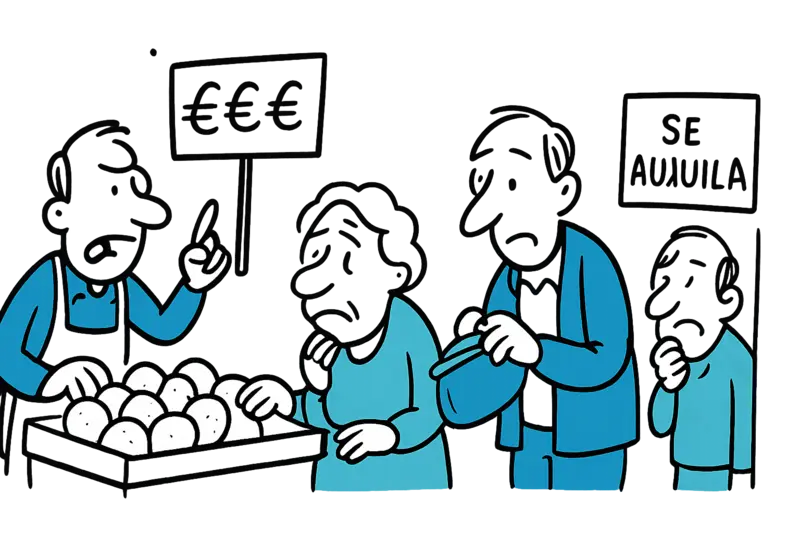
At the Mercat de l'Olivar on a Wednesday morning: market women call out prices, an elderly woman feels the bulbs, the van with olive oil containers rattles down the Carrer de Sant Miquel, and on Passeig Mallorca a notice is stuck to a wall: “Se alquila — larga temporada” (for rent — long term). In a side street neighbours discuss the new short-term rental in the building next door. These small scenes show how tightly price increases, traffic noise and housing pressure are intertwined.
Concrete Solutions
1) Protect and create housing: municipal housing companies, targeted new-build programs with social purpose binding and stronger regulation of short-term rentals can relieve housing pressure. A licensing requirement for holiday apartments, tied to quotas for locals, could be a tool — not as a ban, but as a steering mechanism.
2) Decouple logistics and energy: shorten supply chains — more local processing of food, expand small ports for regional freight, and support programs for low-carbon transshipment technology. At the same time increased solar investments on public roofs and cooperative energy projects are needed so that generation and consumption come closer together and transport costs fall.
3) Adjust incomes and working conditions: minimum wages and collective agreements, especially in the tourism sector, as well as incentives for year-round employment would stabilize purchasing power. Tax relief for small businesses that produce locally helps maintain supply diversity.
4) Recalibrate tourism: instead of mere capacity expansion, the island must invest in higher value-added offerings — cultural events outside the high season, family-friendly offers and qualification programs so that tourism is less price-driving.
5) Transparency and data basis: better, up-to-date data on rental agreements, short-term rentals, food prices and logistics costs would allow more targeted measures. A publicly accessible rental database could support regulation and policy planning.
Concise Conclusion
Mallorca did not become expensive “by accident.” It is the result of many small decisions: how we use land, how we invest, whom we give tax advantages to, and how we organize supply chains. The island does not need a simple scapegoat, but honest planning that prioritizes local needs over short-term profits. Those who want to save the quality of life for people in Mallorca must secure housing, shorten supply chains, pay work better and revise the tourism strategy — and do it quickly, before the market eats away the soul of the places.
Frequently asked questions
What are the main factors driving Mallorca's rising cost of living?
How does Mallorca's island location affect prices?
How do housing and short-term rentals affect locals in Mallorca?
What can Mallorca do to relieve housing pressure?
What does decoupling logistics and energy mean for Mallorca?
How can incomes and working conditions be improved in Mallorca?
How should Mallorca recalibrate its tourism strategy?
Why is data transparency important for Mallorca’s cost-of-living policy?
Similar News
When Paradise Becomes Unaffordable
Hotel rooms, paella and the weekly grocery shop: Mallorca is becoming more expensive for many. Who pays the bill — guest...
End at Ballermann: What Is Lost with the Dino Mini Golf at Playa de Palma
On October 25 the dinosaur mini-golf course at Playa de Palma will close after more than 30 years. Why the city is recla...
Expensive Address Calvià: What Does First Place Mean for Mallorca?
The National Institute of Statistics (INE) ranks Calvià as Spain’s most expensive municipality for property purchases. W...

Emergency over Spain: Ryanair Dublin–Tenerife flight diverted to Santiago after medical emergency
A Ryanair flight from Dublin to Tenerife was diverted to Santiago de Compostela due to a passenger's acute health proble...
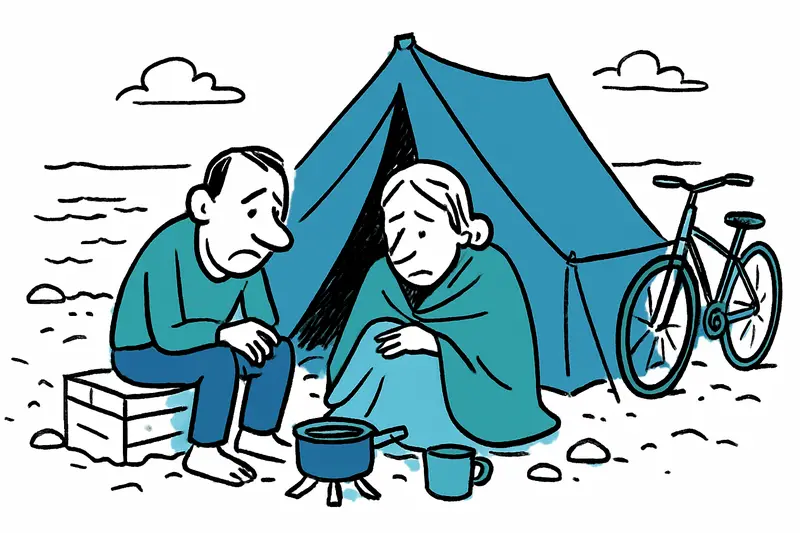
Ten Years in a Tent: A Couple in Son Verí and the Gaps in the Housing Market
A British couple has lived for around ten years in a makeshift shelter near Son Verí. Their story is not an isolated cas...
More to explore
Discover more interesting content

Can Cap de Bou

Townhouse Lleo 72
