
Unrest on the doorstep: What Barcelona's riots mean for Mallorca
128 arrests in Barcelona, numerous injured and devastated shops: Why the wave of violence 260 kilometers away can also be felt in Mallorca — and which questions remain unanswered.
Unrest on the doorstep: What Barcelona's riots mean for Mallorca
Key question: How dangerous is this phenomenon for Mallorca — and what is being overlooked?
On Saturday evening, when the ferias in some parts of the island had already died down and the street cafés at the Plaça Major in Palma were slowly emptying, the same video played on many phones: scenes from Barcelona, tightly packed groups, flames, emergency services. The images do not stay in the city where they were taken. They travel via social networks — and create unease on an island that depends on tourism and the feeling of safety.
The hard facts, as far as reported: In Barcelona there were 128 arrests; a large portion of those arrested were minors. At least 15 police officers were injured, four of them seriously. Shops were damaged and fires set. The local police identify the spread of calls on social networks as a trigger — TikTok is explicitly mentioned. The visual patterns are reminiscent of past unrest in European cities, and reports such as Arrest in Barcelona after Watch Robbery — What Does It Mean for Palma's Old Town? underline how incidents travel between cities.
Critical analysis: The pattern is known but not easy to handle. Young people come together temporarily, motives are diffuse, the gatherings are not registered and are hard to predict. That makes the situation complicated for emergency services: intervening too early can escalate the situation, reacting too late means greater damage. On Mallorca the challenge is intensified because the island has massive population density in summer and many social services for young people are thinner in winter.
What is often missing in the public discourse: a clear distinction between organized protests with concrete demands and spontaneous violence that feeds on copycat effects. It's not enough to say "they are rioters"; we must understand why groups of young people respond to what social media offers, why certain places are chosen as meeting points, and where preventive services are lacking. Also little examined is the responsibility of the platforms: How quickly are calls removed, who reviews content, and how transparent are these processes toward municipalities? The role of organized criminals is also relevant, as reporting like Organized watch robbers in the Balearics: Why Mallorca must also stay vigilant notes.
Everyday scene in Mallorca: On Passeig Mallorca I sit in a café in the morning, hear the buzzing of mopeds, see young people in hoodies, some with skateboards, others with headphones. They post stories, like clips, exchange emojis. This is not pathos, this is everyday life. When such scenes jump to Barcelona, it's no coincidence — social media trends are as present here as at Plaça Catalunya. Parents in Son Gotleu or young people from Palma can become witnesses or participants within half an hour if a viral call mobilizes them, as local incidents such as Arrests after threats at the city beach: Why an evening stroll must become safer again have shown.
Concrete solutions: First, short-term response: operations control centers should improve their communication, give clear behavioral guidance for citizens and keep meeting spaces open so that young people don't only escalate on the streets. Second, prevention: investment in youth centers, low-threshold leisure opportunities and media training help reduce copycat effects. Third, education in digital skills: schools and community centers must explain to young people how viral dynamics work, what legal consequences actions can have and how to make safe digital decisions. Fourth, cooperation with platforms: municipalities should demand clear contacts at major platforms and agree on how calls to violence are identified and blocked more quickly. Fifth, legal and sanctioning pathways: faster procedures, but also alternative conflict resolutions such as community service or mediation programs can be useful — especially for first-time offenders and young people.
Who bears responsibility? It's a triangle of young people, parents and institutions. Police can prevent, inform and intervene if necessary, as seen in Major Raid in Palma: What the Investigations Mean for the Island. Schools and social services must fill gaps. And digital companies must take responsibility without the debate descending into simple blame. For Mallorca this means concrete, island-specific programs that consider seasonal fluctuations in leisure offerings, and the involvement of clubs and businesses that can provide employment prospects for young people.
What can be done pragmatically immediately: a nationwide hotline or a reporting channel for dangerous calls, increased presence on social networks through city channels, temporarily established youth patrols with social workers instead of a solely police presence. Medium-term: expansion of youth leisure facilities in disadvantaged neighborhoods of Palma and subsidized leisure offers in the pre- and post-season so that young people are not left without prospects for months.
Concise conclusion: The images from Barcelona are a wake-up call, not an endpoint. They show how quickly violence can jump from urban centers — even to an island like Mallorca. Those who now rely only on tougher police measures overlook the causes and risk the dynamics repeating. The island needs a mix of good operational planning, clearer digital regulation and honest investment in the living world of young people. Otherwise the question remains open: Do we only want to react — or shape?
Frequently asked questions
When is the best time to visit Mallorca for good weather and fewer crowds?
Is Mallorca good for swimming year round?
What should I pack for a trip to Mallorca?
What are the top outdoor activities you can do in Mallorca?
How should I get around Mallorca?
What should I know about Mallorca's beaches?
Are there good day trips from Mallorca to nearby sights?
Do local events or markets affect travel in Mallorca?
Similar News
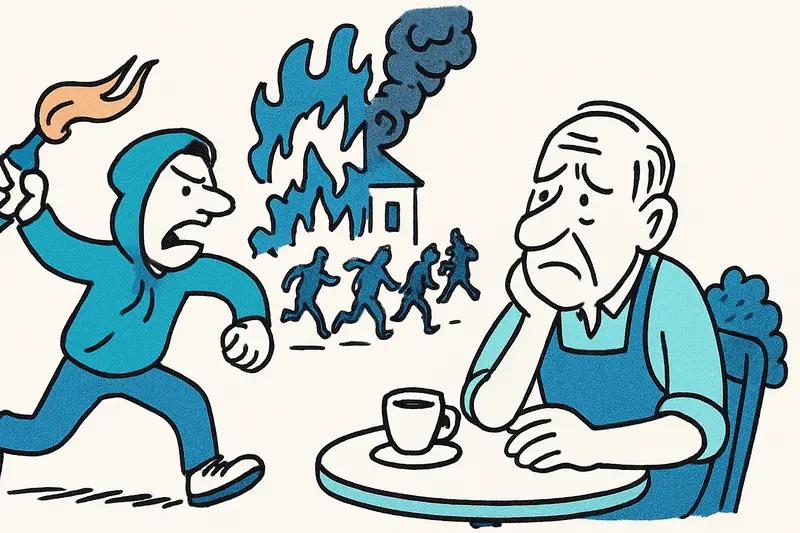
Why the unrest in Barcelona should be a wake-up call for Mallorca
A TikTok call led to nighttime violence and hundreds of arrests in Barcelona, many of them minors. What is behind the ph...
Palma under the microscope: 87 arrests over forged passports – what now?
The National Police stopped 87 people at Palma airport this year with allegedly forged documents. Why are controls alone...
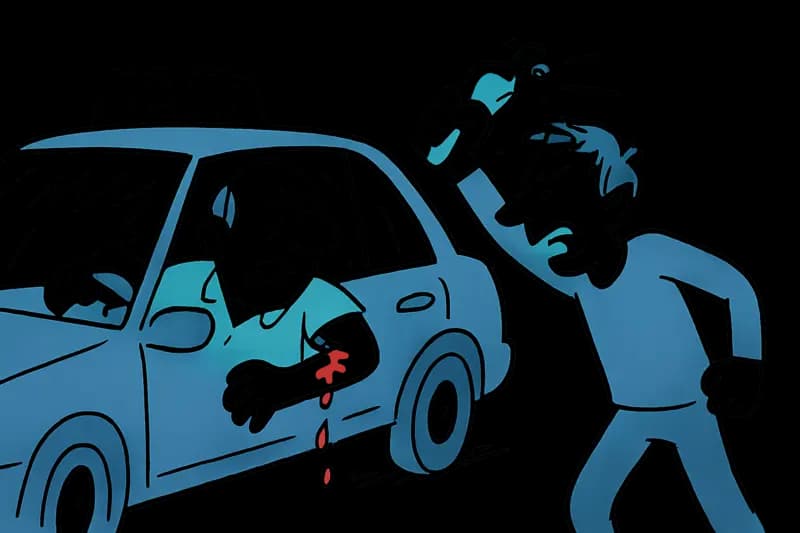
When a Taxi Fare Dispute in Magaluf Turned Bloody: How Safe Are Passengers and Drivers?
In Magaluf a dispute over the fare escalated: a tourist, now 18, is accused of having seriously injured a taxi driver in...
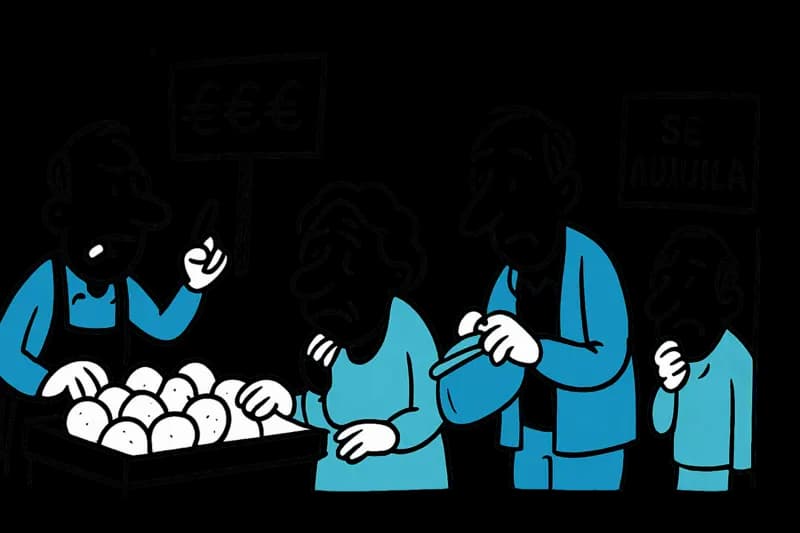
Why Mallorca Has Become So Terribly Expensive — A Reality Check
Rents are exploding, staple food prices are rising, wages are lagging behind. A look at the causes, what is missing from...
When Paradise Becomes Unaffordable
Hotel rooms, paella and the weekly grocery shop: Mallorca is becoming more expensive for many. Who pays the bill — guest...
More to explore
Discover more interesting content

Can Cap de Bou

Townhouse Lleo 72
