
Arrest in Barcelona after Watch Robbery — What Does It Mean for Palma's Old Town?
After the arrest of a suspect in Barcelona the watch remains missing. How safe are Palma's narrow streets, and what needs to change? A situation report from the Old Town.
Arrest in Barcelona — and the watch is gone
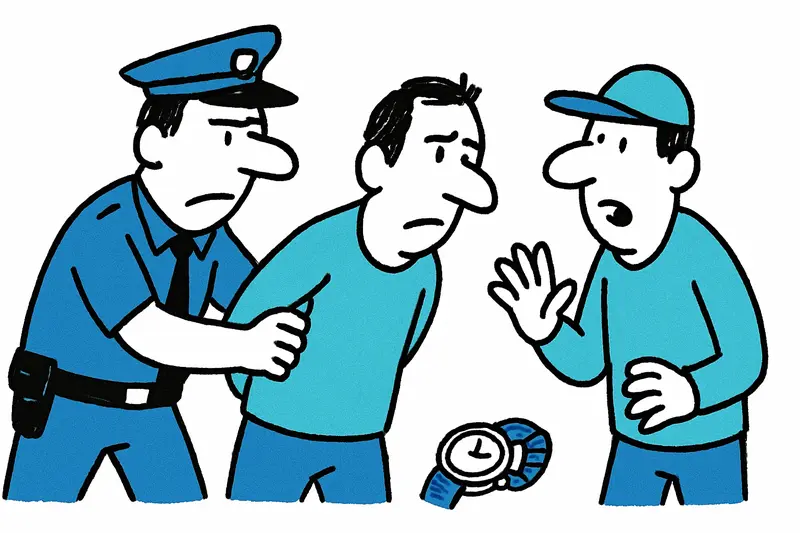
The morning began with the usual murmur of the old town: laughter from tourists on the Plaça de Cort, the clinking of espresso cups, the distant church bells. Then the report: In Barcelona the Policía Nacional arrested a man who is said to have snatched a luxury watch from a passerby in late September in Palma's narrow alley near the Carrer de Sant Miquel – a model investigators estimate at around €56,000; this incident is detailed in Robbery in Palma's Old Town: Luxury Watch Stolen — How Safe Are Evening Walks? The watch is still missing, a partner in crime is also at large. And suddenly you ask yourself: How safe is Palma's Old Town anymore?
The key question: prevention or reaction?
This is not a mere worry. Investigators report targeted surveillance of the victim for hours, a flight along short, well-known routes, seconds that decide everything. Such robberies are no coincidence but calculated actions with a clear perpetrator logic: observe, strike, disappear. In practice this means: Palma needs more than arrests in other cities. It needs preventive measures on site.
What the police do — and what is often missing
The Policía Nacional speaks of securing traces: camera footage is reviewed, witness statements compared. Cooperation with colleagues in Barcelona at least led to an arrest, as reported in Watch theft in Palma's Old Town: Escape ends in Barcelona – How safe are our streets? But the watch has not been returned, and the second offender is missing. That reveals a point that is not talked about enough in public debate: the perpetrators' follow-up routes. Often there are networks, middlemen and quick-sale outlets that remove the loot from the investigators' view within a very short time, a pattern also seen in Arrest after Jewelry Heist in Palma: Questions Remain.
Concrete approach: Faster, targeted checks at pawnshops, second-hand stores and online marketplaces could disrupt the disposal routes, a lesson echoed in Nighttime Break-ins in Palma: Arrest Stops the Spree — But How Safe Is the Old Town Really? Digital alerts for jewellers and traders would help detect suspicious offers more quickly.
The neighbourhood is unsettled
At the café on the Plaça de Cort the owner María puts it plainly: “The next morning regulars asked if it was still safe to go out in the evening.” The small venue breathes the concern of many business owners: reputational damage at a time when the Old Town is reviving. Residents report that the perpetrators moved close behind the victim and struck in a darker section of an alley. Scenes that take seconds but remain a topic every evening; similar local interventions were reported in Old Town Alarm in Palma: Three Off-Duty Police Stop Handbag Robbery — Time for a Security Check?
Overlooked issues: lighting, staffing, reporting chains
What often gets lost: many alleys are poorly lit, and lighting at doorways is missing or not functioning. Staff in cafés and shops are stressed during holiday seasons and cannot maintain constant observation. Added to this is that tourists more often wear valuables openly — an incentive for offenders. Authorities advise caution, but that is only half the solution.
Concrete approach: Better street lighting, targeted prevention training for shops and a local reporting channel (for example to a central Old Town watch station) could help identify and prevent incidents more quickly.
The trail to Barcelona — a sign of organized structures
That an arrest succeeded in Barcelona shows that networking between authorities works. At the same time it suggests that perpetrators are mobile and operate across regional borders. The watch may disappear into a network that enables quick turnover. In such cases investigations must be thought of not only locally but also trace trade routes and transport paths.
What residents and tourists can practically do
The recommendations are not new, but sometimes more effective than you might think: do not wear valuables openly, keep bags closed, shout for help if you are being followed and choose well-lit, busy routes. Anyone who has observed something should report it — even seemingly small details like a striking jacket or an unusual gait can be crucial.
Looking ahead: networking instead of soothing rhetoric
Palma remains lively: the music of street performers, the murmur during an evening stroll, the hum of mopeds. A single incident must not destroy the atmosphere. But it should be a reason to get smarter. More lighting, visible police presence at peak times, partnership programs with cafés and hotels, and digital alarm chains are concrete steps. And: Increased checks of secondary markets could make business much less attractive for offenders.
In the end there remains a feeling: we still go to the Plaça, hear the bells, order the next espresso — perhaps with one more eye on the watch on our wrist. And with the quiet expectation that prevention in Palma will no longer be just lip service.
Frequently asked questions
How safe is Palma’s Old Town for evening walks?
What should I do in Mallorca if someone seems to be following me?
Why do luxury watch thefts in Palma attract so much attention?
What should tourists avoid wearing in Palma’s Old Town?
Is Carrer de Sant Miquel in Palma safe to walk at night?
What can Palma shops and cafés do to reduce street robbery risks?
Why was the arrest made in Barcelona if the robbery happened in Palma?
What is the best way to report a suspicious incident in Palma’s Old Town?
Similar News

Who Gets Left Out? Why Overbookings Will Hit Many Mallorca Travelers This Summer
On hot check-in days at Son Sant Joan, frustrated travelers pile up. New figures from Reclamador.es show that a large sh...
When the Handyman Came: How an Engagement Ring Disappeared in Mallorca and What It Says About Trust
During a repair in Andratx a highly personal engagement ring went missing — a case that calls not only for punishment bu...
How Burglars Test Fincas in Mallorca — and What You Can Do About It
The Spanish National Police warn of a simple but effective trick: small markings on doors reveal whether a finca is occu...
Palma doubles blue zone: What this means for residents, tourists and narrow streets
From 1 January 2027 Palma's ORA area will grow from around 12,000 to 24,000 spaces. Key question: Will the expansion bri...

Engagement ring disappears during repair: court upholds prison sentences for plumber and partner
During a heating repair in an apartment in Andratx an engraved engagement ring disappeared. After a trace to a pawnshop ...
More to explore
Discover more interesting content

Can Cap de Bou

Townhouse Lleo 72
