
Traveling with a Dog or Cat to Mallorca: Between Cabin, Cargo Hold and Ferry Deck
Traveling to Mallorca with your four‑legged friend? This critical guide shows what pet owners really need to consider: flight and ferry risks, gaps in regulations, practical preparations and local solutions.
Shared holiday — good for the pet or just convenient for us?
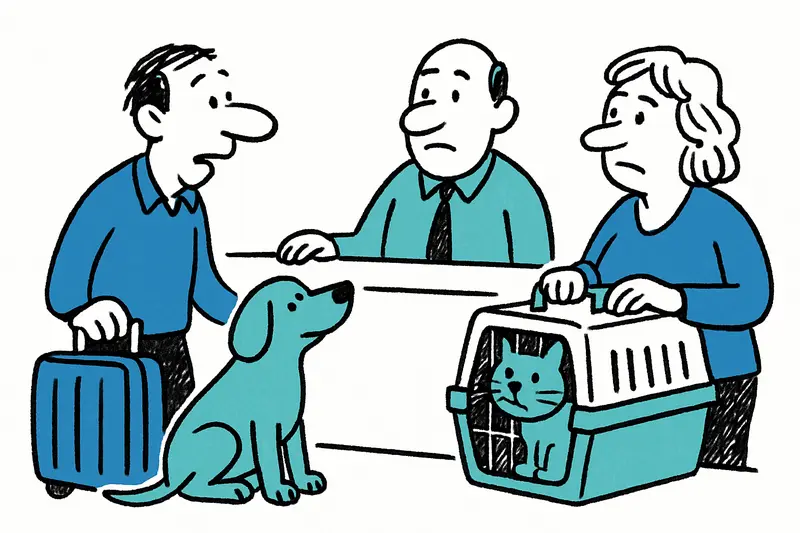
The picture is familiar: a dog lies exhausted in the trunk, a cat watches the crowd at the gate with suspicion. For many Mallorcans and holidaymakers the pet is part of the family. Still, we should honestly ask ourselves: does the trip bring joy to the animal — or are we stressing it because we can’t leave it behind?
Why the discussion needs to go deeper
Often articles focus on checklists and packing tips. More important are structural questions: why are airline rules so different? and debates such as Ryanair's new carry-on rule show how policies vary. How transparent are cabin capacities or the conditions in the cargo hold? On Mallorca you notice the consequences in high season: overcrowded ferries, long queues at Palma airport, heat at the port — all of this increases stress for animals and owners.
Flying: fast, but not always animal‑friendly
The advantage is obvious: it saves time. Many small animals may travel in the cabin, larger ones often go in the cargo hold. But that is precisely where problems lie: noise, vibrations, temperature spikes during delays and long waiting times before loading can be traumatizing. And because there are hardly any uniform inspections, owners rarely know how exactly their animal is transported. Guidance such as the IATA Live Animals Regulations exists but is not always visible to passengers. This creates uncertainty — and in the worst case dangerous situations, for example if the air conditioning fails or the animal panics.
Ferries: a calmer picture, but with pitfalls
On ships the situation seems more relaxed: you remain on board, can check on the animal from time to time and the sea air often has a calming effect. But ferries also have limits: limited places for animals, different cage sizes, strict rules about where animals may stay on deck — and in high summer it can get hot on board too. The combination of ship motion and heat is unpleasant for many dogs and cats; this becomes especially noticeable at dawn when the ferry enters port and the ship’s horn cuts through the fog. Past incidents highlight inspection and handling gaps, for example Palma: 27 hunting dogs dead in cargo hold — why inspections are failing.
What is missing in the public debate
Too rarely is attention paid to the psychological burden on owners, the economic consequences if an animal is not allowed to travel, or the responsibility of providers to make staff and procedures truly animal‑welfare compliant. Also hardly considered: the seasonally fluctuating availability of return services and emergency veterinary care on the island — a real problem, especially with spontaneous changes of plan.
Concrete steps for travelers — pragmatic and local
A structured plan reduces stress. Our recommendations for Mallorca:
Before booking: Call and obtain binding information: cabin rules, weight and crate dimensions, number of animals allowed per connection. In summer check‑in at Palma airport and the ports is busy; plan generously. For a full overview see Con perro o gato a Mallorca: ¿volar, ferry o renunciar? Una guía crítica.
Veterinarian & formalities: Check the microchip, have the EU pet passport complete, keep vaccinations up to date. Some entries require weeks of lead time — make appointments early, either with your practice at home or a vet in Palma.
Training: Familiarize the animal with the travel crate in good time, do short test trips, use positive reinforcement. Use local offers: some airports now have a pet area (zona de mascotas) or similar spaces to calm pets before check‑in.
Travel day: Light meal two hours before departure, have water available, pack a familiar blanket or a worn T‑shirt. In Mallorca’s heat early departures are advisable; a walk on the beach before leaving often calms an animal more than you might expect.
What politicians and providers could do
The island needs minimum standards: labeling of pet‑friendly areas, mandatory training for ground and cabin staff in handling animals, transparent information about temperatures and waiting times in cargo holds. At the ports, shaded and airy waiting zones for animals would make sense — the romantic idea of a foggy morning and a ship’s horn does not help a stressed dog.
Short checklist
Before the trip: vet appointment, EU passport, check microchip, measure the crate, contact the provider for binding information. On travel day: light meal, enough water, leash/carrier within reach, familiar blanket. Plan B: choose a direct connection without transfers or a ferry if your animal is sensitive.
Conclusion: there is no universal solution. But an honest assessment, good preparation and real pressure on providers can make travel more humane for animals. If, after an early walk on Playa de Palma, the dog dozes contentedly next to its person and the sea gently sighs, the effort was worth it. Still, as a community we should ensure that such moments don’t come at the expense of the animals.
Frequently asked questions
Is it better to fly or take the ferry to Mallorca with a dog or cat?
What should I check before travelling to Mallorca with a pet?
Can small dogs and cats fly in the cabin to Mallorca?
Is the cargo hold safe for pets on flights to Mallorca?
How hot is it for pets at Palma airport and the port in summer?
How can I prepare my dog or cat for a trip to Mallorca?
Do ferries to Mallorca have special rules for pets?
What should I do if my pet needs a vet in Mallorca while travelling?
Similar News

Maribel: Five Decades of Service – Housekeeper from Peguera Celebrated with a Special Honor
Over 50 years in the hotel business: María Isabel “Maribel” Molinos was honored in Palma at the Nit del Turisme by Unive...

Orange Alert over Parts of Mallorca: Are We Prepared?
Dark clouds and an announced wet spell have triggered an Orange alert in parts of Mallorca. A reality check: what's miss...

Sundair & Co.: Sale speculation and what it could mean for Mallorca
Rumors about a possible sale of the airlines Sundair and Fly Air 41, which belong to Schauinsland-Reisen — and whether b...
Anne Wünsche in Mallorca: A job offer with a catch — who fits the role of personal assistant?
Influencer Anne Wünsche has left Berlin and is urgently looking for a full-time personal assistant in Mallorca. Why the ...

Daily from New York: Palma Between Boom and Strain
United will increase the Newark–Palma route to daily flights in 2027 using Boeing aircraft (231 seats). What does the in...
More to explore
Discover more interesting content

Can Cap de Bou

Townhouse Lleo 72
