
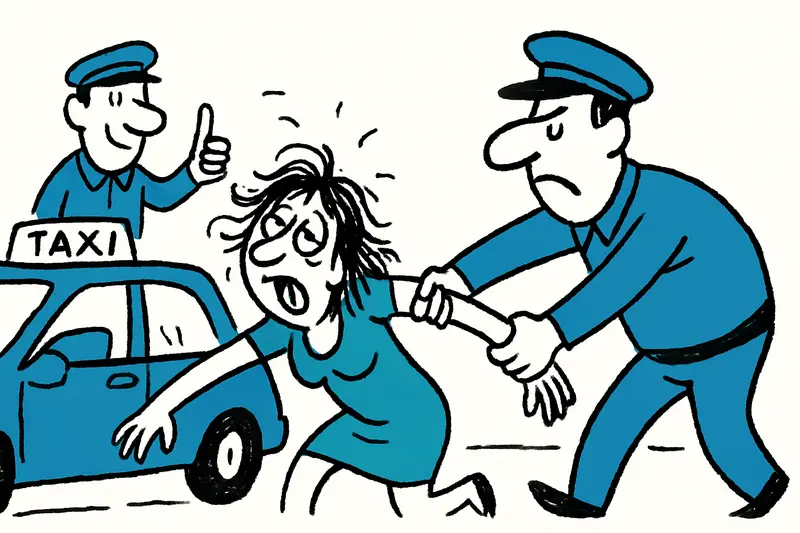
Paseo Marítimo: Taxi drivers stop drunk driver — a wake-up call for Palma's nightlife
Shortly after half past two in the morning, two taxi drivers on Palma's Paseo Marítimo stop a heavily intoxicated driver — an intervention that shows how much responsibility rests with individuals at night and what gaps the system reveals.
Paseo Marítimo: Between courage, sea and missing infrastructure
It's an image you don't forget quickly on the Paseo Marítimo: Conductora ebria detenida en el Paseo Marítimo: taxistas evitaron lo peor. Shortly after 2:30 a.m., bar lights still cast a dim orange on the asphalt, the smell of the sea mixes with fried-oil notes from the snack bar — and a car meanders along the promenade with a flat tire. Two taxi drivers watch, pump the brakes, position themselves in front of the car and finally bring it to a stop. Not a heroic epic, rather tangible civic courage on a night full of small dangers.
What happened — and why it's not a given
The scene was quick, matter-of-fact and a bit rough: hazard lights, high beams, cautious braking. One of the drivers films with his phone — not for the internet, witnesses say, but as evidence for the police. The driver appears heavily intoxicated, confused, barely responds. The taxi drivers feared she might head toward Llucmajor or onto the motorway — routes where every kilometer can become deadly quickly. Similar incidents have led to serious injuries in the area, as reported in Seriously injured on Palma's Paseo Marítimo: An accident, many questions. Minutes later the emergency services took over, the taxi drivers let their cigarette butts burn out and breathed a sigh of relief.
The central question
How much of nighttime protection actually rests in the hands of individuals? If taxi drivers, bartenders and night owls are regularly the first to intervene, that's an alarm signal for institutions. Civic courage is admirable — and insufficient if it masks the gaps of a system.
Aspects often left out of the debate
First: taxi drivers informally take on the role of law enforcers. They know the routes, the peak nights, the regulars — and then face decisions with legal and psychological consequences, a reality also highlighted in Night in Palma: Waking up on the street – what does this mean for taxi safety?. Second: nighttime police presence is sporadic. During large events or holidays officers are occupied; on other days regular patrols on the exit routes are missing. Third: the interaction of bars, clubs and transport is often imbalanced. Too few taxi ranks, scarce night buses, expensive rides after main going-out hours — this increases the temptation to use one's own car despite having been drinking.
Another, less discussed point: the psychological weight of intervening. People who act spontaneously often worry about retaliation, legal consequences or physical confrontations. That stops many from acting — and leaves the responsibility to those who do anyway.
Concrete opportunities — what could help quickly
From such an incident, practical measures can be derived that could have an effect without long delays:
Targeted checks: regular alcohol and drug checks on known exit routes, especially on weekends and holidays like Halloween, would act preventively and increase the perception of safety. Guidance on roadside controls is available from the Dirección General de Tráfico (DGT).
Cooperation with taxi companies: training for drivers, clear legal guidelines and a central reporting channel create trust. Taxi companies know the reality of the night — listening to them is not a luxury but smart crisis management.
Alternative night transport: subsidized night bus lines, longer operating hours or fixed fares for rides during peak going-out times reduce the economic incentive to take one's own car.
Awareness campaigns: not only prominently before holidays but continuously — in bars, at universities and via social media — with clear messages about planning the journey home. A plan makes you sober: those who know how they'll get home are less likely to drive drunk.
Legal protection for helpers: Good Samaritan rules that legally protect civic courage could reduce the risk of helpers exposing themselves to criminal or financial consequences. This also includes simple reporting processes and clear communication by authorities.
A personal impression — and an appeal
On site the scene was not dramatically staged but pragmatic: two men who wanted to prevent the worst; a woman who was apparently completely out of sync; the promenade stirred by conversations, music from a nearby bar and the roar of the sea. The drivers exchanged numbers, smoked, seemed relieved — but also tense. It wasn't pathos that was missing, it was structure.
Courage alone is not enough. The city administration, the police and the nighttime industry must honestly cooperate: more reliable night transport, clearer checks, legal protection for helpers and a joint prevention strategy. Then such situations would occur less often — and the small acts of heroism on Palma's streets would no longer be necessary.
Those who go out at night should know: it takes not only people who intervene. It takes systems that make intervention unnecessary.
Frequently asked questions
What happened on Palma’s Paseo Marítimo when taxi drivers stopped a drunk driver?
Is it common to see drunk driving problems in Palma’s nightlife areas?
Why is the Paseo Marítimo in Palma considered difficult at night?
What should you do if you see someone trying to drive drunk in Mallorca?
How can Mallorca reduce drunk driving after nights out in Palma?
Are there enough taxis and night buses in Palma for people leaving the bars?
What makes taxi drivers important for safety in Palma at night?
What legal protection do people need if they step in to stop a dangerous driver in Mallorca?
Similar News

Maribel: Five Decades of Service – Housekeeper from Peguera Celebrated with a Special Honor
Over 50 years in the hotel business: María Isabel “Maribel” Molinos was honored in Palma at the Nit del Turisme by Unive...
Orange Alert over Parts of Mallorca: Are We Prepared?
Dark clouds and an announced wet spell have triggered an Orange alert in parts of Mallorca. A reality check: what's miss...
Sundair & Co.: Sale speculation and what it could mean for Mallorca
Rumors about a possible sale of the airlines Sundair and Fly Air 41, which belong to Schauinsland-Reisen — and whether b...
Anne Wünsche in Mallorca: A job offer with a catch — who fits the role of personal assistant?
Influencer Anne Wünsche has left Berlin and is urgently looking for a full-time personal assistant in Mallorca. Why the ...
Daily from New York: Palma Between Boom and Strain
United will increase the Newark–Palma route to daily flights in 2027 using Boeing aircraft (231 seats). What does the in...
More to explore
Discover more interesting content

Can Cap de Bou

Townhouse Lleo 72
