
Fatal accident in Santa Margalida: Concrete slabs bury worker – How safe are our construction sites?
A 57-year-old worker died when heavy concrete slabs collapsed on him. Investigations are underway – the municipality is calling for more inspections and better standards on construction sites.
Shock in Santa Margalida: A worker dies under falling concrete slabs
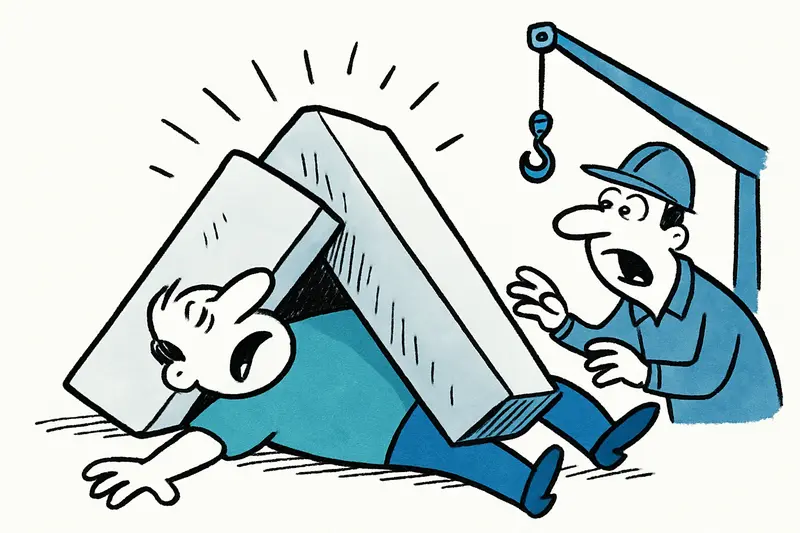
In the late afternoon the Camí des Forn briefly turned into a place of dismay. Around 3:30 p.m. several heavy concrete slabs toppled over at a small construction site and buried a 57-year-old worker beneath them. Colleagues tried to start rescue measures with a crane; the emergency doctor could only pronounce death. A dull bang, screams, then sudden silence – this is how residents describe the horror that struck the street during an ordinary workday. The incident has been covered in Concrete stacks in Santa Margalida: When the safety chain fails.
Investigations: What do the authorities know — and what don't they?
Police and the occupational safety authority cordoned off the accident site, are securing traces and questioning witnesses. Officially, the cause is still unclear; whether safety regulations were violated must be shown by the ongoing investigations and compared with INSST construction safety guidelines. That authorities must deliver results quickly is not just a formality: for the relatives, colleagues and neighbours it is about clarification and responsibility.
According to witness reports, the slabs apparently lay unsecured — stacked, not adequately anchored. A worker who does not want to be named describes the scene: 'We often work here under time pressure. You can see how things are placed temporarily. Today something went terribly wrong.'
More than an isolated case: Exposing systemic weaknesses
The fatality raises questions that go beyond this single construction site. In Mallorca many projects are carried out by subcontractors; teams often change quickly, language and training levels vary. Similar incidents are reported elsewhere, for example Another accident at Palma Airport: Worker falls on construction site — who protects the employees?. Added to this is economic pressure: tight deadlines, limited budgets — ideal conditions for safety measures to fall by the wayside.
What rarely comes up enough in public debates is the everyday logistics on our construction sites. Where and how are heavy materials stored? Who is responsible for securing them when multiple companies work at once? And how often does the occupational safety authority actually inspect — is the island's staff sufficient to check across the board?
Concrete weaknesses that should be addressed now
From the tragic tally, concrete points can be derived that can be changed faster than with words alone:
1. Storage and labeling: Heavy components must be firmly secured and clearly marked. Temporary barriers and stabilizing wooden wedges are simple measures.
2. Increase inspection frequency: Random checks by the occupational safety authority, supplemented by municipal inspections, could uncover risk areas faster, a principle echoed in European Agency for Safety and Health at Work recommendations.
3. Training and documentation: All teams working on site should provide mandatory safety briefings and uniform documentation — especially when subcontractors change.
4. Reporting channels for residents: Neighbours often see things authorities do not. A simple, well-communicated reporting channel in the municipality could quickly direct critical tips to the right places.
5. Transparent responsibility: Who approves storage locations for heavy materials? Who is liable financially and criminally if securing is inadequate? Clear rules and traceability are needed here.
The town centre feels the loss
In the bar on the corner of Camí des Forn the mood is subdued: espresso cups remain untouched, the bar stools are emptier than usual. The bells of Santa Margalida church toll in the distance, a light breeze carries the smell of freshly cut hay from the surrounding countryside. Such details remind us how closely jobs, neighbourhoods and everyday life are linked here.
Many of the deceased's colleagues are visibly shaken; psychological support was already offered on site through IB-Salut psychological support services. The municipality has promised help to the relatives and announced it will examine possible preventive measures following the investigations.
What needs to be done now — and how the municipality should respond
The central question remains: Will this tragic incident lead to concrete changes, or will it remain one of many sad stories? Santa Margalida now needs more than sympathy: transparent investigation results, rapid implementation of practical protective measures and clear communication to citizens and workers.
We demand — in the interests of the people who do heavy work here every day — that lessons be learned from the tragedy. Short checklists before the start of construction work, visible securing measures, regular inspections and simple reporting channels for residents would be quick, effective steps. And in the long term: more staff for inspections and clear sanctions when rules are ignored.
Investigations continue. Witnesses who have not yet spoken to the authorities are asked to come forward. The memory of the loss remains; so does the expectation that such accidents need not be repeated.
Frequently asked questions
How safe are construction sites in Mallorca?
What should workers watch out for on a Mallorca construction site?
What are the most common causes of construction accidents in Mallorca?
When is construction work most risky in Mallorca?
What happened in Santa Margalida with the concrete slabs?
Why are construction accidents in Santa Margalida so serious for the local community?
How often are construction sites inspected in Mallorca?
What can residents do if they notice unsafe construction work in Mallorca?
Similar News
Son Mayol in Establiments: Massive estate with winery for €34 million — what does it mean for the island?
Son Mayol, 97 hectares near Palma with a wine cellar, chapel and 25 hectares of vineyards is for sale for €34 million. A...
Shock on the A8: Ballermann singer in serious rear-end crash — what remains besides the wreckage?
Near Pforzheim, a Mercedes with Milla Pink (40) collided with a Daihatsu. No injuries — but the incident raises question...
Dwarf palms, hands, ideas: Llata in Cala Rajada lives on
A workshop in Cala Rajada keeps the Llata weaving tradition alive: braided baskets, modern bags and courses bring plants...
Fire at the Son Hugo Parking Lot: Was it Arson — and Who Protects the Caravan Community?
A fire at the Son Hugo sports complex parking lot destroyed several caravans and traumatized residents. The National Pol...
When Help Takes Too Long: Fainting at the Airport and Gaps in the Emergency Network
A 19-year-old airport employee lost consciousness. An ambulance did not arrive until about 40 minutes later. Why does he...
More to explore
Discover more interesting content

Can Cap de Bou

Townhouse Lleo 72
