

When Servers Strike: How a Cyberattack Disrupted Flights to Mallorca
A failure of third-party systems caused long queues at check-in counters across Europe this morning — and delays for flights to Palma. Why the island was especially affected and what should happen now.
Sudden queues at the counter: How an external server hit Mallorca
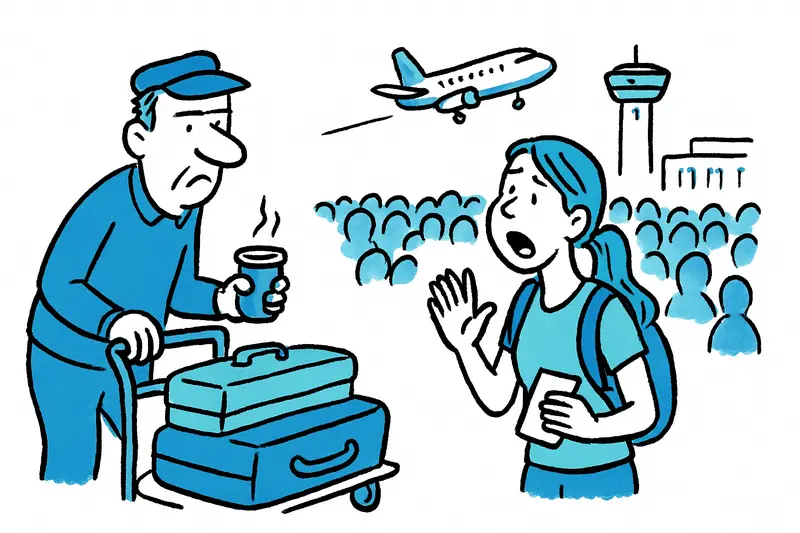
Early on Saturday morning: the usual murmur in the departures hall of Son Sant Joan, the rattle of rolling suitcases and the scent of freshly brewed café con leche. Then routines stalled. At several European airports, externally operated check-in and boarding systems failed, with coverage of a cyberattack that paralyzed check-in systems. The result: queues, frantic switches to manual procedures and delays that reached as far as Palma.
The central question: How dependent are we on external software?
Many airlines and ground handlers rely on the same third-party provider. If that provider's system fails, it is not just one airport that is affected but entire route chains. That is the simple, uncomfortable answer: Mallorca flights were delayed, connection times were disrupted, and families with tight connections broke into a sweat instead of enjoying their holidays. The key question we must ask ourselves: Is the island's connection to mainland air traffic insufficiently resilient against such outages?
What exactly happened — and what is rarely discussed
Officially, the affected airports said there was a technical problem with a third-party provider and that teams were working on a solution. Less visible, however, are two points: first, the cascade effect on flight schedules. A delay in Brussels or Berlin, such as the hours-long delay at BER reported recently, often triggers chains of flights that extend to Palma. Second, the lack of real-time transparency for travelers — when apps and gate displays are reliable, everything runs smoothly; when they are not, passengers mull in waiting areas and seek information at overwhelmed counters.
Local impact at Son Sant Joan Airport
At the Palma terminal this morning you could hear more trolleys than usual, the beeping of suitcase locks and announcements in Catalan and English reporting "Delayed" instead of "Boarding". Staff improvised check-in desks and paper forms circulated across counters. The busiest morning hours were hit hardest: anyone arriving between 9 and 11 a.m. had to allow significantly more time. Taxis in front of the terminal worked at full throttle, and buses filled irregularly — a logistical challenge for the island, which depends on punctual tourist arrivals.
Concrete risks for Mallorca
Such outages are not just an annoyance for travelers. They hit the local economy: delayed transfers, missed shuttle services, overloaded car rental desks. Families with connecting flights face additional costs, and hotels lose welcome time. Especially after busy holiday periods, when every bit of tourism efficiency matters, these disruptions add up, and they can compound with other disruptions — see coverage of strikes at Mallorca's airports — amplifying the economic hit.
What travelers should do immediately
1. Check your flight status directly with the airline and not only on third-party sites.
2. Allow considerably more time for check-in and security.
3. Keep your ID, app boarding pass or printed boarding pass and baggage receipt ready — this speeds up manual procedures.
4. Find out about connection options on Mallorca: taxi hotlines, local bus numbers, contact details for hotels. A seat in a café near the gate is a wise investment today.
Solutions: What airports, airlines and policymakers should do now
The immediate response of technical teams is important, but not enough. We need on Mallorca and elsewhere:
- Redundancy: Multiple, independent systems and local offline protocols so that check-in can work even without a central cloud.
- Transparency: A clear information chain for travelers — mandatory push notifications in case of failures.
- Staffing: More trained personnel for manual procedures on critical days.
- Regulatory requirements: Resilience checks for third-party providers and minimum standards for SLAs (Service Level Agreements).
- Emergency drills: Regular simulations of outages, including joint exercises with island operators and tourism associations.
Looking ahead: Opportunities in the crisis
Incidents like this are unpleasant — but they also present opportunities. Airports such as Son Sant Joan could test local, robust check-in stations and explore cooperation with island-based IT providers. Airlines could reduce dependence on single providers. And travelers learn: a bit of caution and a relaxed plan B make travel to Mallorca less dramatic.
According to their own statements, technical teams are working intensively to restore systems. Until then: stay calm, arrive early, and keep sight of what matters — the Mallorcan wind outside will carry the delay away, and before long the arrivals hall will smell only of coffee and sea again.
Frequently asked questions
Why were flights to Mallorca delayed during the cyberattack?
What should I do if my Mallorca flight is affected by a check-in system outage?
How much extra time should I allow when flying to Mallorca after a disruption?
Is Palma airport usually affected when other European airports have problems?
What is happening at Son Sant Joan airport when systems go down?
How do flight delays affect travel and hotels in Mallorca?
What can travelers do in Mallorca if their boarding pass app stops working?
Why do experts say airports need better backup systems for Mallorca flights?
Similar News

Maribel: Five Decades of Service – Housekeeper from Peguera Celebrated with a Special Honor
Over 50 years in the hotel business: María Isabel “Maribel” Molinos was honored in Palma at the Nit del Turisme by Unive...

Orange Alert over Parts of Mallorca: Are We Prepared?
Dark clouds and an announced wet spell have triggered an Orange alert in parts of Mallorca. A reality check: what's miss...

Sundair & Co.: Sale speculation and what it could mean for Mallorca
Rumors about a possible sale of the airlines Sundair and Fly Air 41, which belong to Schauinsland-Reisen — and whether b...
Anne Wünsche in Mallorca: A job offer with a catch — who fits the role of personal assistant?
Influencer Anne Wünsche has left Berlin and is urgently looking for a full-time personal assistant in Mallorca. Why the ...
Daily from New York: Palma Between Boom and Strain
United will increase the Newark–Palma route to daily flights in 2027 using Boeing aircraft (231 seats). What does the in...
More to explore
Discover more interesting content

Can Cap de Bou

Townhouse Lleo 72
