
Dangerous Winter Sleep on the Avenidas: Questions of Control and Prevention
Dangerous Winter Sleep on the Avenidas: Questions of Control and Prevention
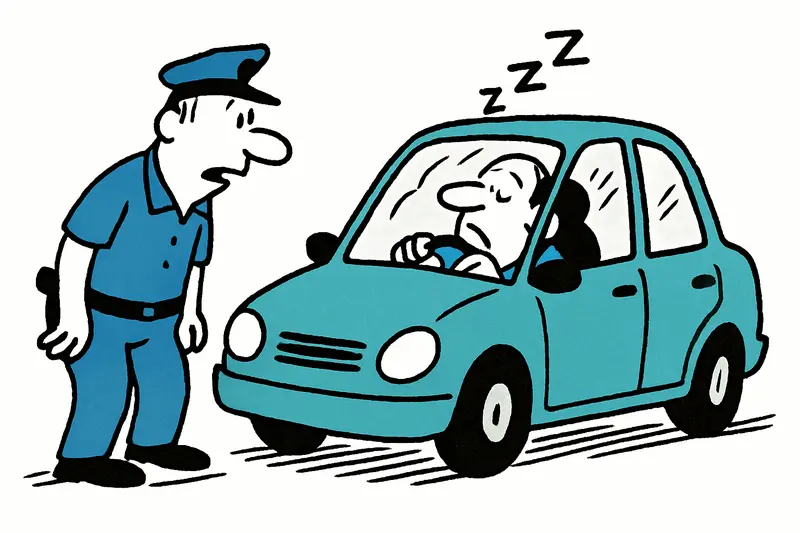
A car with its engine running and fogged windows blocked the Avenidas in Palma — the driver was asleep and three people were inside. Time to discuss gaps in controls and exit options for intoxicated people.
Dangerous Winter Sleep on the Avenidas: Questions of Control and Prevention
An incident early in the morning shows: visible police alone is not enough.
Key question: How can the city and traffic safety authorities prevent intoxicated drivers from falling asleep in the middle of a main road and endangering other people?
Early on Sunday morning, around 7:40 a.m., residents and road users reported a stationary vehicle in the middle of the Avenidas in Palma. A municipal patrol found the car with the engine running, the windows fogged from the inside, and three people asleep inside. The driver, a 28-year-old man of Bolivian nationality, showed clear signs of alcohol after being awakened; a test showed an elevated level. Police initiated proceedings for an alleged violation of road safety and arranged for the vehicle to be towed. Officers also noted that the man had previously appeared for an earlier traffic offense.
Such hard facts are quick to tell. Harder are the questions that arise from them: Was this an isolated case, or a symptom of gaps in night and early-morning surveillance? Why did the car end up in the middle of the Avenidas rather than on a quiet side lane? And what prevention measures are missing so that residents, cyclists or buses are not repeatedly put at risk?
A sober analysis reveals several problem areas. First: response times and presence. Reports came from multiple people — yet the control center still had to coordinate the situation. Second: alternatives for intoxicated people. If taxi ranks, night express buses or cooperation with the Guardia are not accessible, people sometimes choose to stay in the car. Third: risk of repeat offenses. Police noted the driver's prior convictions; repeat offenders indicate that mere threat of punishment often is not enough.
Public debate often lacks two things: reliable figures and local everyday perspectives. Headlines are discussed, but rarely the hours between 4 and 8 a.m. on weekends, when bars close, cleaning crews start work and taxi drivers begin their shifts. We need data: How many incidents involving sleeping or intoxicated drivers occurred in Palma last year? How often were the same people involved? Without such numbers the debate remains superficial. Local reporting has highlighted other late-night incidents and discussions, for example Balcony fall in Palma: When sleepwalking can become a deadly danger and the question of Avenidas in Palma: Must the Christmas lighting lead to road closures?.
A scene many Majorcans know: the Avenidas in the morning hours. Street sweepers in yellow vests, the rhythm of the garbage trucks, the smell of fresh coffee from small bars on the Gran Via, occasional joggers. It is precisely there that a stationary car not only disrupts traffic but also the city's usual rhythm. People stop, watch, phone flashes, a bus honks, a cyclist swerves. Such moments are small disturbances with great risk. Residents also point to other nighttime burdens, such as aircraft noise, in broader debates about night-time quality of life ('Our bedroom sounds like a workshop' – Palma residents demand night flight ban).
Concrete approaches we could address immediately here in Palma:
1) More visible checks during critical hours: Mobile breath tests and targeted presence between 2 a.m. and 8 a.m. on known routes. Not to hassle people, but to prevent dangers.
2) Low-threshold exit options: Agreements with taxi companies, night express buses or courier services that can safely pick up intoxicated people from central hotspots. A small municipal subsidy for the first ride could ease many situations.
3) Better support for repeat offenders: For people with prior traffic offenses, consider mandatory measures such as counselling, compulsory alcohol education and, if necessary, technical measures (e.g. vehicle locks) — always within legal frameworks.
4) Optimize towing and clearance times: Faster clearing of main roads, combined with immediate on-site fitness-to-drive checks, so blocked lanes do not become a lasting burden.
5) Information where nights end: Small signs at bar exits, info flyers in taxis and at stops that point to safe ways home — not lecturing, but practical.
Of course these are proposals, not a cure-all. They require coordination between the city council, Policía Local, taxi operators, bar owners and social services. But they are pragmatic and feasible on Mallorca. A few well-placed checks and a reliable ride-home offer can significantly reduce the number of dangerous incidents.
Conclusion: The incident on the Avenidas was dangerous and avoidable. The problem does not end with legal proceedings against a single driver. It lies in the mix of patchy presence, missing options for intoxicated people and insufficient support for at-risk individuals. If Palma wants the streets to flow again in the mornings and people to be safer, we must act pragmatically — with visible police, reliable ride-home options and programs against repeat offenders. That way the Avenidas would be where it belongs again: a vibrant street, not a sleeping place with accident potential.
Frequently asked questions
What should I do if I see a driver asleep in a car on a road in Mallorca?
Are late-night traffic checks in Palma enough to stop drunk driving?
When is driving after a night out most dangerous in Mallorca?
What are the best ways to get home safely after drinking in Mallorca?
Why are the Avenidas in Palma especially sensitive to blocked traffic incidents?
Can the police tow a car in Palma if the driver is intoxicated and the vehicle is blocking traffic?
What can Palma do to reduce repeat drunk-driving incidents?
Is it legal to sleep in your car in Mallorca if you are drunk?
Similar News
Rental Car Theft in El Arenal: What This Incident Reveals About Our Gaps
A teenager steals a running rental car in El Arenal, flees on foot, climbs over walls and is caught by the Guardia Civil...

Red Rope in Palma's Library: What Helps Against Selfie Tourism — and What's Missing
Palma's city library cordoned off an area with a red rope to keep selfie tourism away from reading and working activitie...

Fort San Carlos: Museum, Harbor Dispute — and a Conflict That Demands Answers
The military museum at Fort San Carlos sits right on Palma's harbor, with unexpectedly quiet rooms filled with cannons a...
Old Town Under Pressure: When a Doorway Becomes a Sleeping and Shower Place
For months a woman has been living with a parasol, a clothes rack and personal belongings next to the social welfare off...

When Shopping Weighs Heavier: Mallorca Demands a Tax Pause on Food and Fuel
Rising prices are putting pressure on households and agriculture. The Balearic Islands are calling for temporary tax rel...
More to explore
Discover more interesting content

Can Cap de Bou

Townhouse Lleo 72
