
Death of Acrobat Martina Barceló: Family Farewell in Bautzen and Unanswered Questions
A family from Palma travels to Bautzen to say goodbye to 26-year-old acrobat Martina Barceló. The shock is deep — and unanswered questions remain about safety in circus life and how grief is handled in public.
Family from Mallorca in Bautzen: grief, farewell — and the question: could the accident have been prevented?
On Sunday afternoon a small delegation from Palma arrived in the Saxon town of Bautzen: Maite Cerdà, Gabriel Barceló and their 29-year-old son. They had come to say goodbye to Martina, the 26-year-old acrobat who died in an on-stage accident. This was reported in Muerte de la acróbata Martina Barceló: despedida familiar en Bautzen y preguntas sin respuesta. The days are cool, the wind carries the distant murmur of a river through the streets — and the family looks as if they never expected to have to mourn so suddenly in another place.
The accident in the ring — what we know
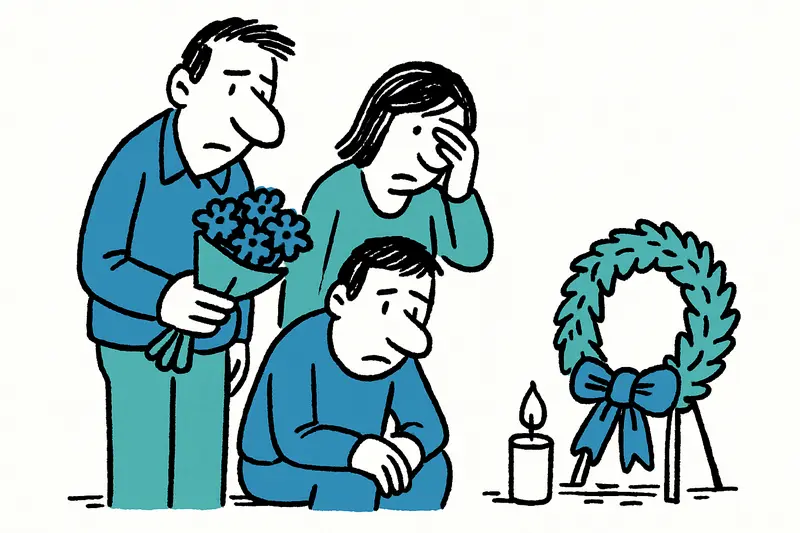
Witnesses report that Martina fell headfirst into the ring during a trapeze act from a height of around five metres, as reported in Artista mallorquina muere durante una actuación de circo en Bautzen. About a hundred spectators followed the performance; emergency services began resuscitation attempts immediately, but the measures were unsuccessful. For the parents, who arrived only days later, the news was a shock they still cannot comprehend. 'We have not processed it yet,' the mother said quietly. A wreath lay where the artist had fallen — a quiet, makeshift altar amid a place that is beginning to sound different: less laughter, more muted voices.
Who was Martina? Between Palma, caravan and stage light
Martina grew up on Mallorca, learned her craft in Palma, spent an Erasmus year in the Netherlands and ultimately found her place in the European circus scene. Friends describe her as disciplined, headstrong and creative: she sewed her own costumes, learned German and often lived in a caravan while touring towns and regions with ensembles. The image of her — on the road, with needle and thread, an espresso in hand after rehearsal — stands in stark contrast to the abrupt way her life ended, as documented in Mallorca's Share of Grief: Circus Artist Dies During Performance in Germany.
Media, social networks and violated privacy
The family criticises parts of the coverage and posts on social media as sensationalist. In times when images, speculation and rumours travel faster than facts, the bereaved often find themselves between camera lenses and comment sections. This raises the question of how journalism and the public should handle deaths in public spaces sensitively — especially when relatives are thousands of kilometres away and need space to grieve.
The less visible side of circus life
The accident also exposes another often overlooked issue: the conditions under which travelling artists work. Life in the tent is tough — noisy nights, improvised sleeping places, little stable social infrastructure. Many performers live with precarious contracts, changing stages and minimal breaks between performances. When something happens, it affects not only the individual artist but a network of colleagues, parents and friends who often have limited legal or psychosocial support.
Open questions — and concrete steps that could be taken
The central question remains: could the accident have been prevented? At present, there is a lack of reliable public information on technical details, safety inspections or the safety nets used. That this raises questions is understandable. From these questions, however, concrete demands can be derived:
- Better transparency after accidents: Quickly available and verified information helps curb speculation and preserves dignity for relatives.
- Verifiable technical equipment and regular safety checks: Uniform standards for tents, ropes and safety devices, verifiable and documented.
- Stronger social protection for travelling artists: Emergency contacts linked to home regions (such as in Mallorca), counselling and psychosocial support, as well as clear responsibilities in international incidents.
- Increased sensitivity in media and social networks: Respectful reporting, restraint with images and personal data of the bereaved.
What Mallorca can do — small steps with impact
The scene in Mallorca knows one another: theatre makers, acrobats and arts colleges. A joint initiative could help in the short term — for example a list of emergency contacts for travelling artists, information sessions on insurance solutions or joint workshops on safety standards. Even offering a point of contact in Palma for grieving families can help reduce logistical and bureaucratic pressure. Such practical measures would strengthen the sense that the island does not abandon anyone when life on the road turns catastrophic.
A quiet farewell — and the duty to look more closely
On site in Bautzen: a few cards, faded flowers, candle stubs. Colleagues are planning a private farewell; Martina's equipment is to be handed over to her parents. That is consoling — and only a small comfort for a family that wants to return to Palma to continue mourning in familiar surroundings. At the same time, the public should not rush to quick conclusions. Instead, now is the time to name and close structural gaps so that in future fewer families from Mallorca and elsewhere have to make such a journey.
Note: Memorials and private farewell rituals deserve respect and protection from sensationalism. Organisers have announced that the planned farewell will be held in a small private circle.
Frequently asked questions
What happened to the acrobat from Mallorca who died during a performance in Germany?
When is the death of a circus artist in Mallorca and Germany likely to raise safety questions?
How do Mallorca families usually cope when a relative dies abroad?
Why are media coverage and social media criticism an issue in cases like Martina Barceló’s death?
What do we know about Martina Barceló’s life and work before the accident?
What is life like for travelling circus artists in Mallorca and abroad?
How could Mallorca better support travelling artists after accidents?
Can Martina Barceló’s family return to Mallorca for a private farewell?
Similar News
Fear in the Sa Teulera Forest: Youth Groups Harass Cruising Zone in Palma
In the wooded area of Sa Teulera, those affected report verbal attacks, property damage and intimidation. How safe is th...
Axa opens first health center in Palma: €3 million, 650 m² and more local access for La Vileta
In the heart of La Vileta, Axa has opened its first own health center in Mallorca. On around 650 square meters and with ...
30 Years of Nit de l'Art: What Palma's Art Night Really Shows — and Conceals
Nit de l'Art celebrated its thirtieth anniversary: full galleries, young visitors — and the quiet tensions between the a...
Hunt for Older Holidaymakers: Arrests after Suspected Pickpocketing in Port d'Andratx and Bellver
Five suspects were arrested after investigators accuse them of targeted pickpocketing of elderly tourists in Port d'Andr...
Knife stabbing in Magaluf: Why it must not remain an isolated incident
A 21-year-old tourist was stabbed in the chest in Magaluf and is in life-threatening condition. A reality check: what's ...
More to explore
Discover more interesting content

Can Cap de Bou

Townhouse Lleo 72
