

Mallorca's Share of Grief: Circus Artist Dies During Performance in Germany
A 27-year-old performer residing in Mallorca fell to her death during a show in Bautzen. The island is in mourning, questions about safety arise, and there are calls for clear regulations.
Sudden silence in the ring — and on Mallorca
On Saturday evening a piece of news swept over the island that immediately stopped conversations at coffee tables, bars and the market: a 27-year-old circus artist who lived on Mallorca died during a performance in Bautzen. Eyewitnesses report that she fell about five metres into the ring and died on the spot. Many spectators left the tent in shock, parents pulled their children away — the silence afterward felt like a large, torn curtain.
Who she was: between Playa de Palma and the trapeze
On Mallorca most people knew her by her first name. Her social media posts showed morning sun at Playa de Palma, runs along the Passeig Marítim and short, reflective texts between rehearsals. She worked for various circus companies across Europe; Germany, Austria and Poland were among her stops. Friends describe her as someone who loved island life but found her true home on the trapeze.
How the fall occurred is still unclear. Investigations in Germany are ongoing, and colleagues are stunned; a family from Palma travelled to Bautzen as described in Death of Acrobat Martina Barceló: Family Farewell in Bautzen and Unanswered Questions. Apparently the artist performed this act without a safety line — a risk that is consciously accepted in parts of the scene. Whether a technical defect, material failure or a moment of inattention triggered the accident will be revealed by the inquiries.
Mourning in narrow streets
Reactions on the island are quiet and personal. In Son Canals a neighbour remembers how she used to pass by every morning greeting the dog; at Plaça Major people meet for coffee to look at photos and share memories. Small memorial groups form in Facebook groups and WhatsApp chats, and flowers and candles appear in corners where young artists usually make plans. The sound of the church mixes with the sea breeze — and with the quiet astonishment that someone preferred to be high above the ring rather than stay on the ground.
The key question: How safe is the circus today?
The accident raises not only questions of personal fate but also brings a structural issue into focus: how are safety standards implemented in the circus world — and who bears responsibility? This concern has been explored in Fall in the Ring: Why the Safety of Female Performers from Mallorca Needs More Attention. On Mallorca, as elsewhere, the scene is heterogeneous: large companies with their own safety protocols exist alongside small troupes that operate flexibly and often without large reserves. Many acts rely on the freedom of performing without nets or safety lines; this creates excitement for the audience but also increases danger.
What is often missing from the public debate are the economic pressures: for many performers, tours and engagements are existential. They work in changing tents and venues, with varying technical equipment and differing medical support. On Mallorca, where there is no central registry for travelling artists, no one knows exactly how many people are affected by such insecure conditions.
Concrete opportunities and approaches
The tragic incident also offers a chance to initiate tangible improvements. Some proposals from the scene and local island pages include:
Standardised safety inspections: Uniform technical checks of rigging and safety systems before tours start and when changing locations, following working at height guidance.
Certifications and further training: Mandatory courses on rigging, first aid and emergency management, financially supported by an island grant program or private funds.
Emergency and insurance standards: Legal minimum requirements for medical provision and rescue concepts at performances — especially for open-air events or tents with limited access.
Registry network for travelling artists: A voluntary but well-arranged platform on the island that brings together contacts, qualifications and points of contact — from labour law to return assistance.
Solidarity fund: A safety net for cases where injured or bereaved artists need quick support — financially and administratively.
Remembrance and responsibility
Until the investigations are complete, there is room for mourning and remembrance. On Mallorca this shows in clumsy but sincere gestures: candles at the market, quiet chats about rehearsals together, the distant roar of the sea accompanying the conversations. The tragedy is a reminder to seek the balance between artistic freedom and technical responsibility.
Our thoughts are with the family and friends of the deceased. Local groups on the island are now sharing information about remembrance events; anyone who wants to pay their respects can find initial details there. And while the summer winds blow along the promenade and the clinking of cups can be heard somewhere, the question remains: how many more risks must become visible before something changes?
Frequently asked questions
Why are people in Mallorca talking about the circus accident in Germany?
How safe are circus performances without a safety line?
What is happening in Mallorca after the death of the young circus artist?
Who was the circus artist from Mallorca who died in Bautzen?
Is there a public memorial for the Mallorca circus performer?
What does the circus accident in Germany mean for safety standards on Mallorca?
Where in Mallorca did people know the circus performer from?
What support is being discussed for travelling artists in Mallorca?
Similar News
Failed before the first flight: How Fischer Air's plans for Palma were ground down
Announced routes, repeated postponements and now apparent insolvency: Why the Fischer Air project for Mallorca is not me...
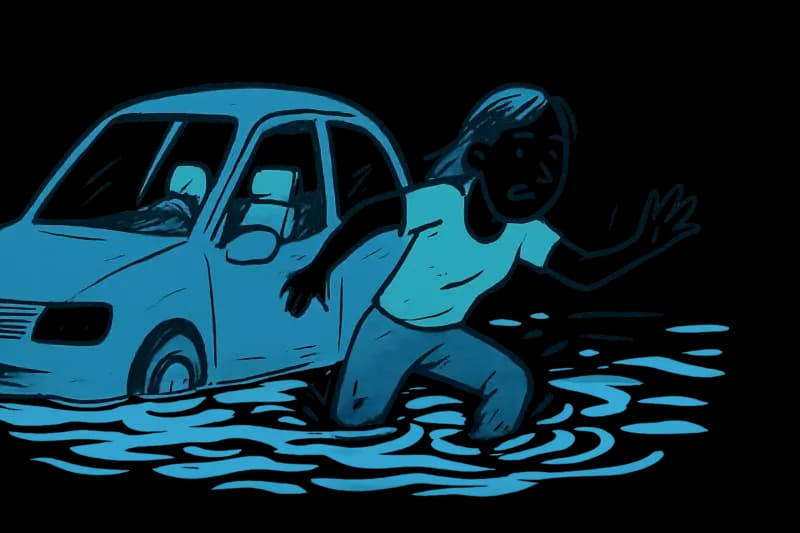
Seconds in the Water: 19-year-old Fights Her Way Out of Flooded Car in Palma
A 19-year-old managed to rescue herself from her half-submerged car after sliding under the Verge de Lluc underpass. Res...
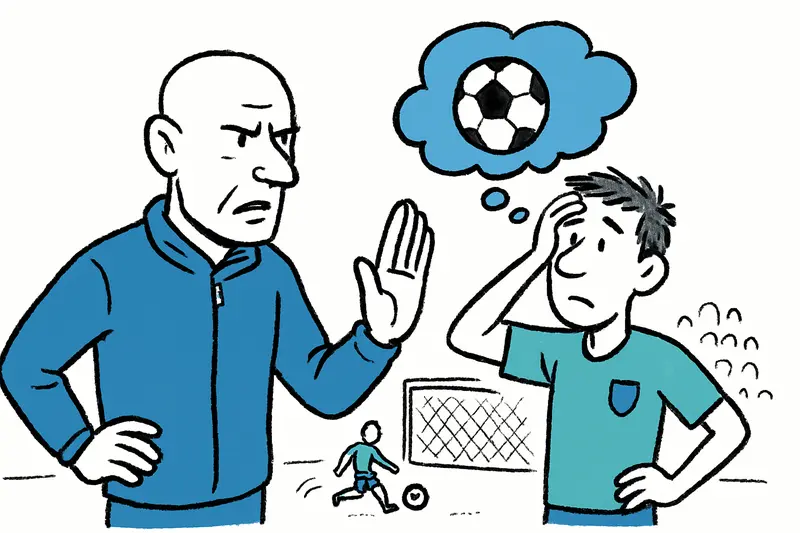
Between Dream and Reality: Thorsten Legat and the Challenges of FC Germania Mallorca
The former Bundesliga pro has assembled a colorful squad in a short time. But how realistic is the grand plan for promot...

Arrest warrant at check-in: Why two travelers at Cologne/Bonn Airport suddenly had to pay
At Cologne/Bonn Airport, federal police in mid-September found two German passengers subject to enforcement measures. Bo...
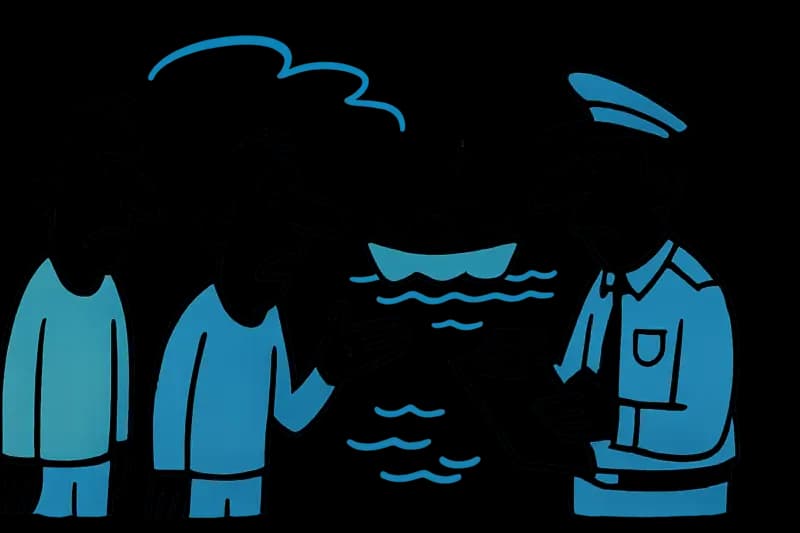
Balearic Islands as a New Route: A Reality Check on Rising Boat Migration
For the first time the Balearic Islands are ahead of the Canary Islands in boat arrivals. What do the numbers really say...
More to explore
Discover more interesting content

Can Cap de Bou

Townhouse Lleo 72
