
Mallorcan performer dies during show in Bautzen – Who protects travelling artists?
A 27-year-old performer from a small port town on Mallorca fell to her death during a performance in Bautzen. The incident raises questions about safety, cross-border inspections and support for travelling circus artists — and what the island can do now.
Mourning under the spotlights — and many unanswered questions
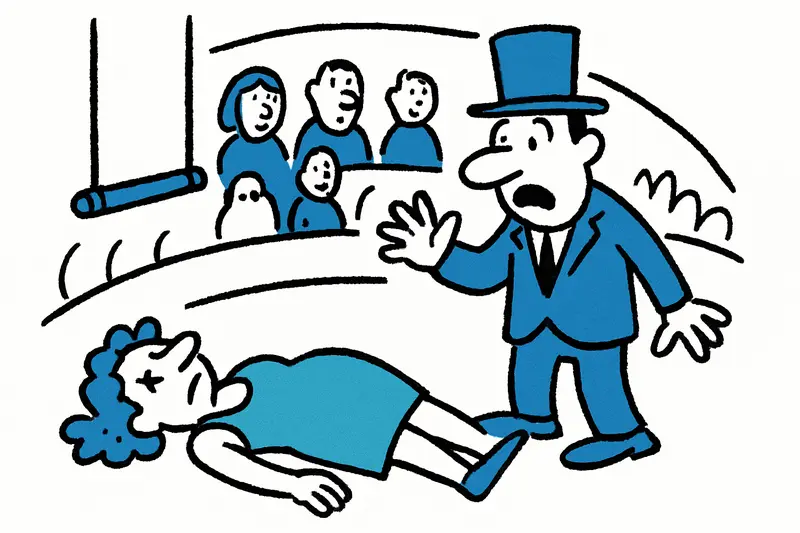
A bright spotlight, the crackle of popcorn, children’s laughter, a breath — and then a fall from several metres. The 27-year-old performer, who came from a small port town in western Mallorca, succumbed to her severe injuries in the arena in Bautzen, as reported in Mallorca's Share of Grief: Circus Artist Dies During Performance in Germany. For her family, a period of mourning and many questions now begins; for the island community, this is a painful wake-up call.
What we know — and what remains open
The Saxony authorities are calling it a workplace accident. Emergency services tried everything on site, but the young woman's life could not be saved. Whether technical failure, inadequate inspection routines, incorrect safety measures or a tragic mistake by individuals was involved is still unclear. Investigations are ongoing — but answers will take time and patience, especially when relatives are scattered across the island and must communicate with German authorities, as described in Death of Acrobat Martina Barceló: Family Farewell in Bautzen and Unanswered Questions.
The key question
How well are travelling performers, especially those residing on Mallorca, legally, technically and psychosocially protected? This question concerns not only the tragic individual case in Saxony but the whole network of touring, improvisation and cross-border work that many artists live, as highlighted in Fall in the Ring: Why the Safety of Female Performers from Mallorca Needs More Attention.
A look at blind spots
On Mallorca people know the “nomads” of the arts scene: they dismantle their equipment on summer nights after shows in beach bars, have one last café con leche on the plaça and rush to the next gig. This mobility is part of the profession — but it also creates room for risks. Different national regulations, changing technical standards and language barriers produce grey areas. What is strictly controlled in a German hall can look very different with a small promoter in a small town.
Equipment, routine and exhaustion
Many accidents do not arise from a single cause but from a chain of events: tired hands after long nights, worn carabiners, missing documentation of the last inspection, unclear responsibilities during setup. Travelling ensembles often save where they should not — on transport, storage, spare parts. And when inspection certificates are not carried or are issued in another language, traceability becomes difficult.
The forgotten consequences: witnesses and bereaved
The people who were in the audience — children, parents, colleagues — carry the image of an abrupt end with them for a long time. Psychological aftercare for eyewitnesses is rarely structured; communities improvise. For the family on Mallorca, additional logistical and legal hurdles arise: repatriation, death certificate, inheritance law in two countries — and often the question of financial support.
Concrete proposals for action
Lessons must and can be learned from a tragedy. Proposals that should now be urgently discussed:
1. EU-wide minimum standards for circus and stage equipment and mutual recognition of inspection certificates. Uniform rules would reduce uncertainty.
2. Mobile inspection teams and regional checks that carry out spot checks on small tours — similar to a mobile “MOT” for stage and suspension systems.
3. Mandatory bilingual documentation (e.g. Spanish/German) of technical inspections and clearly defined responsibilities during setup.
4. Low-threshold support services for artists' families: hotlines in the mother tongue, rapid legal and social advice, and standardized procedures for repatriation.
5. Establishment of local funds and emergency plans in Mallorca — cultural offices, associations and hotels can cooperate so that quick help is possible in an emergency.
What the island can do
On Mallorca there is closeness: in the café on the plaça you hear stories, on the pier show-families greet each other. These networks can now be used: information campaigns, consultation days for travelling ensembles, making contact with insurers and first legal aid. Authorities should examine ways to reach and support touring artists more quickly — also through clear contact persons in municipalities and cultural offices.
Farewell, responsibility, outlook
The loss is painful. Alongside grief, the bereaved need clear answers and practical support. The public needs transparency about how such accidents can be prevented. When the Tramuntana whistles across the island, the waves bring news of change — may this tragedy at least lead to better protection for travelling artists and ensure their families are not left alone.
Our sympathy goes out to the family, friends and colleagues of the deceased. Those affected on Mallorca can find support at their municipal cultural offices and at local advisory centres.
Frequently asked questions
What should travelling performers in Mallorca check before taking a show abroad?
How safe are travelling circus and stage shows in Mallorca and abroad?
What happens if a Mallorca artist dies while working in another country?
Are there support services in Mallorca for families of travelling artists?
Why are travelling performers from Mallorca considered at higher risk?
What safety rules should small promoters in Mallorca follow for live shows?
What kind of support do witnesses of a stage accident need?
What changes could better protect travelling artists from Mallorca?
Similar News
From the Reality Studio to the Pitch: Aleks Petrovic Makes Mallorca His Base
The former participant in numerous TV shows moves from Dubai to the island and launches a project with FC Germania Mallo...
When the Phone Falls Silent: Concern for Sarah Joelle in Mallorca — and What It Reveals
After days without a response, the TV personality's unreachability in Mallorca sparked concern. Shortly afterwards an al...
Ultraluxury on the Ground: Four Seasons Jet in Palma — a Reality Check for Formentor and the Island
A high-priced flight crosses Mallorca and its guests stay for days at the Formentor resort. What does the island get bes...
Death of a Witness and the Justice Backlog: Why the Kegel Brothers Trial Matters in Mallorca
A witness in the Playa de Palma fire case has died, and the trial against eight German holidaymakers has been delayed un...
Champagne Reception, Red Carpet and Mini Originals: The Pre-Nit del Art at Gallery Mensing
Almost 400 guests, champagne, pop-art feats by Tom Boston and a raffle for the Parkinson's foundation: Gallery Mensing t...
More to explore
Discover more interesting content

Can Cap de Bou

Townhouse Lleo 72
