
Fall in the Ring: Why the Safety of Female Performers from Mallorca Needs More Attention
The death of a 27-year-old trapeze artist after a fall during a performance in Bautzen also shakes Mallorca. Time for a critical review: Who is responsible for safety standards for touring performers — and what changes could prevent such tragedies?
A heartbreaking moment that leaves questions
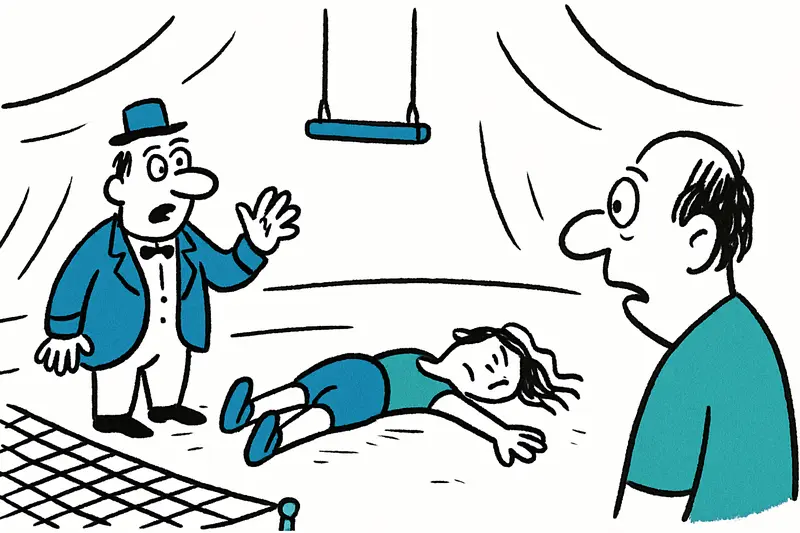
On Saturday evening a circus tent in Bautzen turned from celebration and applause into a place of silent distress: a 27-year-old performer from Mallorca fell from about five metres during a trapeze act and died in the ring. Images of burning candles, shocked children, the dull thud of a body hitting the ground and the subdued murmurs of the audience are currently spreading across the island — from cafés in Santa Catalina to the residential streets near Cala Major — like a heavy, salty wind, as reported in Mallorcan performer dies during show in Bautzen – Who protects travelling artists?.
The central question: Who decides on risk?
This is more than an individual fate. The simple, bitter question arises: who determines how much risk artists must accept — the artist herself, the circus management, the event organisers, or the supervisory authorities? Investigations in Germany are currently examining whether equipment failure, a misstep or a health problem was the cause. It remains unclear why the performer performed without a safety line and who made that decision. In many circus and show circles some form of personal responsibility is customary: performers weigh routine, skill and risk against each other. That works as long as nothing happens. But if someone dies, it quickly becomes a legal and ethical minefield.
On Mallorca, friends, companions and neighbours respond with grief and questions. In the neighbourhood where the performer is said to have last lived, people laid down flowers and candles. Social media profiles show photos of breaks by the sea, of flights between stages. These images reflect the reality of life for many young women from Mallorca: flexible, international, often without a stable social safety net locally.
Regulations, practice and blind spots
There are several levels that have so far been insufficiently considered: technical inspections of equipment, international differences in insurance and liability, the pressure to present spectacular numbers without safety measures, and the psychological strain on performers who constantly have to prove themselves. Often a neutral, independent safety check is missing before each tour stop. In addition, many small organisers are not sufficiently informed about the legal requirements in other countries — an invitation from a town festival in Germany can mean different safety and liability requirements than a show in Spain.
Older, remaining colleagues speak quietly about routine: “Sometimes it’s the tradition of the scene — no safety line, that has elegance. But elegance must not be a cause of death.” This view points to a tension between artistic freedom and occupational safety.
What should be done now
The tragedy should not remain without consequences. Concrete measures could help prevent similar accidents:
1. Independent safety officers: A requirement that shows involving aerial acrobatics have a certified, independent safety inspector who approves equipment and procedures.
2. Uniform checklists and inspection intervals: Standardised inspection protocols for rigs, ropes, carabiners and trapezes that are recognised across all involved countries.
3. Clearer information obligations for engagements abroad: Organisers should be required to provide information about local safety standards, emergency plans and available medical care.
4. Insurance and support for touring performers: Better cross-border insurance options and a binding system to support survivors financially and psychologically.
5. Island network for travelling female performers: On Mallorca a counselling network could be established — a contact point for legal questions, training opportunities and psychological first aid for performers who often travel without a fixed local social network.
Between grief and demand
The loss hits a small, closely knit circus community hard. Colleagues describe the deceased as conscientious: someone who trained carefully and often spoke of the island — of mountains, the sea and the short hours when she recharged in Mallorca. This human closeness makes the debate especially urgent: it is not just about technique, but about people who are too often left alone when something goes wrong.
Investigations in Bautzen are ongoing, the identity has been partially anonymised in reports, and relatives have been informed, according to Mallorca's Share of Grief: Circus Artist Dies During Performance in Germany. On Mallorca questions remain — and the quiet hope that concrete improvements for the safety of female performers will grow out of the grief. The ring must not be a place where art is paid for with life.
Frequently asked questions
What happened to the Mallorca circus performer in Bautzen?
Why are people in Mallorca talking about circus performer safety now?
Are circus performers in Mallorca required to use safety lines?
What safety checks should happen before an aerial circus show?
How do travelling performers from Mallorca protect themselves when they work abroad?
What support is available for performers on Mallorca after a serious accident?
What happened in Santa Catalina after the performer’s death?
Why is the Mallorca circus community calling for stronger regulation?
Similar News
From the Reality Studio to the Pitch: Aleks Petrovic Makes Mallorca His Base
The former participant in numerous TV shows moves from Dubai to the island and launches a project with FC Germania Mallo...
When the Phone Falls Silent: Concern for Sarah Joelle in Mallorca — and What It Reveals
After days without a response, the TV personality's unreachability in Mallorca sparked concern. Shortly afterwards an al...
Ultraluxury on the Ground: Four Seasons Jet in Palma — a Reality Check for Formentor and the Island
A high-priced flight crosses Mallorca and its guests stay for days at the Formentor resort. What does the island get bes...
Death of a Witness and the Justice Backlog: Why the Kegel Brothers Trial Matters in Mallorca
A witness in the Playa de Palma fire case has died, and the trial against eight German holidaymakers has been delayed un...
Champagne Reception, Red Carpet and Mini Originals: The Pre-Nit del Art at Gallery Mensing
Almost 400 guests, champagne, pop-art feats by Tom Boston and a raffle for the Parkinson's foundation: Gallery Mensing t...
More to explore
Discover more interesting content

Can Cap de Bou

Townhouse Lleo 72
