
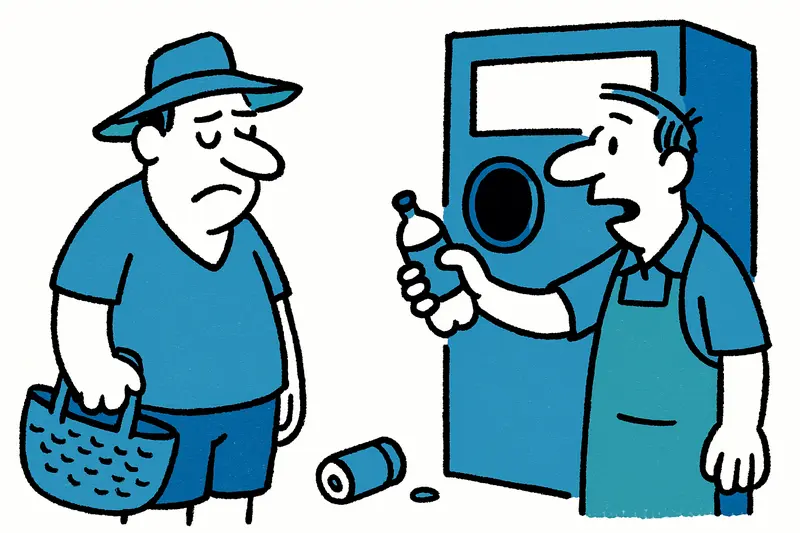
Deposit obligation is coming: What the return system means for Mallorca
Deposit obligation is coming: What the return system means for Mallorca
From November 2026 Spain will introduce a deposit system for single-use plastic, cans and certain cartons. A reality check for Mallorca: what's missing in the discussion, who pays, who collects — and how does it work in everyday life between Mercat d’Olivar and Playa de Palma?
Deposit obligation is coming: What the return system means for Mallorca
Key question: Can Spain's new deposit system really shrink the mountains of waste on Mallorca — without overburdening stores or upsetting tourists?
From November 2026, single-use plastic bottles, beverage cans and certain beverage cartons in Mallorca are to be returned via a deposit. The main points are known: Law 7/2022 and Royal Decree 1055/2022 set the course, the European Commission accompanied the procedure, and there is a minimum deposit of ten cents per container. The idea is simple: an amount is added at purchase and refunded when the empty container is returned.
Critical analysis
The intention is laudable — higher return rates, less beach litter, more material for recycling. In practice, however, Mallorca faces special challenges: many small village shops inland, narrow old-town alleys in Palma and a tourism industry where drinks are often bought and discarded spontaneously. Reverse-vending machines like in German supermarkets work well at large sites. But what about Sóller, the bus station in Pollença or a kiosk on Playa de Palma? These structural issues intersect with broader local trends reported in Rent-price shock 2026: How Mallorca is heading toward a social crisis.
Another open question is cost allocation. Producers, retailers and end consumers bear the deposit along the distribution chain — but for small retailers the effort and space required for return machines could be existentially threatening if no practical compensation mechanisms are in place. A parallel world threatens: large supermarket chains with modern return stations versus small shops that can only participate to a limited extent or must process returns manually in a cumbersome way. Related local economic pressures are discussed in Payday 2026: Why Many Renters in Mallorca Have Reason to Be Afraid.
What's missing in the public debate
There is a lot of talk about recycling rates, but hardly any about operational implementation on site. Three points are often missing: first, concrete plans for the widespread placement of return points outside large markets; second, clear rules for catering, beach vendors and festivals; third, solutions for cleaning and logistics — who empties the machines, who transports the collection containers to the recycling center?
Everyday scene from Palma
Imagine a Tuesday afternoon: at the Mercat d’Olivar a Madrileña pushes her shopping basket past, a delivery scooter beeps on the Passeig Mallorca, young people come out of a kiosk with energy drinks. They should all now return empty cans and bottles correctly. Tourist languages are mostly English or German, so signage must be multilingual. If return machines on the Ramblas only work sporadically, empty packaging will end up in the yellow bag again — exactly what the law aims to prevent.
Concrete solutions
- Mobile collection: Municipal collection vehicles that visit supermarkets and small shops in the morning could create short-term bridges until fixed machines are installed. - Shared machines: In rural municipalities several small retailers could share one machine; the location rotates on a weekly schedule. - Support fund for retailers: Grants or tax relief for small shops that provide space and staff for returns. - Clear, multilingual labeling: Uniform symbols on all affected packaging will help tourists and residents find their way. - Link with existing systems: Deposit returns should be coordinated with the yellow container (envases) and local collection points so material flows do not fragment. - Public monitoring: Transparent reports on return rates for each island so adjustments can be made quickly.
Further stumbling blocks
Tourists who stay only a week often do not return packaging. Incentives help here: return machines at airports and ferry terminals, bonus campaigns for hotel cooperation or return points at popular beaches. Hygiene is an issue: dirty, contaminated containers are rejected — education and simple cleaning tips should be part of the campaign.
For bars and restaurants it is important whether single-use packaging will in future be considered gastronomy material or treated separately. Also unclear are details about including beverages like canned beer at street festivals — local organizers need quick, practicable guidelines.
Pithy conclusion
The deposit system can work on Mallorca — but only if the island now receives pragmatic infrastructure plans, help for small retailers and clear tourist measures. Otherwise the law will remain a good intention with systemic gaps: the technology and rules are there, but the implementation details urgently need to be adapted to the everyday realities of Palma, Inca and Cala Millor. For additional context on island trends that affect implementation, see Why so much property buying in Mallorca is paid in cash — and what that means for the island. Otherwise we will keep collecting instead of really recycling.
Frequently asked questions
What is the new deposit system for drinks in Mallorca?
When will the deposit return system start in Mallorca?
How much deposit will I pay for bottles and cans in Mallorca?
Where will you be able to return bottles and cans in Mallorca?
Will tourists in Mallorca need to return drink containers too?
What does the deposit system mean for small shops in Mallorca?
Will dirty or empty drink containers still be accepted in Mallorca?
Will the deposit system replace Mallorca’s yellow recycling bin?
Similar News

More water than last year: Mallorca's reservoirs breathe easier
September rain refilled the Tramuntana's reserves: overall fill around 35 percent, Cúber at 40.42 percent, Gorg Blau at ...

Three Luxury Hotels in Banyalbufar: Lots of Money, Many Questions
A Danish investor plans three exclusive accommodations in Banyalbufar — including the historic Son Valentí. The announce...
2.1 tonnes of cocaine on sailing yacht off Spain's coast – a reality check for the coastguard
A 14-metre yacht was seized with 2.1 tonnes of cocaine. Who monitors the ports, how does the international hunt succeed ...

Heat Bonus in Mallorca: 100 Euros Extra for Outdoor Staff at MarSenses
MarSenses pays employees who worked outdoors in August an extra €100 as recognition. Lighter uniforms, reduced hours for...
Renovating in Mallorca: What You Really Can Do Without Neighbour Consent
Many think they can do whatever they want in their apartment. That's partly true — but only as long as structural elemen...
More to explore
Discover more interesting content

Can Cap de Bou

Townhouse Lleo 72
