
900 Hikers in Artà: Who Pays for the Damage to Our Town?
900 Hikers in Artà: Who Pays for the Damage to Our Town?
A guided outing with around 900 participants in Artà triggered an administrative sanction: no permit, markings on streets, about 25 stickers, seven posters. A reality check for organizers and the municipality.
900 Hikers in Artà: Who Pays for the Damage to Our Town?
Key question: How could a commercial tour with about 900 participants run through a small municipality without authorization — and what is missing to prevent this from happening again?
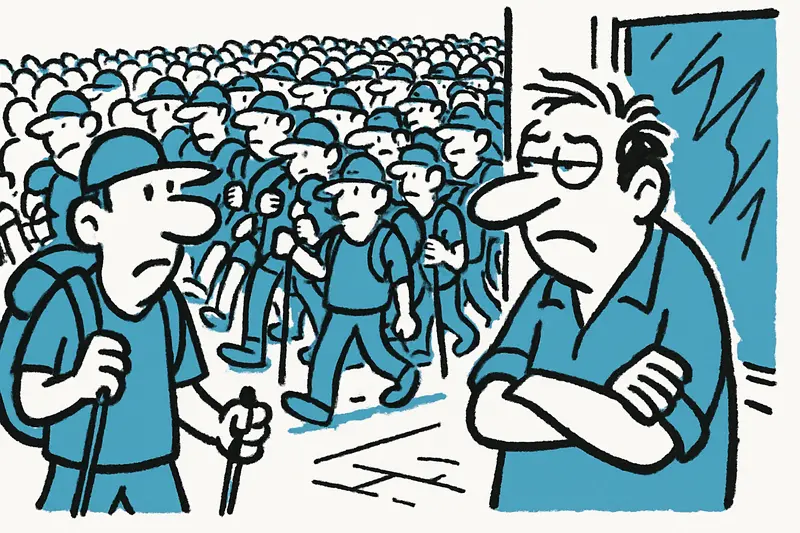
On a bright morning, when the wind from the sea brushes the citrus trees at the Plaça del Mercat and the smell of coffee from the cafés fills the alleys, a crowd suddenly moved through Artà so large that residents and shopkeepers paused in surprise. About 900 people were taken on an excursion by an organizer, which later prompted administrative proceedings by the municipal government. The allegations are clear: the action had no official permit, the route had been advertised, and the hired guides marked the way with spray graffiti, stuck approximately 25 stickers to public objects, and attached seven posters to traffic signs.
In short: far too many people, too little coordination, visible traces left in the town. The administration identified the company after a report by a citizen who had observed people working with paint on a public street. The company now faces fines and the obligation to cover cleaning costs; otherwise the municipality will carry out the work and pass the bill on, as has been an issue in other local maintenance debates like Artà in the Home Stretch: Asphalt Scent, New Pipes — and the Question Who Will Pay the Follow-up Bill.
Critical analysis
The problem consists of several levels that coincide. First: there is a business model that relies on mass. Large-group tours are economically attractive — less effort, more revenue — but they collide with limited infrastructure and the protection of the townscape. Second: legal oversight appears to have acted too late in this case. An event of this size should have been noticed and reviewed earlier. Third: outdoor marketing such as markings with paint and stickers shows a lack of sensitivity toward public space. Such actions not only leave visual damage but also incur cleaning costs and administrative effort.
What is missing in the public discourse
The discussion usually focuses on the individual misconduct of a provider, while bigger questions are missing: Who monitors organizers systematically? Are there clear, easily accessible reporting channels for municipalities to stop overflowing activities early? How are repeat offenders identified and sanctioned without lengthy court proceedings? And not least: how can a lasting balance between the tourism economy and everyday life for locals be achieved, and who ultimately takes responsibility in urgent local incidents as explored in After a Roof Collapse in Artà: Termite Alarm on Carrer de les Roques — Who Takes Responsibility Now?
A daily scene from Artà
Imagine the Carrer Major at nine in the morning: a goat trough clatters somewhere, an elderly woman sets her shopping basket on the curb, and suddenly a column surges through the lane — walking poles click, backpacks and colorful jackets, voices in several languages. A shopkeeper puts down his newspaper, looks up and quickly calculates whether his street can handle the extra customers — or whether the garbage truck will have to come twice that afternoon because bins are overflowing. These encounters shape the relationship between visitors and residents.
Concrete solutions
1. Mandatory prior registration with threshold: Events above a set number of participants should automatically be subject to a short approval check. This can be done online with required information about the route, participant numbers and responsible persons.
2. Faster information channels for municipalities: A digital reporting portal that informs municipalities about registered large groups would prevent surprises. Hotlines for citizen reports should also be more widely publicized.
3. Sanctions plus prevention: Fines are necessary, but prevention is more effective. A combined measure of monetary penalties, bans on future events and mandatory training for guides on consideration in urban spaces would reduce repeat offenses.
4. Transparent cleaning clause: Organizers must provide a bond or deposit when obtaining a permit to cover cleaning costs in the event of damage. This way the municipality is not left with the bill and the incentive for clean behavior increases.
5. Local coordination: Municipalities like Artà should stay in contact with neighboring towns and the island administration. Many tours cross borders — coordination prevents conflicts along the route, as seen in discussions about cross-municipal projects such as Expropriation of Alaró Castle: Who Benefits from the Project, and Who Pays the Bill?.
Conclusion
The incident in Artà is not an isolated case but a symptom: when economic interests meet compact local structures, clear rules, transparent procedures and a measure of respect are needed. The municipal administration acted appropriately by opening proceedings and demanding cleaning costs. But the real work starts now: better prevention, simple reporting channels and real consequences. Otherwise, at the next big outing someone will again sit at the Plaça calculating how many extra coffees must be sold to cover the damage — while others feel their town has become a stage on which they no longer have a voice.
Frequently asked questions
Why did Artà open proceedings after a hiking group passed through town?
Can a large guided tour in Mallorca happen without a permit?
Who pays for cleaning if an organized tour damages public property in Mallorca?
How can Mallorca towns stop oversized tour groups from causing problems?
What kind of damage can a mass walking tour leave in a small Mallorca town?
Is Artà too small for very large tourist groups?
What should visitors in Mallorca know before joining a commercial hiking tour?
Why are residents in Artà concerned about mass tourism on their streets?
Similar News
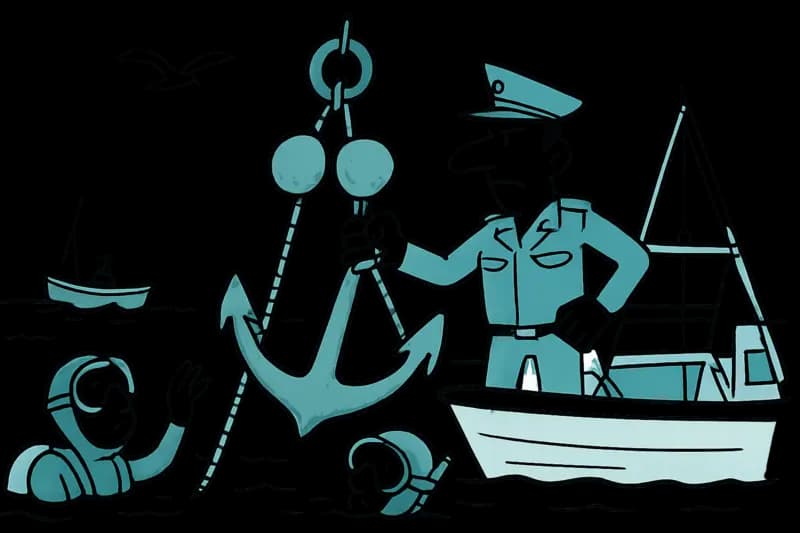
Ancient Piece Brought to Light: Guardia Civil Recovers Roman Anchor Fragment off North Coast of Mallorca
Divers from the Guardia Civil recovered a massive iron piece from Roman times off Mallorca's north coast. The roughly 35...

Who Benefits from the Half‑Hourly Flight on the Edge? Aena, Investments and the Island's Interests
Almost one billion euros is flowing into Son Sant Joan. The figures show the scale of investment and expected beneficiar...

Are the Balearic Islands the Southern Border of Europe? A Reality Check on Immigration
The Balearic Islands are again calling for EU aid after a sharp rise in arrivals by sea. Conflicting priorities between ...

"Expensive chaos" and many open questions: What clients can do when a lawyer suddenly stops responding
Several clients complain that a well-known German lawyer in Mallorca has been unreachable for months. Key question: What...

TV tip: 'The Last Problem' — Mallorca as the setting of a classic crime
A classic whodunit on Mallorca: A new miniseries set in spring 1959 brings storm, an isolated hotel and a dense web of s...
More to explore
Discover more interesting content

Can Cap de Bou

Townhouse Lleo 72
