
Alcohol at the Wheel, Classic Car Unprotected: Accident in the Tramuntana and the Unanswered Questions
Alcohol at the Wheel, Classic Car Unprotected: Accident in the Tramuntana and the Unanswered Questions
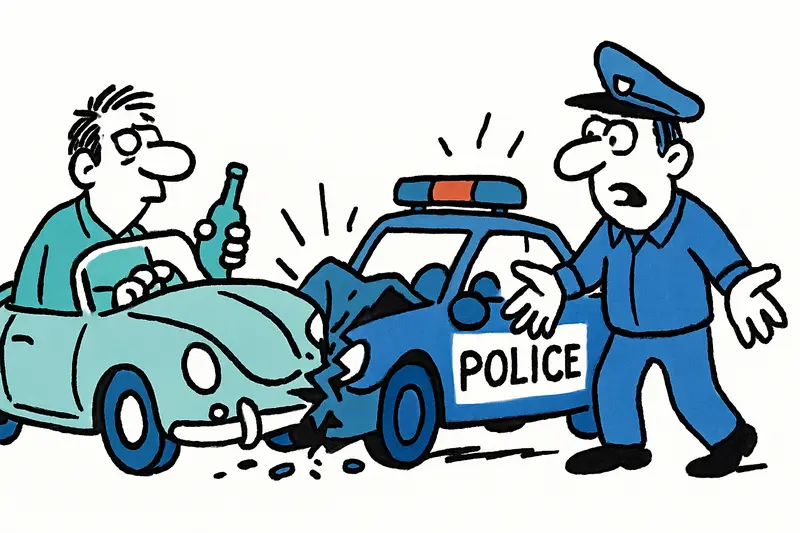
Evening accident between Valldemossa and Palma: A Porsche 356 B with three Swedes on board crashed into a Guardia Civil patrol. Driver unconscious, all injured. What was missing, what could we have prevented?
Alcohol at the Wheel, Classic Car Unprotected: Accident in the Tramuntana and the Unanswered Questions
Curves, overtaking maneuvers and an uninsured Porsche 356 B – three young men seriously injured
On Sunday evening around 8 p.m., the quiet road between Valldemossa and Palma erupted into turmoil: A Porsche 356 B collided after a maneuver with a Guardia Civil patrol vehicle, then into a concrete pillar and came to rest across the carriageway. Three Swedish men aged 25 to 27 were injured, some critically; eyewitnesses report excessive speed, cutting corners and ignored no-overtaking zones. The driver was apparently intoxicated, and according to on-site reports the classic car was driving without valid insurance. Similar incidents include a nighttime accident in Sóller involving alcohol and no driver's license.
Key question
How can an island with narrow mountain roads prevent speeding, alcohol-related driving errors and technically unsafe vehicles from causing further injuries or deaths?
Critical analysis
The case combines several risk factors: a severely outdated vehicle without modern passive safety systems, alcohol at the wheel and the typical pace some drivers show on the Tramuntana road. That a classic car lacking airbags and possibly seat belts crashes into a police car highlights how vulnerable occupants are – especially on a route with tight switchbacks and steep drops. The road closure and long delays for buses and commuters also show how quickly a single accident can cripple local traffic.
What is often missing from public discourse
We talk a lot about alcohol checks and speed limits, but less often about the mix of tourism, rare classic cars and missing insurance. The question of how well historical cars are technically checked for roadworthiness (seat belts, brakes, lighting) also receives too little attention. Nor is there enough discussion about the role temporary traffic restrictions or visible measures at particularly dangerous sections could play. The debate often overlooks events like the fatal crash on the Ma-3460 in Alcúdia, which raised questions about responsibility, and reporting has highlighted incidents such as a driver who travelled 14 kilometres without two tyres in suspected alcohol-related driving, underlining the varied forms of risk.
An everyday scene from the Tramuntana
The next morning: A bus driver in Deià shakes his head, cyclists speak quietly, at the bar in Valldemossa you hear the clink of coffee cups. The switchbacks still bear the traces of the night: a few shards, the smell of burnt rubber, police sirens in the memory. For locals such images are not new, yet they remain shocking – especially when young people are affected.
Concrete solutions
1. Visible controls and prevention: Regular alcohol and speed checks at known danger spots, combined with information signs for foreign drivers that point out local rules.
2. Classic car checks: Introduction of mandatory technical inspections for historic vehicles before they are allowed on public roads, including compulsory insurance and proof of minimum modern safety standards (e.g., seat belts).
3. Infrastructure measures: Preventive adjustments to very dangerous curves: reflective markings, additional guardrails, possibly rumble strips and clearer no-overtaking zones.
4. Sanctions and follow-up: Stricter penalties for driving without insurance and for drunk driving as well as faster administrative bans for repeat offenders.
5. Community approach: Local information campaigns in multiple languages, partnerships with rental companies and clubs, so tourists and seasonal visitors realize that the Tramuntana is not a racetrack.
Conclusion
The collision near Valldemossa is not a random event but the result of several problem areas: behavior, vehicle and infrastructure. Treating only one component overlooks the others. The island does not need moralizing headlines but pragmatic measures that show in everyday life – visible controls, minimum technical standards for classic cars and smart traffic management on the switchbacks. Otherwise we will be sitting at the roadside again in a few months, hearing the same sirens and asking why nothing was learned.
Frequently asked questions
What makes driving in the Tramuntana on Mallorca so risky?
How dangerous is drinking and driving in Mallorca?
Can you drive a classic car in Mallorca without modern safety features?
What should I know before driving in the Tramuntana in Mallorca?
Are there alcohol checks on Mallorca’s mountain roads?
What happens if a car in Mallorca has no valid insurance?
Was the road between Valldemossa and Palma closed after the accident?
How can Mallorca reduce serious accidents on the Tramuntana roads?
Similar News
Ancient Piece Brought to Light: Guardia Civil Recovers Roman Anchor Fragment off North Coast of Mallorca
Divers from the Guardia Civil recovered a massive iron piece from Roman times off Mallorca's north coast. The roughly 35...

Who Benefits from the Half‑Hourly Flight on the Edge? Aena, Investments and the Island's Interests
Almost one billion euros is flowing into Son Sant Joan. The figures show the scale of investment and expected beneficiar...
Are the Balearic Islands the Southern Border of Europe? A Reality Check on Immigration
The Balearic Islands are again calling for EU aid after a sharp rise in arrivals by sea. Conflicting priorities between ...

"Expensive chaos" and many open questions: What clients can do when a lawyer suddenly stops responding
Several clients complain that a well-known German lawyer in Mallorca has been unreachable for months. Key question: What...
TV tip: 'The Last Problem' — Mallorca as the setting of a classic crime
A classic whodunit on Mallorca: A new miniseries set in spring 1959 brings storm, an isolated hotel and a dense web of s...
More to explore
Discover more interesting content

Can Cap de Bou

Townhouse Lleo 72
