
When the Island Calms Down: Discovering Mallorca in Winter
When the Island Calms Down: Discovering Mallorca in Winter
When beaches are emptier, bars quieter and mountains clearer – winter in Mallorca has its own rhythm. A look at people, work and opportunities beyond the summer season.
When the island calms down: Discovering Mallorca in winter
Quieter, clearer, different — and yet lively
In January, Palma is not the hectic summer postcard. A cool, salty wind blows along the Passeig Marítim, and seagulls cry less often because fewer boats are out. In El Arenal, hotels and many beach venues are closed; for context see why around 20 percent of hotels stay open through winter. Still, the island has not fallen silent — it has only changed its pace.
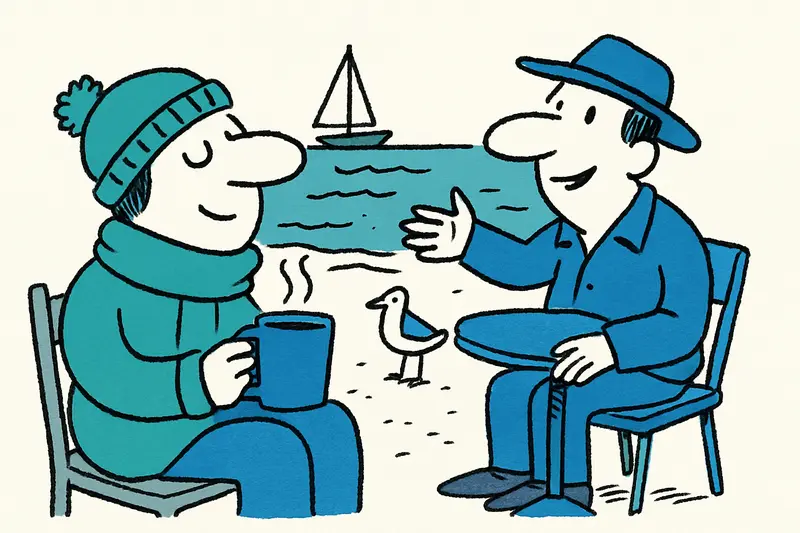
In a small bar on the beach, mulled wine is poured instead of sangria. Inside sit neighbours, craftsmen and a few winter guests who talk about the weather. Conversations last longer, the plates are heartier: stews, local oils, oranges and sometimes a simple casserole made from ingredients ripening on the fincas. Scenes like these show how Mallorca in winter focuses more on everyday culture than on show.
The tranquillity is a gift for hikers and cyclists. The Serra de Tramuntana lies clear before you; the air feels fresh and the view to the coast is unobstructed without the summer haze. Guided winter tours, small accommodations in mountain villages and rural estates offer exactly what many are looking for: space, nature and a tempo that invites conversation.
For others, daily life continues: fruit orchards are harvested, olive farmers check the presses, orange pickers climb ladders, and local craftsmen have their hands full. Autumn and winter tasks in agriculture and construction keep machines running and wages flowing — an economy that does not depend on beach umbrellas (see also why autumn is the most beautiful season for an island trip).
Another distinct image of winter are the supermarkets in residential areas with many wintering guests. Shelves with familiar brands from Germany fill shopping carts, home-style cooking is prepared, and on Sundays there is sometimes food that reminds people of home. These small routines make the island feel homely in January for some.
Those who approach Mallorca in winter immediately find themselves in this mix of silence and activity. In the morning, a fisherman at Playa de Palma casts his nets; a few hours later a bakery on the Carrer de Sant Miquel offers fresh bread. In small markets, farmers sell oranges and honey, and conversations about harvest yields are part of the shopping experience.
This is also an opportunity for the island: winter guests bring demand in the off-season, supporting crafts and gastronomy that would otherwise work only in summer. Sustainable tourism can be practiced this way: shorter stays, respect for opening hours, targeted use of local offerings. Those who come outside the high season experience Mallorca more authentically and at the same time contribute to the local economy.
Practical tips for a winter visit: check whether accommodations are heated, call ahead to confirm opening hours, and consult the Winter Flight Schedule 2025. A few euros in the village café or at the farmer’s go directly back into the community.
It is not an island of empty streets without people, but an island that works and lives differently. Calmer, clearer, more tangible — and for those who stay or come, an invitation to discover Mallorca beyond the postcard image.
Outlook: Anyone who has once taken a winter walk from Sóller up into the mountains understands the appeal immediately: the crunch of the ground, the clear view to the sea and the feeling of experiencing a piece of genuine island routine. That can be contagious — in the best way: through lingering instead of rushing by.
Frequently asked questions
What is Mallorca like in winter?
Can you still walk and hike in Mallorca during winter?
What should I pack for Mallorca in winter?
Are beaches and beach venues open in Mallorca in winter?
Is Palma worth visiting in Mallorca during winter?
What is Sóller like to visit in winter?
Do restaurants and cafés stay open in Mallorca in winter?
Why do people visit Mallorca in winter instead of summer?
Similar News

When the Wallet Becomes a Danger: Attack in Peguera and Lessons for Mallorca
In Peguera, two women are said to have stolen the wallet from a 75-year-old German couple. When the victim intervened, t...
Plata stays Plata: Young people take over, Llonguets remain
A small bar on Carrer de l'Argenteria will continue: Tolo Serra hands the place over to young Mallorcans at the end of t...
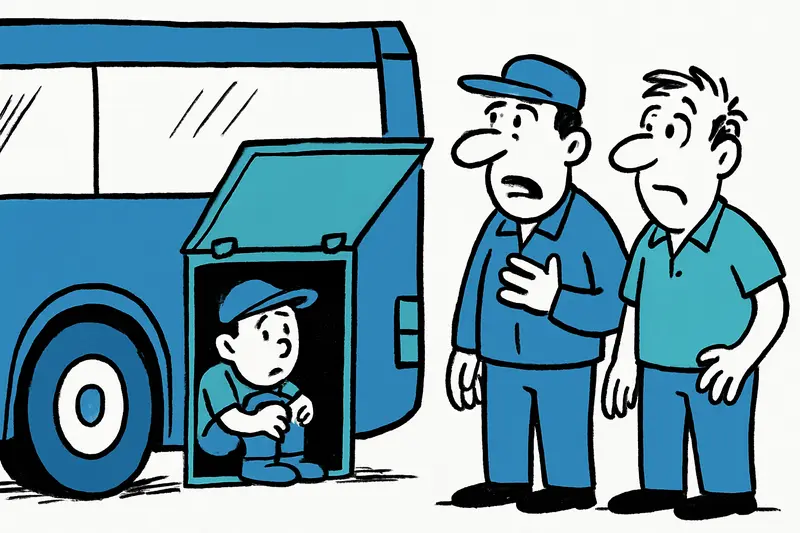
Unnoticed in the Luggage Compartment: How a Boy Traveled More Than 100 Kilometers in a Team Bus
A minor traveled in the undercarriage of a team bus for more than 100 kilometers until his cries for help were heard. A ...

Cap Vermell Grand: Second Michelin Key – a Gift for the East
The Cap Vermell Grand in Capdepera has been awarded its second Michelin key. For the region this elevates the luxury off...
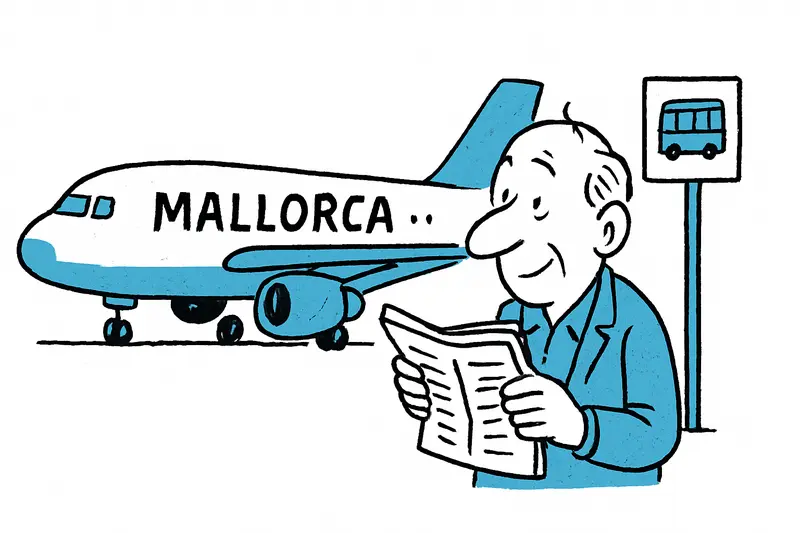
Eurowings lets four aircraft carry names – a friendly idea that also reaches Mallorca
Eurowings is launching a campaign: four Airbus A320s are to carry the first names of people who help others in everyday ...
More to explore
Discover more interesting content

Can Cap de Bou

Townhouse Lleo 72
