
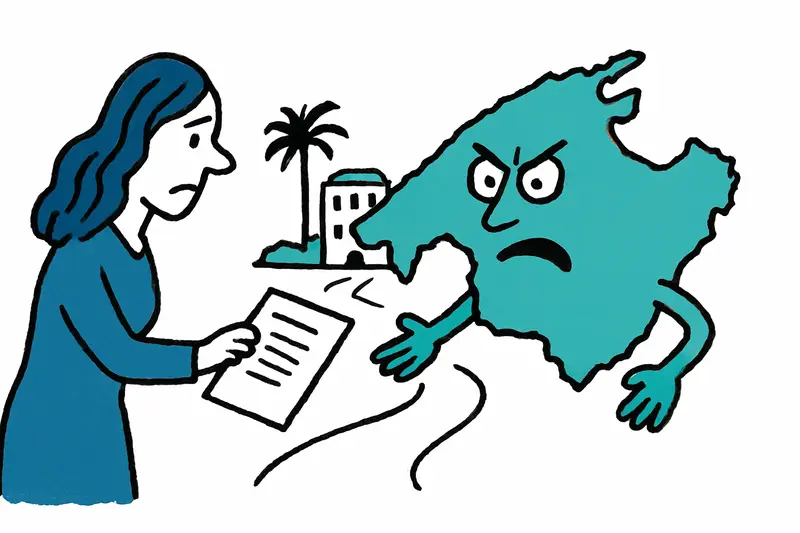
Divorce in Mallorca: Ana Ivanović Files the Papers – How the Island Reacts
Divorce in Mallorca: Ana Ivanović Files the Papers – How the Island Reacts
Ana Ivanović has apparently filed for divorce. Between celebrity attention, school routes in Palma and a luxury property on the island, the question arises: How much publicity can a private family life tolerate?
Divorce in Mallorca: Ana Ivanović Files the Papers – How the Island Reacts
Key question: How much publicity is appropriate for a private end of marriage when children and life in Mallorca are affected?
Since the separation of the former athlete couple became public last summer, the discussion about them has not died down; this echoes other high-profile splits on the island like Separation on the Island: Collien and Christian — When Everyday Life on Mallorca Must Be Reorganized.
The facts are clear-cut: Ivanović and Bastian Schweinsteiger own a property in an upscale neighborhood of Mallorca, a subject familiar from coverage of celebrity relocations such as Celebrity Move to Mallorca: Peace or New Controversy at the Golf Course?, and are raising three sons. Ivanović spends the majority of the year on the island, occasionally sharing impressions of Cala Deià and cafés in Palma, and appears in everyday local scenes. After the separation the couple lost a long-term advertising partnership with a German fashion brand.
Critical analysis: It is striking how little the public discussion addresses the actual consequences for those affected. Instead of sober information, speculation about private details dominates — rumors about third-party relationships have recently been part of this. Such narratives mainly harm the children and the neighborhood, where cameras suddenly appear or passersby are confronted with questions.
What is missing from the public discourse: First, concrete information on how schools and local institutions handle the presence of celebrities without sacrificing privacy. Second, a debate about media self-commitments in cases involving minors. Third, the perspective of island residents who have to live with increased media attention.
A typical scene: On Sundays at Passeig Mallorca a woman sits with a thermos of coffee, three children bring their scooters—no skis, but wheels—toward Parc de la Mar; a teacher walks a group of children to school in Santa Catalina. Amid familiar sounds—dogs barking, delivery vans, the sea breeze—sudden paparazzi appearances or loud speculation feel out of place. This is the everyday life into which private matters are dragged.
Concrete approaches: 1) Local media and freelance journalists should reaffirm internal guidelines: no naming of school locations, no publication of children’s photos, only verified information. 2) Schools and daycare centers could establish clear communication channels to protect staff and parents. 3) Municipalities should consider anonymous counseling services for families affected by media attention — psychological first aid is often the most urgent need. 4) Brands and agencies can include confidentiality clauses in contracts to create clear rules for handling life crises. 5) For the neighborhood: community associations can centralize sensitive contacts so that information flows do not run through private channels and rumors.
A note on responsibility: Celebrities decide how to communicate, and editorial teams decide what they publish. But when conflicts become tangible in a school or on a residential street, it also affects people who did not choose to be in the spotlight. The island is both a backdrop and a home — that must not be forgotten.
Conclusion: The report about the divorce filing is a legitimate news topic. What matters, however, is that reporting and everyday protection go hand in hand. Mallorca remains a living space for many people, not just a stage for stories about celebrities. A bit more restraint would benefit everyone.
Frequently asked questions
Why does a celebrity divorce in Mallorca attract so much attention?
How should the media report on a divorce in Mallorca when children are involved?
What happens to everyday life in Mallorca when paparazzi start following a family?
Do schools in Mallorca have ways to protect privacy when a public family is involved?
What is the public reaction in Mallorca when a high-profile couple separates?
What should families in Mallorca do if media attention becomes too much?
Why is Cala Deià often mentioned in stories about celebrity life in Mallorca?
Why is Santa Catalina in Palma mentioned when discussing privacy issues in Mallorca?
Similar News

When coercive fines aren't enough: Could holiday rental owners soon face prosecution?
The island administration is stepping up action against unauthorized holiday rentals: high daily coercive fines up to €5...

Palma Airport on an Expansion Course — Who Decides How Much Growth the Island Needs?
Aena and Madrid are planning multi-million euro investments for Son Sant Joan and project higher capacities. Concern is ...
Who Gets Left Out? Why Overbookings Will Hit Many Mallorca Travelers This Summer
On hot check-in days at Son Sant Joan, frustrated travelers pile up. New figures from Reclamador.es show that a large sh...
When the Handyman Came: How an Engagement Ring Disappeared in Mallorca and What It Says About Trust
During a repair in Andratx a highly personal engagement ring went missing — a case that calls not only for punishment bu...
How Burglars Test Fincas in Mallorca — and What You Can Do About It
The Spanish National Police warn of a simple but effective trick: small markings on doors reveal whether a finca is occu...
More to explore
Discover more interesting content

Can Cap de Bou

Townhouse Lleo 72
