

Doctors' Strikes: Who Will End Up Left Behind in Mallorca?
Doctors' Strikes: Who Will End Up Left Behind in Mallorca?
Doctors' unions announce a series of strikes from February to June. What consequences will this have for scheduled operations, services in health centers — and what is missing from the debate?
Doctors' Strikes: Who Will End Up Left Behind in Mallorca?
Key question: How will hospital management and patients respond to repeated waves of strikes without endangering care for those in acute need?
The announcement: In Spain, doctors are planning to strike one week per month from mid-February to June. The dates for the Balearic Islands are confirmed: Feb 16–20, Mar 16–20, Apr 27–30, May 18–22 and Jun 15–19. A central demonstration in Madrid is scheduled for Feb 14. The dispute centers on a proposed new doctors' statute that would reorganize working conditions and better account for the specific stresses of the medical profession. Further reporting looked at the immediate local impact in Doctors' strike on Mallorca: Who gets left behind?.
On Mallorca the possible consequences are already being discussed, as detailed in Day Two of the Doctors' Strike: Why Healthcare in Mallorca Is Faltering. Hospitals such as Son Espases and emergency clinics in Inca, Manacor or on the Passeig Marítim in Palma are preparing: prioritizing procedures, rescheduling appointments and internal emergency plans. It is said that elective surgeries could be postponed again — emergency care and intensive care should, according to official directives, take precedence. In the cafeteria of a health center near the Plaça de Cort a nurse dryly notes during a chaotic coffee break: "We know how to improvise. But: how long?"
Critical analysis: Announcing cyclical work stoppages is a deliberate tactic. It creates sustained political pressure without escalating to a general strike. For patients this means repeated uncertainty when managing appointments. For clinics it entails additional organizational costs and planning effort. Balancing the legitimate demand for better conditions with responsibility toward patients is currently hard to maintain.
What is often missing from public debate: First, the differences between acutely life-threatening cases and planned procedures are rarely specified. Second, the burden on nursing and administrative staff during strike weeks usually remains invisible. Third, the ripple effects on aftercare, rehabilitation placements and general practitioners are seldom portrayed — postponed surgeries are not just a single appointment, they often change entire treatment pathways.
An everyday scene in Palma: In the morning at the bus station older patients with Ecotasa receipts and surgery explanations board buses to the hospitals. The sun glares; the sounds of boats from the harbour mix with conversations about rescheduled appointments. Moments like these show: these are real people with journeys, carers, and sometimes tourists who will now feel the impact.
Concrete, pragmatic and local solutions:
1) Prioritization and transparency: Hospitals should create catalogs that specify which procedures must take place and which can be postponed. These lists must be public and communicated in a way patients can understand.
2) Expanded telemedicine consultations: Follow-ups and preoperative checks for non-acute surgeries can be held via video consultations. This eases waiting rooms and enables sensible advance planning.
3) Internal coverage models: Temporary service agreements between hospitals and health centers on the islands, coordinated staff pools and targeted incentives for on-call duties during strike weeks.
4) State mediation and arbitration: An independent body should accompany negotiations, set deadlines and present binding proposals on working hours, on-call duties and training.
5) Information campaign: Action plans, hotlines for affected patients, clear guidance on alternative appointment options and cooperation with transport services so that travellers do not get stranded unnecessarily in Palma, a topic explored in Doctors' strike in the Balearics: Why the demonstration in Palma is more than a labour dispute.
What the Balearic government and hospital management should do now: provide more open schedules, honest assessments of capacity during strike weeks and concrete emergency networks between island hospitals. And: communicate early with general practitioners, who are often the first point of contact and must help manage rescheduled appointments.
Sharp conclusion: The demand for a modern doctors' statute is legitimate. It stems from real burdens, compressed shifts and an ageing population. But political demands should not be pursued at the expense of planned healthcare without decisive countermeasures. For Mallorca this means: clear priorities, better communication and a functioning network that considers patients' travel routes — otherwise the strain will not only hit the health system but also those who take the buses to the clinic every morning.
Frequently asked questions
How will the doctors' strikes affect healthcare in Mallorca?
Which strike dates are confirmed for doctors in Mallorca?
Will emergency care still be available during the doctors' strike in Mallorca?
What should patients in Mallorca do if their hospital appointment is cancelled?
Which hospitals and clinics in Mallorca are likely to be affected?
Can telemedicine help patients in Mallorca during the doctors' strike?
Will the doctors' strike in Mallorca affect tourists with medical appointments?
Why are doctors in Mallorca striking repeatedly over several months?
Similar News

Car on MA-13 near Inca in flames – a safety check for the island
A vehicle caught fire on the MA-13 towards Alcúdia on Tuesday afternoon. The driver was uninjured, the car was destroyed...

Real Estate in Mallorca: Fewer Buyers, Higher Prices — What's Behind It?
Sales on Mallorca are falling, yet prices continue to climb. Why fewer transactions do not equal relief — and what shoul...
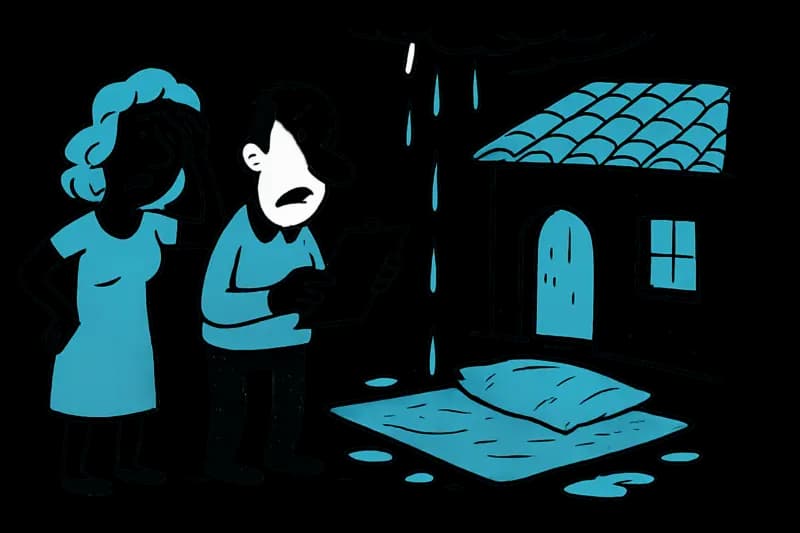
Just Bought — Already Trouble: Water Damage in the Heiters' Villa and What Owners in Mallorca Should Know Now
A newly purchased sea-view property — and within days a water damage. What risks lurk in new properties in Mallorca, and...

Rich, Richer, Mallorca? A critical look at the growing super-rich bubble
Numbers: Around 3,600 millionaires in the Balearic Islands hold a combined €27.6 billion. What this concentration of wea...
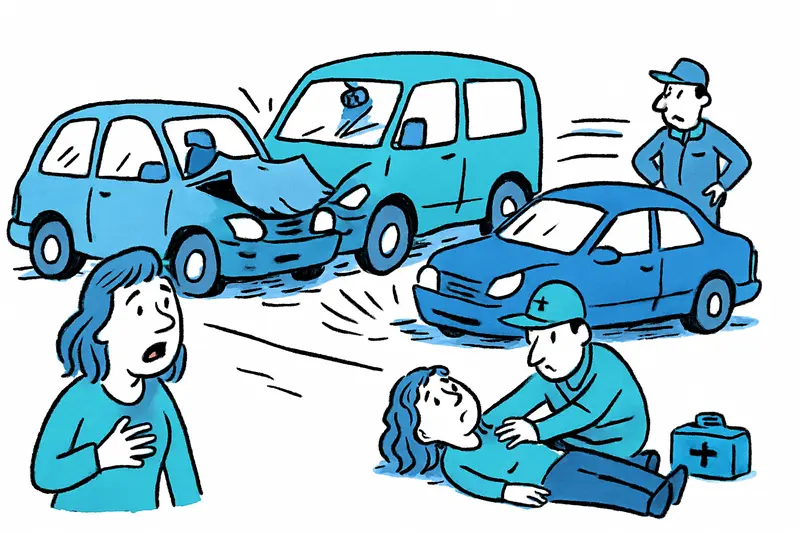
Chain reaction on the MA-1: Eight injured in rear-end collision near Portopí
On Tuesday morning there was a crash at the Andratx exit to the MA-1 towards Palma: a rear-end collision between a car a...
More to explore
Discover more interesting content

Can Cap de Bou

Townhouse Lleo 72
