
Doctors' strike in the Balearics: Why the demonstration in Palma is more than a labour dispute
Doctors' strike in the Balearics: Why the demonstration in Palma is more than a labour dispute
Day three of the four-day strike: Today at 11 a.m. Simebal is calling for a rally in front of the Delegación del Gobierno in Palma. What lies behind the demand for a doctors' statute?
Doctors' strike in the Balearics: Why the demonstration in Palma is more than a labour dispute
Day three of four: Today at 11 a.m. doctors will gather in front of the Delegación del Gobierno in Palma, following the events described in Day Two of the Doctors' Strike: Why Healthcare in Mallorca Is Faltering. The mood is tense, the demand clear: a dedicated doctors' statute, as advocated by the medical association Simebal, documented in When Palma Falls Silent: Doctors Strike for Their Own Professional Statute. According to the union's estimates, about 120 operations were cancelled and more than 4,500 appointments were called off during the two previous strike days. The Balearic Ministry of Health has ordered minimum services; hospitals are therefore operating with the usual holiday staffing.
Key question
What is this really about: better working conditions, legal certainty for physicians — or a structural problem that has affected patients for years?
Critical analysis
The demand for a separate doctors' statute initially sounds like a matter of regulations and professional law. But anyone who has spent time in the emergency departments of Son Espases or Son Llàtzer quickly realises: it is about predictability, orderly on-call schedules, pay for on-call duty and protection from overload. A statute could make duties and rights more binding. At the same time, it is unclear whether a statute alone will solve the bottlenecks: many problems are systemic — unfilled positions, limited investment, and complicated shift plans.
The reported figures (120 cancelled operations, 4,500 appointments) show the strike's immediate effect; these numbers echo broader counts in the coverage Doctors' strike on Mallorca: Who gets left behind?. In the long term, however, the consequences are diffuse: cancelled appointments are sometimes postponed to other weeks, some patients reschedule in everyday life, others seek private alternatives. This creates waiting lists and financial pressure — for people living here who often have tight budgets.
What is missing from the public debate
There is a lack of realism in the debate: focusing only on compensation or assigning blame is insufficient. Hardly anyone talks about long-term workforce planning, training prospects for young doctors on the islands, or care models that would make night and weekend duties more humane. Rarely discussed either: how the island structure affects staffing — thinner personnel in smaller hospitals, more difficult exchange between islands, and commutes that lengthen working hours.
A slice of everyday life in Palma
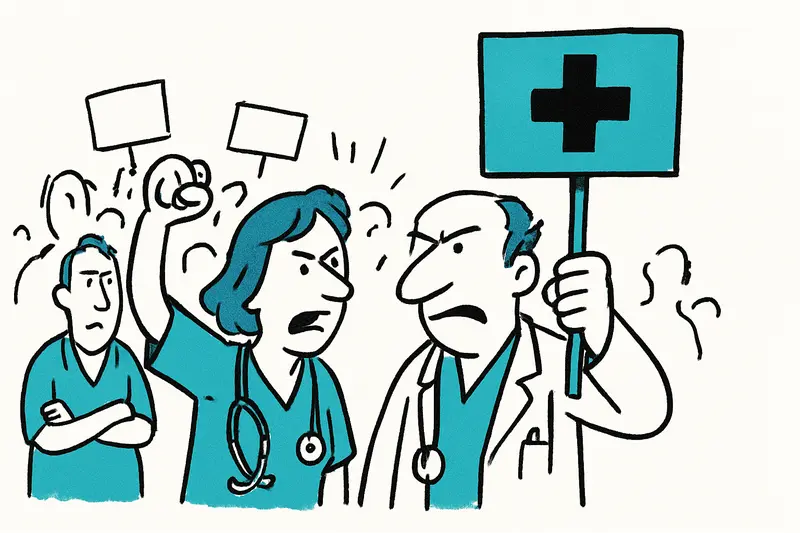
If you walk through the city this morning, you won't hear only protest chants. On the Passeig del Born a woman with a shopping bag sits in front of a café, two pigeons peck at crumbs, and a city bus winds its way through the traffic tootling its horn. People in white coats are gathering in front of the Delegación del Gobierno; some hold signs, others speak quietly on the phone. A woman in a striped coat whispers, "I just hope my surgery appointment isn't cancelled again." This mix of everyday sounds and angry determination is typical for Palma on days like this.
Concrete solutions
Some practical steps that could take effect quickly:
1) Binding staffing plans: Position plans with clear job descriptions and time-bound targets for new hires. This reduces short-term shortages.
2) Make rural hospitals more attractive: Housing allowances, regulated working hours and training budgets could retain or attract physicians.
3) Transparent on-call rules in the statute: If a statute is introduced, it must contain clear rules on working hours, compensatory time and remuneration — not vague formulations.
4) Regional coordination: Exchange programmes between hospitals on the islands, telemedicine for routine issues, and shared training opportunities.
5) Communication with the public: Accessible information channels such as local hotlines or online portals so affected people know what happens to cancelled appointments.
Why this matters for us in Mallorca
A functioning health system is not a luxury, it is everyday security: for families in Llucmajor, for the single father in Manacor, for the pensioner in Santa Catalina. When hundreds of appointments are rescheduled, those with little flexibility are hit hardest. What is being negotiated here therefore affects not only doctors but whole neighbourhoods.
Conclusion: pointed summary
The strike is more than noise in front of a government office; this perspective complements the in-depth piece No Submission: What the four-day doctors' strike in Mallorca really reveals. It reveals cracks in a system that urgently needs planning and rules. A doctors' statute can help — but only if it is part of a broader package: binding staffing plans, better local conditions and real offers for rural hospitals. Otherwise there is a risk that after the applause in front of the Delegación everything will return to the way it was. Today at 11 a.m. Palma will make itself heard; the question is who will listen and act afterwards.
Frequently asked questions
Why are doctors striking in Mallorca right now?
How is the doctors' strike affecting patients in Mallorca?
Are hospitals in Mallorca still open during the doctors' strike?
What should I do if my appointment in Mallorca was cancelled because of the strike?
What is the doctors' demonstration in Palma about?
Why do doctors in Mallorca say the system is under pressure?
What happened at Son Espases and Son Llàtzer during the strike in Mallorca?
Will a new doctors' statute solve Mallorca's healthcare problems?
Similar News
Fear in the Sa Teulera Forest: Youth Groups Harass Cruising Zone in Palma
In the wooded area of Sa Teulera, those affected report verbal attacks, property damage and intimidation. How safe is th...
Axa opens first health center in Palma: €3 million, 650 m² and more local access for La Vileta
In the heart of La Vileta, Axa has opened its first own health center in Mallorca. On around 650 square meters and with ...
30 Years of Nit de l'Art: What Palma's Art Night Really Shows — and Conceals
Nit de l'Art celebrated its thirtieth anniversary: full galleries, young visitors — and the quiet tensions between the a...
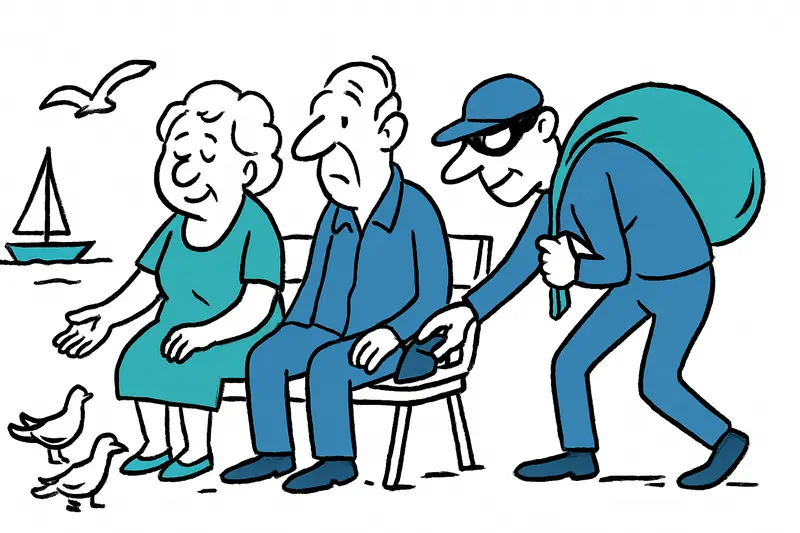
Hunt for Older Holidaymakers: Arrests after Suspected Pickpocketing in Port d'Andratx and Bellver
Five suspects were arrested after investigators accuse them of targeted pickpocketing of elderly tourists in Port d'Andr...
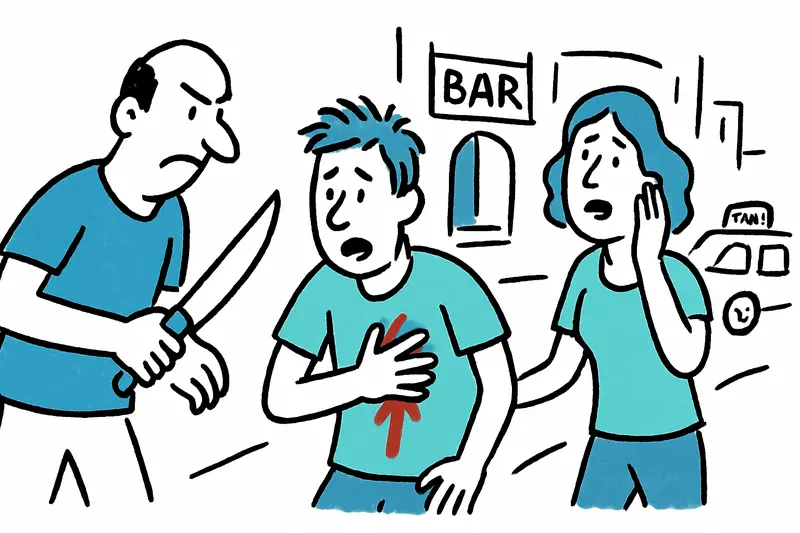
Knife stabbing in Magaluf: Why it must not remain an isolated incident
A 21-year-old tourist was stabbed in the chest in Magaluf and is in life-threatening condition. A reality check: what's ...
More to explore
Discover more interesting content

Can Cap de Bou

Townhouse Lleo 72
