
Dorsal Fin in the Harbor Basin: Two-Meter Shark in Ibiza — a Reality Check for Our Coast
Dorsal Fin in the Harbor Basin: Two-Meter Shark in Ibiza — a Reality Check for Our Coast
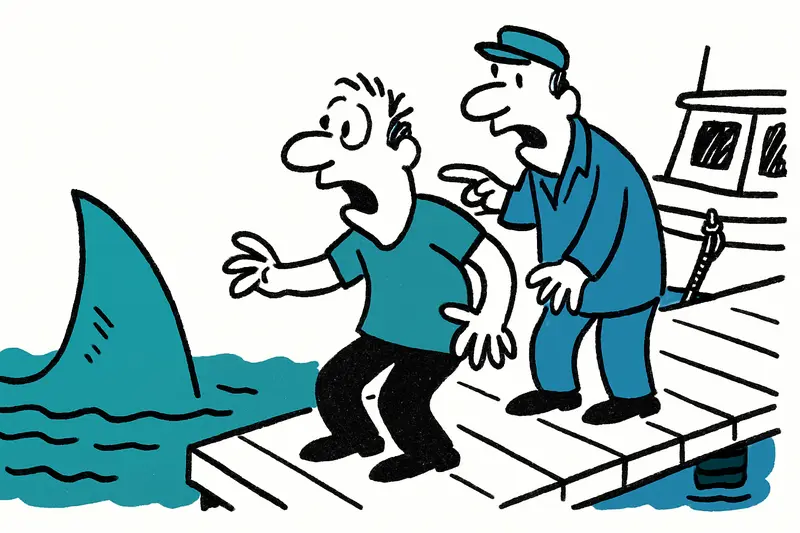
A two-meter-long shark swam this morning in the basin of Es Botafoc in Ibiza Town. The sighting raises questions: how well are harbors and beaches prepared, and what is missing in the public discourse?
Dorsal fin in the harbor basin: Two-meter shark in Ibiza — a reality check for our coast
Key question: Are harbors, beaches and city residents prepared for increasingly frequent encounters with sharks?
Early in the morning a roughly two-meter-long shark appeared in the harbor basin of Es Botafoc, Ibiza Town. Eyewitnesses filmed the scene, reported a small injury on the front dorsal fin and were surprised at how undisturbed the animal swam between the piers. Images like these stick — but they must not remain mere surprise; similar coverage has previously made headlines, such as Dead Shark at the Paseo: A Wake-up Call for Better Coastal Protection in Palma.
Critical analysis: Sightings like this are unusual, but not entirely surprising. Researchers, among them at the Rosenstiel School of Marine and Atmospheric Science (University of Miami), observe that certain shark species become accustomed to proximity to human activities. Harbor areas offer feeding cues: fish scraps, mild currents or prey that fishermen unintentionally attract. At the same time, wind, rain and water turbidity change the orientation of marine animals; witnesses suspected that the bad weather had taken its toll on the animal.
What is missing in the public discourse: First: reliable numbers. There are isolated reports, but no easily accessible statistics for the Balearics that link harbors, beach sections and seasons; coverage like Dead Shark on the City Beach: What the Large Wound Reveals About Mallorca illustrates the gap between press reports and centralized data. Second: clear behavioral rules for recreational swimmers, fishers, harbor staff and tourists. Third: prevention measures at locations where people and marine animals meet — from waste management to informational signs.
Everyday scene from Mallorca: Monday morning in Palma, Passeig Mallorca. Market vendors set up stalls, a freighter maneuvers into the harbor, a retiree with a dog walks the promenade. If someone here reports an unusual fish at a pier, it lands with the harbor authority or in a WhatsApp group, but not necessarily with a body that can quickly scientifically assess whether there is danger. This very gap is felt in conversations with fishers and port workers: the routine exists, but the connection to research and coordinated warnings is missing; incidents such as Dead Shark at Playa Can Pere Antoni: Bite Marks Raise Questions underscore the consequences of that disconnect.
Concrete solutions: 1) A public observation and reporting system for the Balearic coast that standardizes and analyzes sightings. It can run locally via harbormaster offices and be forwarded centrally to an environmental authority or marine research institute. 2) Improvements in harbor waste management: fishers should use alternative disposal routes for catch scraps rather than discarding remains near harbors. 3) Information instead of panic: clearly visible notices on promenades and in harbors with simple behavioral rules (do not reach into the water, keep your distance, have boats pass slowly). 4) Training for harbor staff and rescue services: species identification, initial risk assessment, contact points for scientific advice. 5) Pilot projects with drone and camera observation in sensitive harbor areas, linked to seasonal patterns and weather data.
Why these measures are practical: They separate two things often mixed — fascination and danger. A two-meter shark is not by itself a death sentence for bathers, but every encounter should be taken seriously, documented and included in data sets. Only then can patterns be recognized: do sharks appear more often in certain months? Are sightings connected to fish waste? Or are they individual, displaced animals after storms?
What local authorities can do in the short term: communicate clear reporting lines (harbor master, Guardia Civil, marine conservation organizations), keep boats and swimmers away after sightings, and check harbor facilities for potential attractants. In the medium term, dialogue with research institutions is worthwhile to establish monitoring programs — here too: start small, measure purposefully.
Bottom line: The fin in the harbor is not a movie scenario, but a signal. If we turn such moments into anecdotes only, we learn nothing. Sensible data collection, pragmatic rules at harbors and promenades, and improved disposal and information structures would help us all — both people and animals. In Mallorca, whether Port de Palma or lonely coves in the south, this means: fewer surprises, more preparation. And yes, a little respect for the sea never hurts.
Frequently asked questions
Are sharks in Mallorca harbors a real concern for swimmers and boaters?
What should I do if I see a shark near a beach or harbor in Mallorca?
When are shark sightings more likely in the Balearic Islands?
Can bad weather make sharks appear closer to Mallorca harbors?
What is being done to improve shark reporting on the Mallorca coast?
Why do sharks sometimes show up in Palma harbor?
How should harbor staff in Mallorca respond to a shark sighting?
What can Mallorca do to reduce risky encounters with marine animals in harbors?
Similar News
More water than last year: Mallorca's reservoirs breathe easier
September rain refilled the Tramuntana's reserves: overall fill around 35 percent, Cúber at 40.42 percent, Gorg Blau at ...

Three Luxury Hotels in Banyalbufar: Lots of Money, Many Questions
A Danish investor plans three exclusive accommodations in Banyalbufar — including the historic Son Valentí. The announce...
2.1 tonnes of cocaine on sailing yacht off Spain's coast – a reality check for the coastguard
A 14-metre yacht was seized with 2.1 tonnes of cocaine. Who monitors the ports, how does the international hunt succeed ...

Heat Bonus in Mallorca: 100 Euros Extra for Outdoor Staff at MarSenses
MarSenses pays employees who worked outdoors in August an extra €100 as recognition. Lighter uniforms, reduced hours for...

Renovating in Mallorca: What You Really Can Do Without Neighbour Consent
Many think they can do whatever they want in their apartment. That's partly true — but only as long as structural elemen...
More to explore
Discover more interesting content

Can Cap de Bou

Townhouse Lleo 72
