
Dozens Missing at Sea: Three Boats Off the Balearic Islands Unaccounted For
Dozens Missing at Sea: Three Boats Off the Balearic Islands Unaccounted For
A relief organization reports the disappearance of three boats carrying 81 people, including two babies. What do we know, who is searching — and what is missing from the public debate here in Mallorca?
Dozens Missing at Sea: Three Boats Off the Balearic Islands Unaccounted For
Key question: Who is searching, who is rescuing — and why do boats even go missing in regional waters?
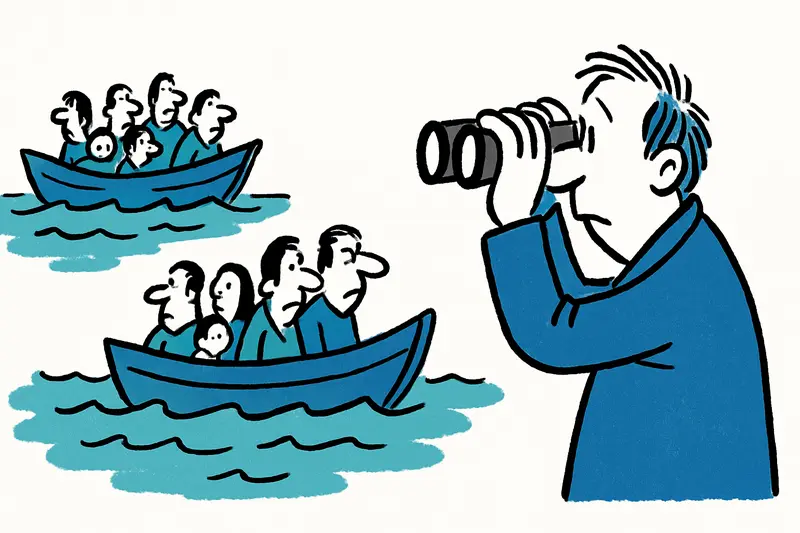
In recent days a relief organization reported the loss of contact with three small boats that had departed the Algerian coast heading for the Balearic Islands. According to the available information, there are concrete passenger and vessel details for the three incidents: a total of 81 people were said to be on board, including two babies. Two of the boats set off on Sunday; the third remained missing after departing on Tuesday. According to preliminary reports, most of the passengers came from Somalia, and one person from Sudan. This follows shifts in recent arrivals discussed in New surge of boat migrants: 122 people rescued in one day off the Balearic Islands.
At the same time, official counts show that since Monday more than 400 people arriving on around two dozen boats have reached the islands. The coexistence of these figures makes the problem visible: many arrivals, but also gaps in spotting and rescuing people at sea. This contrast is examined in 18 People Missing off Mallorca — A Call to Politics and Society.
Critical analysis: At sea many things do not work like clockwork. Search and rescue is a puzzle of satellite images, radio contacts, flight hours for search aircraft and patrols at sea. When engines fail, phone batteries die or signals do not reach responders, the chance of finding a small wooden boat in a square kilometre of the Mediterranean shrinks. The proximity to the Algerian coast, where many crossings begin, also creates a transnational responsibility that can fall into a grey zone between national coast guards, EU operations and civil rescue organisations.
What is missing from the public debate: The discussion often focuses on numbers — arrivals, arrests, deportations — and less on the technical and logistical weaknesses that delay rescue operations. Little is reported about the quality checks of distress reports, available aircraft hours for search flights or agreements with the Algerian coast guard. The situation of infants and small children also remains a side note, even though hypothermia and dehydration can quickly become life-threatening for such young children.
An everyday scene from Palma: In the early morning, when the garbage collection on Passeig Mallorca keeps its rhythm and baristas are still heating up the espresso machines, naval patrols and fishing boats glide past each other in the harbour. On the water the sound of an outboard motor is as familiar as the cries of seagulls — and yet this very environment is vulnerable to uncertainties when people in overcrowded boats look out to the open sea and hope for help; local chronicles of recent nights, such as Six boats, 75 people: When the nights on the coasts grow denser, show these tensions.
Concrete solutions that would help here and now: More systematic aerial surveillance with clearly regulated coordinate handovers to SAR units. A regional 24/7 crisis centre for the Balearics that links NGO reports directly with satellite and radar monitoring data. Standardised quick checks for vulnerable groups (infants, pregnant women, elderly people) directly on board or during rapid disembarkations. Cooperation with mobile phone providers and NGO hotlines that can prioritise and triangulate remaining phone numbers. Also: a binding agreement with departure countries to clarify departure locations and conduct prevention work on site; financial support for simple battery-powered emergency beacons that transmit far better signals at sea than ordinary mobile phones.
Furthermore, island society must be ready to demand transparent figures and procedures: Who coordinates the search, with what resources, and who provides first medical care when people are recovered? Without this transparency the discussion remains in the fog. Past incidents, including cases described in Two Dead on Balearic Coasts: When the Sea Withholds Answers, underscore why.
A practical example: If a platform were created that brought together NGO tips, migrants' phone numbers, weather data and aerial imagery in real time, search areas could be narrowed. Such technical integration costs money, but it saves time — and thus lives.
Conclusion: Three missing boats are not an abstract problem for bureaucratic files but a warning light for the entire rescue system around the Balearics. It is about better linking of information, targeted surveillance resources and concrete protection measures for the most vulnerable on board — especially the small children. Mallorca cannot just be a bystander. Those who walk along the coast hear the sea and feel its closeness. And those who look must also act.
Frequently asked questions
Why do small boats still go missing on the way to Mallorca?
Who searches for missing boats in the Balearic Sea?
How many people were believed to be on the missing boats heading for the Balearic Islands?
Why is it so hard to rescue boats quickly near Mallorca?
What happened to arrivals off Mallorca and the Balearic Islands this week?
What makes babies and young children especially vulnerable on migrant boats?
What is Palma’s role when boats are reported missing near Mallorca?
What practical improvements could help save lives on the route to Mallorca?
Similar News
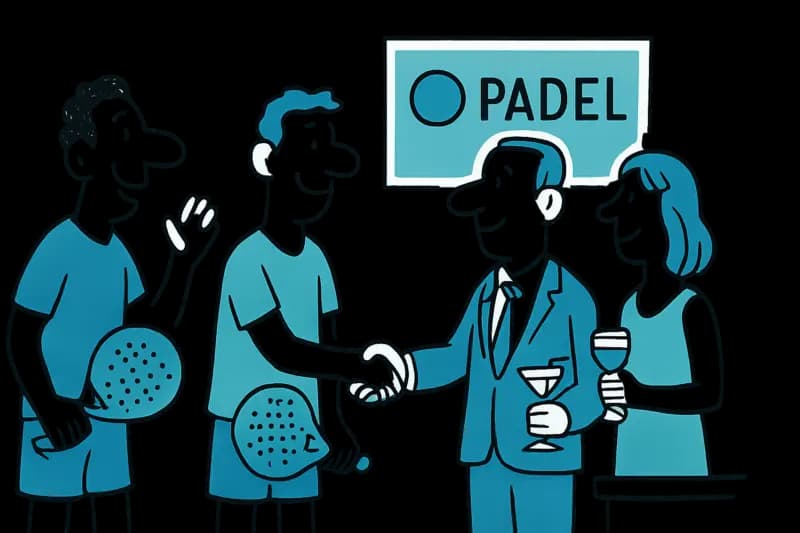
Bendinat as a meeting place: Padel Cup brings together nearly 120 players
Three days of padel at the Bendinat Urban Country Club: organized by El Económico and Borbalán, with around 120 particip...
Large-scale Anti-Tourism Graffiti at Cala Mendia: Protest or Vandalism?
On the morning walkers discovered an approximately 50-meter-long slogan against tourism on the wall above Cala Mendia. W...
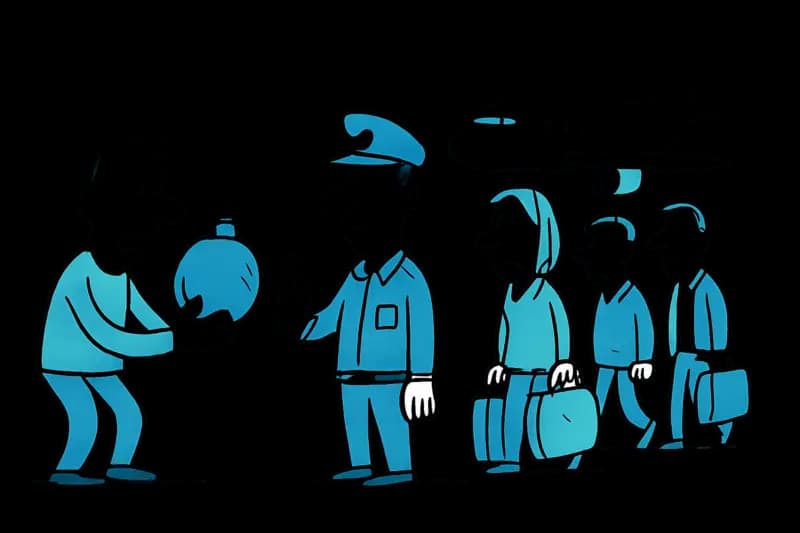
Bomb threat before Jet2 flight in Tenerife: A reality check for security protocols
A passenger reported a bomb in luggage shortly before departure in Tenerife. Evacuation, baggage checks, delays — and ma...
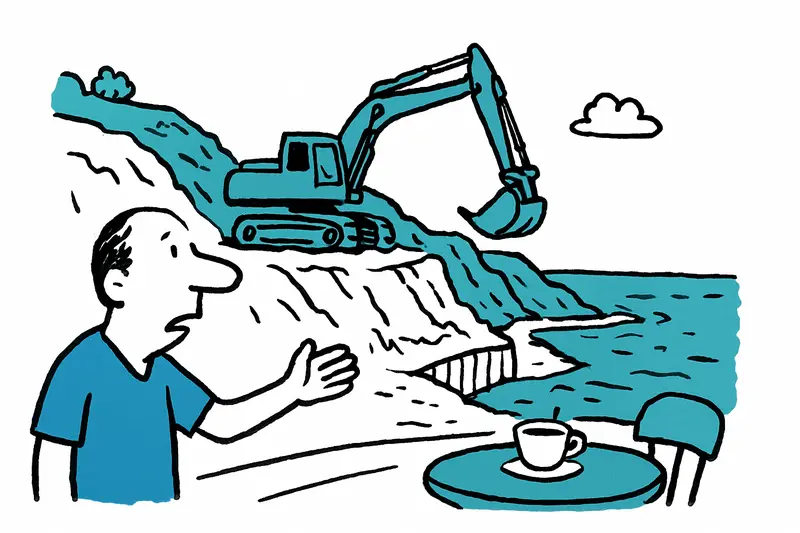
Who is stripping Mallorca's coast bare? Why entire slopes are being removed for villas
On Mallorca steep slopes are again being removed to make way for luxury construction sites. Who bears the responsibility...

Robber Falls While Fleeing in Sant Agustí: Who Takes Responsibility?
During a purse-snatching in Sant Agustí, a non-commissioned officer chased the suspect; the man jumped from a bridge and...
More to explore
Discover more interesting content

Can Cap de Bou

Townhouse Lleo 72
