
Drug seizure in Santa Catalina: 116 plants, revolver and illegal electricity connection
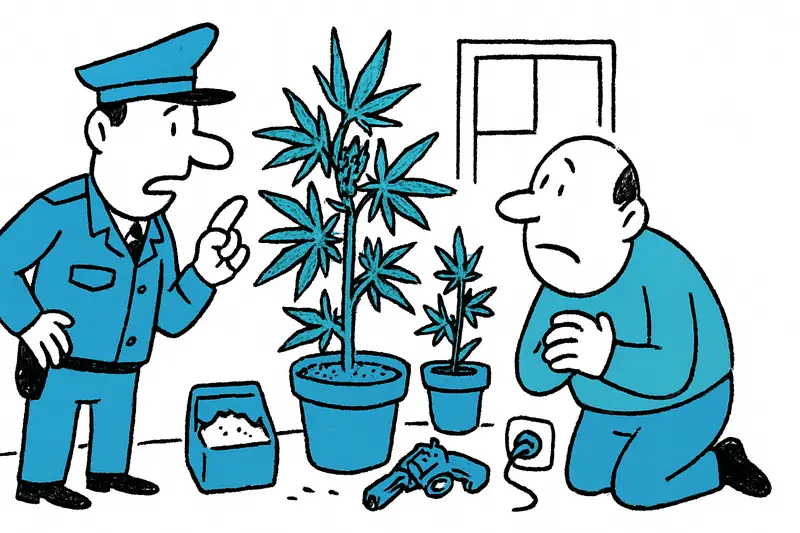
In an apartment in the popular Santa Catalina district, the National Police discovered an indoor grow with 116 marijuana plants, around 25 grams of white powder, a revolver and an illegal electricity connection. The arrest of the suspect raises questions about oversight of rental properties, public safety and preventive measures.
Drug seizure in Santa Catalina: 116 plants, revolver and illegal electricity connection
Central question: How could cultivation, a weapon and an illegal electricity connection remain undetected in the middle of the neighborhood?
In an apartment in the Santa Catalina district, officers of the National Police secured a marijuana grow with 116 plants, about 25 grams of a white powder and a revolver. According to investigators, a narcotics unit had been monitoring the case following tips (as in Quiet raid in Palma: Arrest after neighborhood tips — and what's still missing); prolonged surveillance and the strong smell confirmed the suspicions. With judicial authorization the apartment was searched and the suspected operator was arrested. The utility company discovered an illegal connection – adding an electricity theft case to the file.
It reads like a headline, but it is everyday life in a neighborhood that wakes to the clatter of the market and evenings full of slamming doors, similar to other incidents reported in the region, such as Fire in Moscari Uncovers Professional Marijuana Cultivation and Weapons Arsenal. At the plaza, where cafés place their chairs outside, neighbors are now discussing how close crime and ordinary residential life can be. A resident who likes to visit the fish market on Sundays said the smell is often hard to miss – but smell alone rarely leads to immediate action.
Critical analysis: The case reveals several system weaknesses. First: indoor grows move drug production into residential areas, where routine police patrols and neighbors have difficulty distinguishing them. Second: illegal electrical installations are not only fraud but a serious fire risk – overheated wiring and improvised distributions endanger neighbors and first responders. Third: the presence of a firearm underlines that this is not only about consumption but may involve organized structures, as with larger trafficking investigations like 675 Kilos of Cocaine: What the Find Means for Palma, Inca and Binissalem.
What is often missing from public debate is the question of responsibility and prevention: who monitors vacant apartments, short-term rentals or owners who do not regularly inspect their properties? Why is there not closer cooperation between utilities and municipalities to detect unusual consumption spikes more quickly? And how do we reach neighborhoods without destroying trust through constant surveillance?
Everyday scene in Mallorca: imagine a Wednesday morning, the alleys of Santa Catalina fill with delivery bikes, a baker arranges croissants on the counter, a retiree’s dog pulls on the leash. Among all this, the sometimes sweet, then pungent smell of grow lights – barely visible, but noticeable to those who live here. This is the setting in which such grows appear: not in abandoned industrial halls, but between small shops and family flats.
Concrete proposals: 1) Better data exchange: utilities should be able to report anomalies anonymously to a municipal task force. 2) Mandatory checks for landlords: regular inspections or electronic meter readings could reveal misuse earlier. 3) Rapid response teams: police, municipal electricians and fire services should collaborate when there is suspicion of fire or other dangers. 4) Strengthen anonymous reporting channels: use the existing police email (antidroga@policia.es) but supplement it with a local hotline and a simple online reporting option for citizens. 5) Education: neighborhood events about the risks of illegal installations and information on local contacts.
These measures are neither expensive nor revolutionary – they do require administration, utilities and police to work together pragmatically and for residents not to feel left alone. Otherwise Santa Catalina will remain a place where dangerous tricks hide behind pretty facades.
Conclusion: The seizure of 116 plants, white powder and a weapon in a residential flat is a warning sign. Not only must perpetrators be held accountable; we need clear rules, better inspections and simple reporting channels for residents. Santa Catalina must not become a hidden greenhouse for illegal business – and that starts with preventive, locally anchored policies.
Frequently asked questions
Why do indoor marijuana grows in Mallorca often go unnoticed in apartment buildings?
Is an illegal electricity connection in a Mallorca flat dangerous?
What signs can point to a possible drug grow in a Mallorca neighbourhood?
Can neighbours in Mallorca report suspected drug activity anonymously?
What should landlords in Mallorca check to avoid illegal use of a flat?
Is Santa Catalina in Palma safe for everyday life despite this drug seizure?
What happens when police in Mallorca search a flat suspected of drug production?
Why is a firearm in a Mallorca drug case taken so seriously?
Similar News

High heel slips, car accelerates: accident on Camí de Son Hugo
A woman lost a high-heeled shoe on the forecourt of the sports facility at Camí de Son Hugo. The car accelerated, mounte...

Phone Scam: How Two Hotel Employees at Playa de Palma Lost Thousands of Euros
One morning in September, two reception employees at Playa de Palma were pressured by alleged alarm-company staff — in t...

When the Wallet Becomes a Danger: Attack in Peguera and Lessons for Mallorca
In Peguera, two women are said to have stolen the wallet from a 75-year-old German couple. When the victim intervened, t...
Plata stays Plata: Young people take over, Llonguets remain
A small bar on Carrer de l'Argenteria will continue: Tolo Serra hands the place over to young Mallorcans at the end of t...
Unnoticed in the Luggage Compartment: How a Boy Traveled More Than 100 Kilometers in a Team Bus
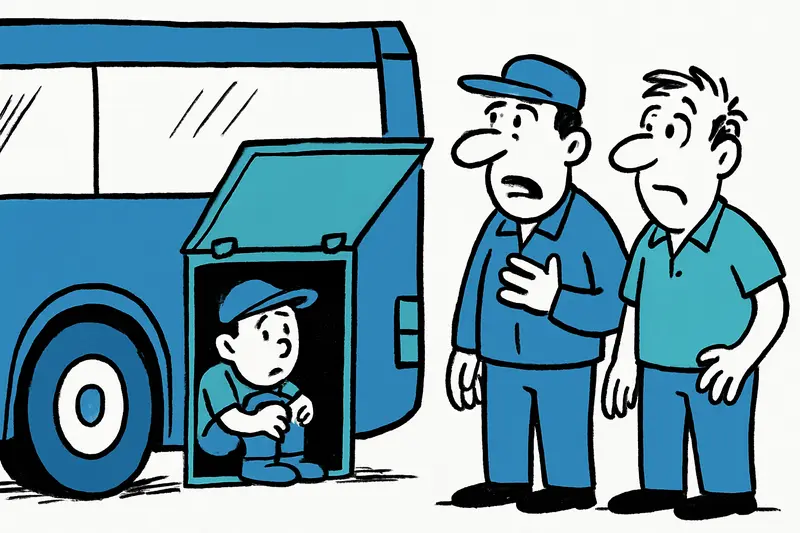
A minor traveled in the undercarriage of a team bus for more than 100 kilometers until his cries for help were heard. A ...
More to explore
Discover more interesting content

Can Cap de Bou

Townhouse Lleo 72
