
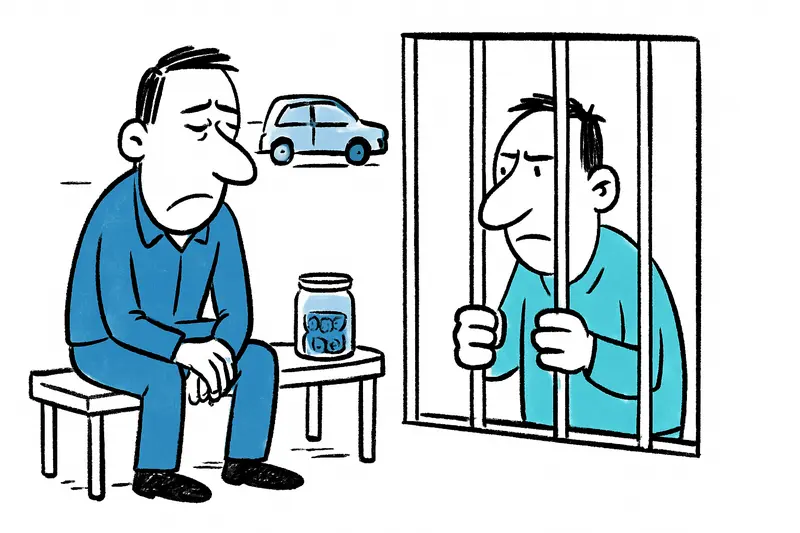
Drugs in a glass, escape from a car: Two suspects held in custody
Drugs in a glass, escape from a car: Two suspects held in custody
In Manacor, two men are in pre-trial detention after a woman on May 1st was apparently drugged and sexually assaulted. Our analysis asks: What is missing to make nights out on the island safer?
Drugs in a glass, escape from a car: Two suspects held in custody
What the few confirmed facts leave unclear and which questions we must now ask in Mallorca
On May 1, an evening in Manacor apparently ended traumatically for a woman: she was alone in a bar, left her drink unattended for a short time and then developed symptoms that later forced her to flee from a car. According to the National Police, two men were arrested and brought before the examining magistrate; he ordered pre-trial detention, echoing other incidents such as the Traffic stop in Palma: 171 pills, two arrests – how safe are our streets?. Based on the facts known so far, nothing more can be said reliably — and that is part of the problem.
Key question: How can an island that depends on tourism and lively nights close dangerous gaps in its nightlife without putting people on edge?
Critical analysis: Official information is sparse. We know the time and the rough sequence, but not the details that matter for prevention: which bar exactly, how much time passed between drinking and the onset of symptoms, whether there are witnesses or surveillance videos, and whether the alleged administration of a substance into the glass can be proven. Instead of clarity there is silence — understandable for tactical reasons in an ongoing investigation, but frustrating for the public. Similar uncertainties arose after incidents like the Drugs at the wheel in Cala Ratjada: One crash, many questions. Without concrete information it is difficult for operators, residents and visitors to react in a targeted way.
What is missing from the debate: Too often the discussion revolves around blame and sensationalism. We hear too little about structural prevention. What role do bar layouts, staff training, lighting conditions, sightlines at counters and tables, or the option to cover drinks play? Equally rarely is it discussed how quickly medical tests can be performed, what laboratory capacities exist on Mallorca, and how victims are supported — both emotionally and legally.
An everyday scene from Manacor helps to understand the issue: on a warm evening in Carrer Gran people sit on the wooden benches of a tapas bar, guitar music mixes with the sound of passing mopeds. Waitresses juggle plates, the air smells of roasted peppers. Someone looking for a quiet moment puts their glass down to make a brief phone call. It is exactly those inattentive seconds that can become dangerous if there is no awareness and no simple protective measures in place.
Concrete solutions: The island needs pragmatic measures that take effect immediately and work in the long term. First: introduce standards in hospitality — short trainings for staff, visible signs about safe drinks and a simple checklist for handling suspicious situations. Second: technical aids such as sealable cup lids, freshness seals for opened bottles or — where possible — well-placed surveillance cameras that cover outdoor areas and entrances without violating privacy. Third: a transparent reporting and support chain for victims, from first aid offered in the bar to an anonymous emergency line and medical and psychosocial support in confidential settings. Fourth: an information campaign in several languages that explains to guests how to secure drinks, ask for help and report incidents.
Additionally: Authorities should disclose how rapid toxicology tests are organized and what steps follow in the criminal process. That builds trust. For local politics it is relevant to consider whether increased nighttime presence by police or municipal prevention officers on nightlife streets makes sense — without destroying the atmosphere, as recent custody transfer issues like the Escape in Mallorca: Breakout from Police Vehicle Raises Questions in Llucmajor and Algaida show. Pilot projects in busy areas could help find practical models.
Particularly important is the view on responsibilities: operators have a duty to protect their guests, the police are responsible for criminal investigations, and health services provide medical care. If any of these pillars is missing, victims fall into gaps without help.
What we must not do now: spread panic or make premature judgments. What we must do: create structures that prevent an unobserved moment from becoming a catastrophe. In Mallorca, where evenings outdoors are part of the island's lifestyle, safety must not become a luxury.
A concise conclusion: The arrests in Manacor indicate that investigations are underway, but they must not be the end of the discussion. The island needs clear, easy-to-implement rules for hospitality, better information for guests and personalized support for victims. Otherwise the risk for individuals remains high — and trust in a safe island community fragile.
If you want to do something for your own safety now: never leave drinks unattended, stay with friends, speak to bar staff if something seems off, and report incidents. Small actions can provide big protection.
Frequently asked questions
What should I do in Mallorca if I think my drink has been tampered with?
How can I stay safe in Mallorca nightlife bars and clubs?
Are drink spiking cases in Mallorca taken seriously by the police?
What signs might suggest someone in Mallorca was given something in a drink?
What safety measures could help prevent drink tampering in Mallorca bars?
Why do people leave drinks unattended in Mallorca nightlife venues?
What support is available in Mallorca after a suspected drink spiking incident?
Is Manacor in Mallorca involved in a recent suspected drink spiking case?
Similar News
Rental Car Theft in El Arenal: What This Incident Reveals About Our Gaps
A teenager steals a running rental car in El Arenal, flees on foot, climbs over walls and is caught by the Guardia Civil...
Red Rope in Palma's Library: What Helps Against Selfie Tourism — and What's Missing
Palma's city library cordoned off an area with a red rope to keep selfie tourism away from reading and working activitie...
Fort San Carlos: Museum, Harbor Dispute — and a Conflict That Demands Answers
The military museum at Fort San Carlos sits right on Palma's harbor, with unexpectedly quiet rooms filled with cannons a...
Old Town Under Pressure: When a Doorway Becomes a Sleeping and Shower Place
For months a woman has been living with a parasol, a clothes rack and personal belongings next to the social welfare off...
When Shopping Weighs Heavier: Mallorca Demands a Tax Pause on Food and Fuel
Rising prices are putting pressure on households and agriculture. The Balearic Islands are calling for temporary tax rel...
More to explore
Discover more interesting content

Can Cap de Bou

Townhouse Lleo 72
