
Drunk driver crash on the Soller train: Why a safety gap remains
Drunk driver crash on the Soller train: Why a safety gap remains
A minibus collided with the historic train to Soller at Son Hugo. The result: heavy body damage, toppled traffic lights and a driver with 0.50 mg/l on the breath test. Time for a sober look at causes and solutions.
Drunk driver crash on the Soller train: Why a safety gap remains
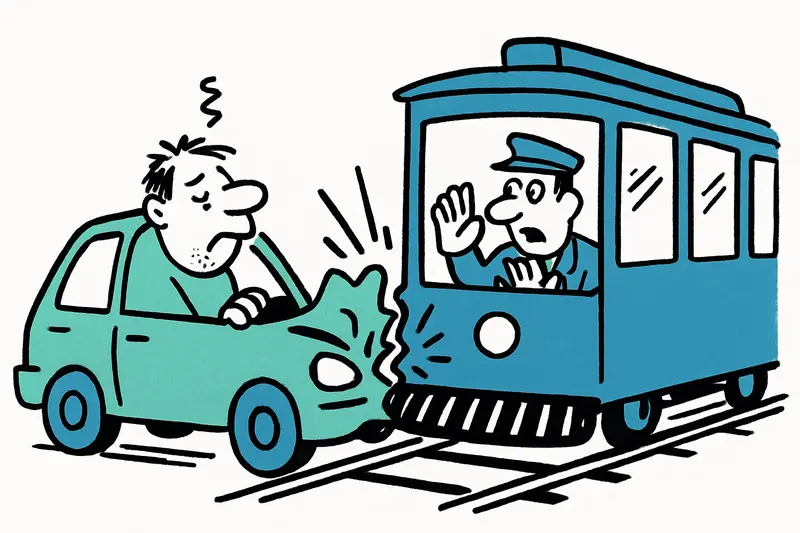
In the early evening, when the streetlights in Palma begin to flicker and traffic between the sports center and the city center becomes sluggish, what many consider a nightmare happened: a minibus crossed the tracks at the corner of Avinguda Tomàs Villanueva i Cortès / Camí de Son Hugo and collided with the historic train bound for Soller. The scene: torn metal, knocked-over traffic lights, bystanders filming on their phones, and the smell of oil and brakes in the air.
Main question
How could a vehicle under the influence of alcohol (Nighttime Accident in Sóller: Alcohol, No Driver's License — How the Situation Escalated; the breath test showed 0.50 mg/l) get so far into a danger zone — and what is missing in our everyday life to prevent this from happening again?
Initial observations are fairly clear: the train, a piece of living island history on rails, was dragged several meters before the momentum came to a stop. According to eyewitnesses, the front of the minibus struck the train on the side and also damaged several traffic lights in the roundabout area near the sports center. Emergency services and the local police were quickly on the scene; fortunately, there appear to have been no serious injuries. But: damage to infrastructure and the psychological strain on residents and passengers are significant.
Critical analysis: three problem areas are immediately apparent. First, the traffic infrastructure at the mentioned intersection: this is not the first time cars and commercial vehicles have entered the track area (see Nighttime Accident in Son Oliva: More Than Just a Drunk Driver). Second, the question of checks and prevention — a breath value of 0.50 mg/l is alarming. Third, the behaviour of individual road users who apparently do not pay enough attention to or underestimate intersections and traffic lights.
What is often missing in public debate: the focus quickly shifts to individual fates — the drunk driver, the damaged train — and less to the system behind it. What are the actual conditions of signage, sightlines, physical protections (fences, bollards), lighting and road markings in critical sections? Who is responsible for regular risk analysis in sections where historic rail and road traffic run so closely together (see Head-on Crash on the Ma-11: Three Injured — and the Uncomfortable Question of Greater Safety)?
An everyday scene from Palma for context: on a normal Thursday evening you can hear cyclists ringing bells on Passeig Mallorca, the clatter of tram tracks further out, and sometimes a bus that is running late. Pedestrians cross hurriedly because they are rushing to training at the sports center. In this chaos, a moment of inattention — or alcohol at the wheel — is enough for a disastrous crash.
Concrete solutions
The island needs tangible measures, not mere appeals. Suggestions that could be implemented locally:
Physical barriers: small bollards or fold-down barriers at critical points to prevent vehicles from driving onto the tracks, without destroying the historic character.
Improved visibility and markings: reflective elements, additional street lighting and more conspicuous road markings before track crossings — especially in the evenings and at night, these are simple, cost-effective improvements.
Targeted checks: regular alcohol and drug checks at known problem spots; mobile checkpoints during evening hours.
On-board technology: sensors at level crossings that detect vehicles in the danger zone and warn the train driver — such warning chains reduce reaction times.
Awareness and local campaigns: not just brochures, but visible actions in sports centers, bars and driving schools: short workshops, signs with clear consequences for drink-driving, cooperation with taxi and bus companies.
These measures cost money and nerve, but they are pragmatic. The island administration, transport operators and municipalities must work more closely together; responsibilities must not be lost in bureaucratic drawers.
Pointed conclusion
The crash at Son Hugo is not a singular, unavoidable event. It is the result of a chain of insufficient infrastructure, lack of protection at critical track points and the well-known problem of alcohol at the wheel. Those who value the historic Soller railway must also be willing to make its encounters with road traffic safer. Otherwise, more than metal will remain after each collision: people's trust in the safety of our roads will be damaged.
On the ground this means: keep eyes open, clear checks and visible protective devices — that is how everyday life in Palma becomes calmer, and the shocking images of knocked-over traffic lights and battered carriages will become rarer.
Frequently asked questions
What happened in the train crash near Son Hugo in Palma?
Was alcohol involved in the Mallorca train collision near Palma?
Why is the Sóller train crossing in Palma considered a safety risk?
What safety measures could prevent train and car crashes in Mallorca?
Is the historic Sóller train still safe to use after the crash in Palma?
What should drivers in Palma watch out for near the Sóller train tracks?
What time of day are Palma road crossings like Son Hugo more dangerous?
What does the Son Hugo crash say about road safety in Mallorca?
Similar News
Haute Nuit in Puerto Portals: Fashion, Art and Indulgence by the Water
On October 2 the Lobster Club in Puerto Portals will be transformed into a stage for curated fashion, art and culinary e...
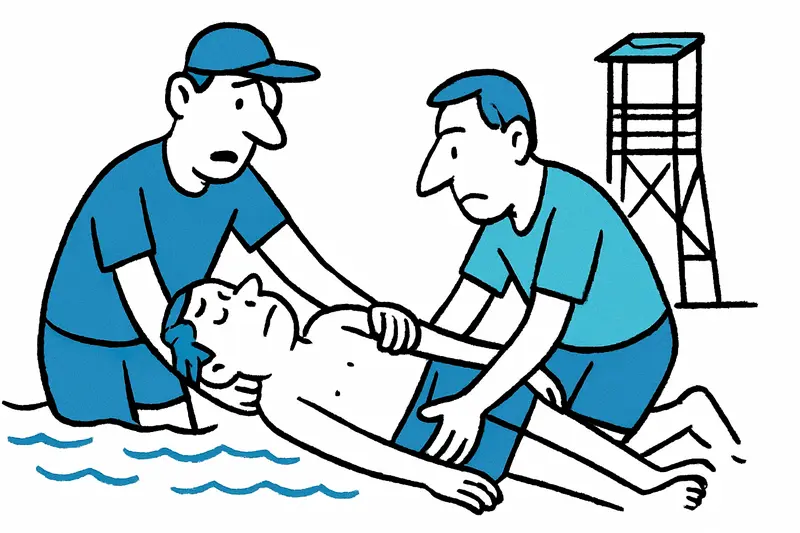
Magaluf: Watchtower Alarm – Lifeguards Pull Unconscious Beachgoer from the Water
After a drama in the late afternoon, two lifeguards at Magaluf beach rescued an unconscious 44-year-old man. He was stab...
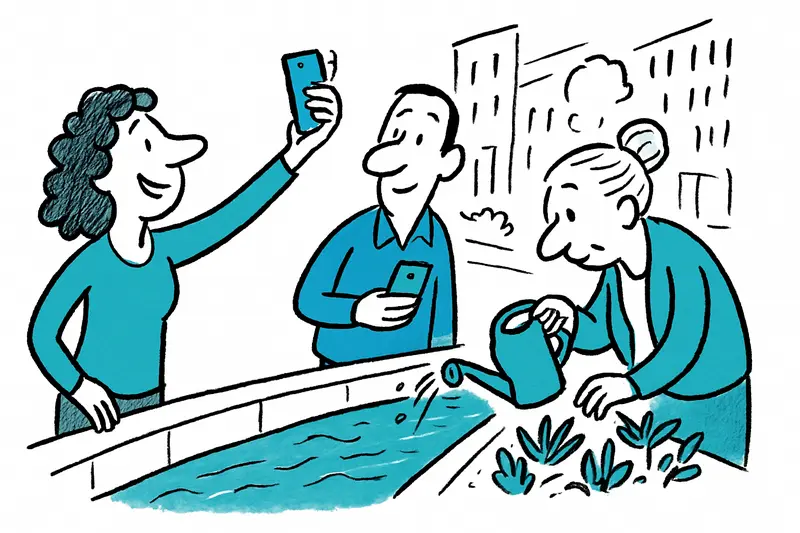
Turquoise in the City: How dangerous is the color play of the Sa Riera?
The Sa Riera in Palma suddenly turned turquoise — a pretty motif, but behind the effect lies a discharge of saline waste...

Jeckliner at Sunnesching: Cologne spirit sets sail from Palma
In September 2027 the Mein Schiff 2 briefly becomes a floating carnival stage: four days with Cologne bands, comedy and ...
Finally Home: Mike and Leyla Heiter Buy Villa with Sea View in Mallorca
The reality TV couple Mike and Leyla Heiter have bought a house in Mallorca with a roof terrace and sea view. An Instagr...
More to explore
Discover more interesting content

Can Cap de Bou

Townhouse Lleo 72
