
Drunk Driver, Unsecured Dog: Accident in Alcúdia Raises Road Safety Questions
Drunk Driver, Unsecured Dog: Accident in Alcúdia Raises Road Safety Questions
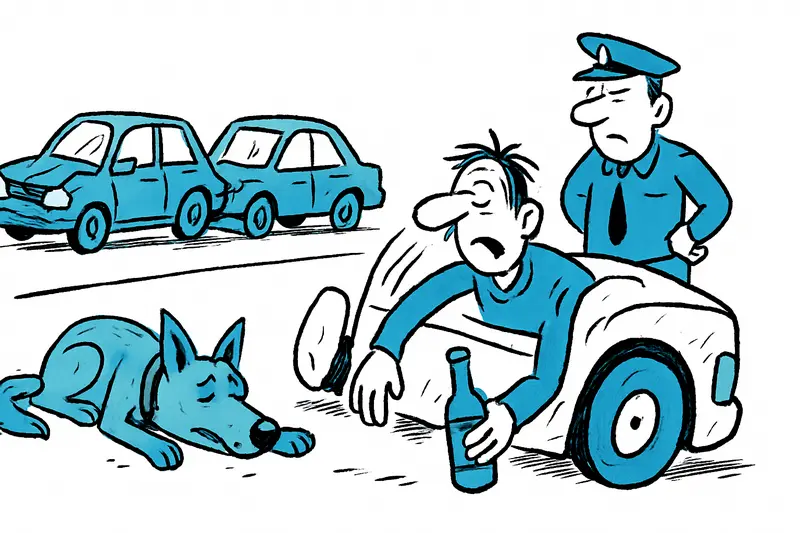
A drunk driver crashed into three parked cars in Alcúdia in the morning. The man was uninjured; his German shepherd suffered injuries to its muzzle and paw. What is missing from the discussion?
Drunk Driver, Unsecured Dog: Accident in Alcúdia Raises Road Safety Questions
Early morning, three wrecked cars, an injured dog — and a positive alcohol test.
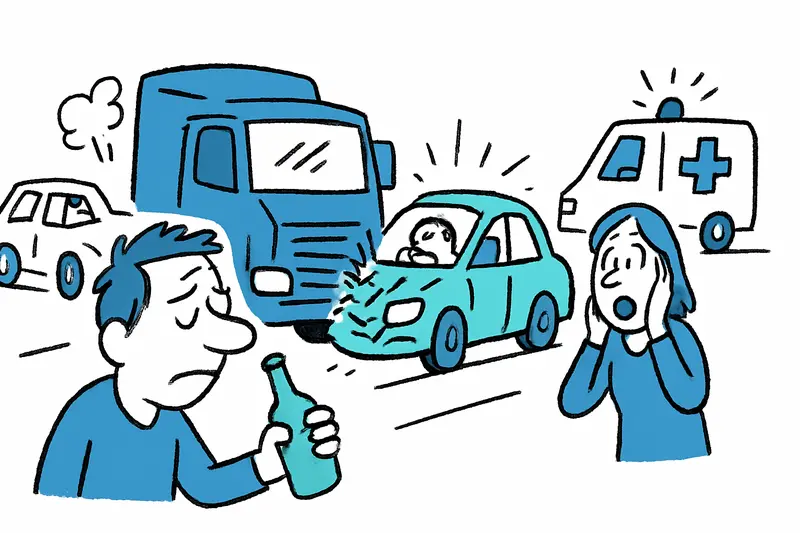
At around 6:20 a.m. on Wednesday, a driver lost control of his vehicle on the road toward Playa de Muro and collided with three cars parked at the roadside in Alcúdia. The vehicle rolled onto its side. The driver walked away shaken but uninjured; his German shepherd, which had been riding on the seat, suffered injuries to its muzzle and paw. A subsequent breath test returned a positive result. The Alcúdia local police have opened an investigation for an alleged traffic offense and secured the accident scene, as discussed in Alcúdia: Who Was Really at the Wheel? A Reality Check on Alcohol, Responsibility and Investigations.
Key question: Why do accidents on Mallorca repeatedly involve a combination of alcohol, improperly secured animals and early-morning traffic — and what must change to prevent people and animals from becoming a danger?
The facts are clear: the collision involved parked cars, the vehicle flipped onto its side, traffic toward Playa de Muro was diverted via a service lane and a tow truck recovered the damaged car. The local police also point out that animals must be properly restrained in vehicles; failure to do so can result in a fine.
Analysis shows that driving under the influence remains a recurring problem, especially in the early morning hours when roads appear emptier and drivers are tempted to head home after a night out, as in Fatal head-on crash near Alcúdia: What needs to change on the MA-3460?. Added to that is inattention in transporting animals. A dog riding unsecured on a seat can endanger not only itself but also people in the vehicle in the event of an accident.
What often gets too little attention in public debate is the link between prevention, enforcement and practical everyday help. Police advice is important but not sufficient when easily accessible information and practical services are lacking. For example, many drivers do not know which securing systems for dogs are suitable and legal; rental car companies and holiday rental hosts sometimes provide only sporadic information about road rules and responsibilities.
An early-morning walk through Alcúdia illustrates the point: street sweepers are already at work, the first ferry leaves the harbor, and on the access road to Playa de Muro you see delivery vehicles and individual cyclists. These everyday scenes show how quickly a single crash point can become a traffic jam, how improvised detours burden residents and tourists, and how an injured animal needs attention and rapid care — often before major media coverage begins.
Concrete solutions that are more than rhetoric:
1. More checks at key times: targeted alcohol controls in the early morning hours and on weekends, combined with spot traffic checks on access roads to beach areas.
2. Education and mandatory information: clear notices from car rental companies, hosts and booking platforms about the rules for transporting animals in vehicles — including a checklist for suitable harnesses, crates or partitions.
3. Easy access to animal aid: hotlines for veterinarians and first aid as well as mobile animal care following accidents could improve treatment for injured animals.
4. Parking planning and protection for parked vehicles: measures at popular beach access points to prevent parked cars from standing in narrow road sections, and improved lighting at critical spots.
5. Sanctions with a learning effect: in addition to fines, repeat offenders should be required to attend courses or receive information modules — not only as punishment but as prevention.
Conclusion: The accident in Alcúdia is more than an isolated incident and echoes previous coverage such as Fatal accident in Alcúdia: Who is responsible — and what needs to change?. It combines typical sources of error — driving under the influence, unsecured animals, early traffic pressure — and highlights what is missing in everyday life: clear, practical information for drivers, better timing of police presence during sensitive hours and simple aids for injured animals. Addressing these points protects not only parked cars but also the people and animals who start their day with us on Mallorca.
Frequently asked questions
What should I do if I suspect a drunk driver on Mallorca streets?
How should I restrain a dog in a car while traveling in Mallorca?
What early-morning road safety risks should Mallorca travelers watch for?
How can a crash near Alcúdia’s Playa de Muro affect traffic and parking?
What pet-travel information should Mallorca rental agencies provide?
What measures help protect parked cars near Mallorca’s popular beaches?
What kind of sanctions are recommended to deter repeat traffic offenses in Mallorca?
Why is practical information and everyday support crucial for preventing Mallorca road accidents?
Similar News
Hotel staff member in Alcúdia saves five-year-old boy after epileptic seizure
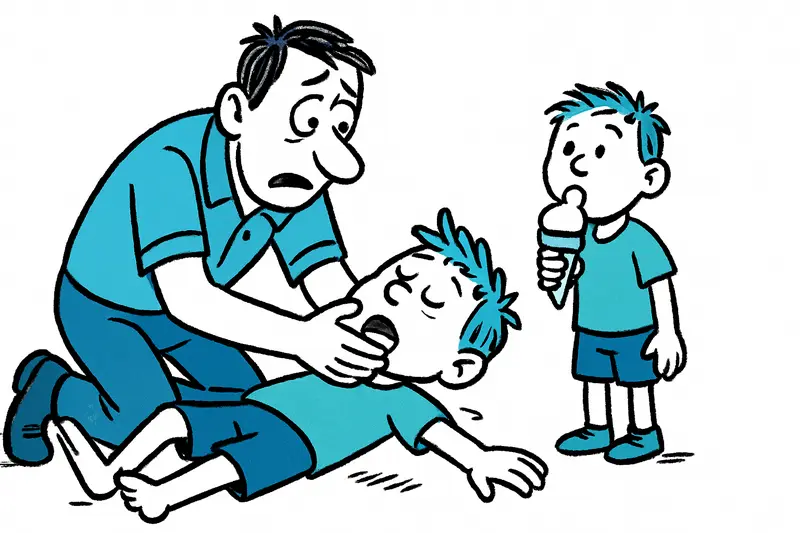
A head of security from Alcúdia reacted quickly, cleared a five-year-old guest's airway of vomit and kept him alive unti...
Calvià Presents First Binding Tourism Roadmap — A Reality Check
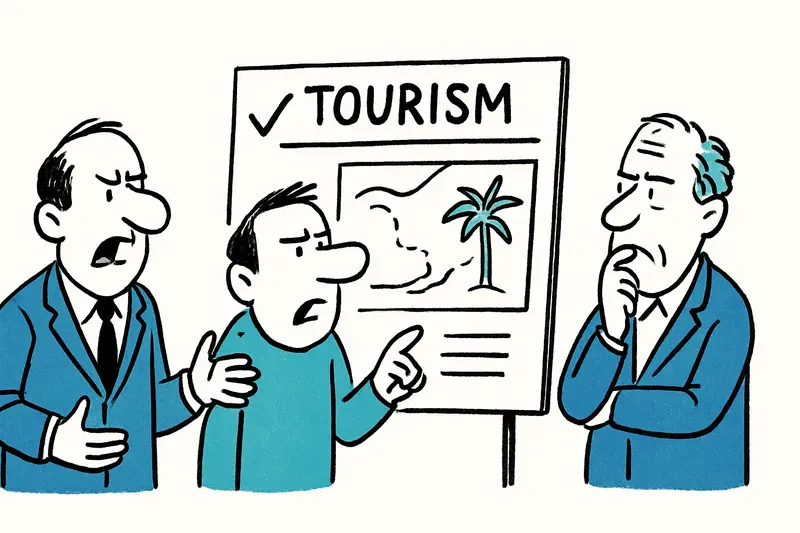
Calvià has, for the first time, adopted a strategic tourism plan for 2026–2030. A critical look at gaps, opportunities a...
Eagle Owl Astray: Seven Days in a Bauhaus Hall – Then the Return to the Night
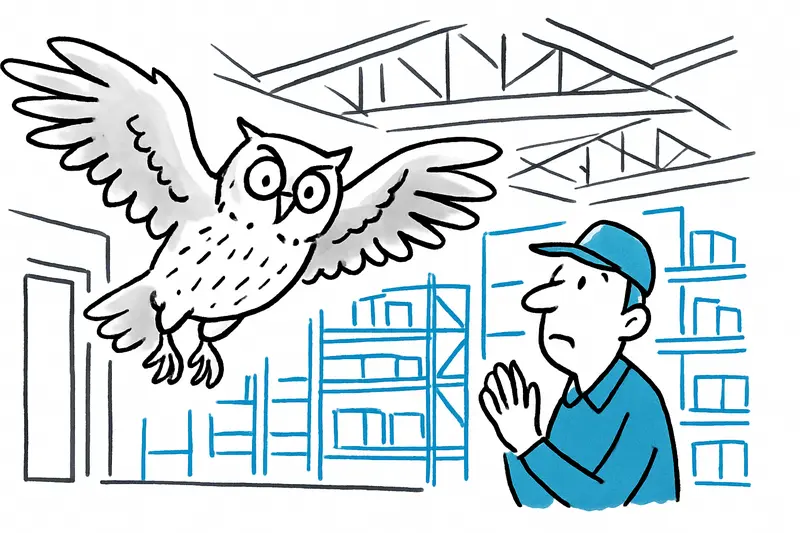
An eagle owl spent several days in the hall of a Bauhaus store in Marratxí. Animal rescuers observed, waited for the rig...
Morning pile-up on the Ma-13: Drunk truck driver injures 16 people
On the Ma-13 near Son Fuster a drunken tractor-trailer driver caused a rear-end collision and a chain reaction involving...

Expats Seeking Love: Dance, Sun and New Chances for the Heart in Mallorca
A new TV documentary follows people who have built lives abroad and now hope to bring love from Germany. On Mallorca, da...
More to explore
Discover more interesting content

Boat Tour with BBQ along Es Trenc Beach

Private transfer from Mallorca Airport (PMI) to Pollensa
